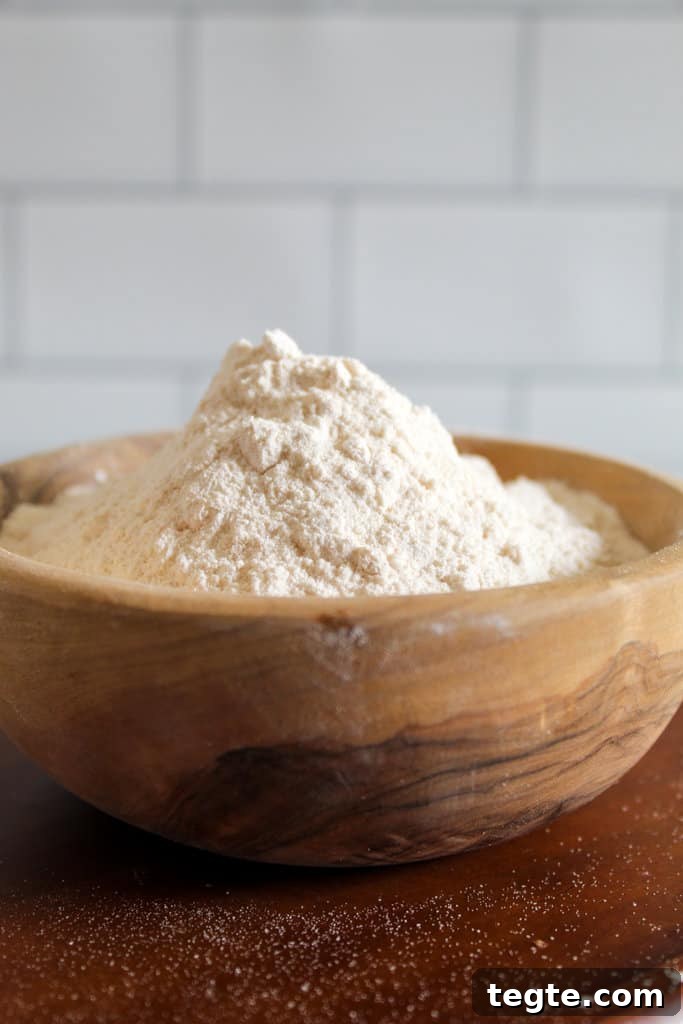
Cassava flour and tapioca starch both come from the cassava root, but they are not interchangeable. One provides structure and body; the other delivers stretch, chewiness, and thickening power. Using the wrong ingredient can quickly turn gluten-free bread gummy, make pancakes dense, or leave a sauce that never thickens properly.
Part of the confusion is labeling: tapioca starch is sometimes sold as “tapioca flour,” which can make it sound like the same thing as cassava flour. In most recipes, they perform very differently.
Table of Contents
This guide explains how cassava flour and tapioca starch differ, how each behaves in baking, when you can (and cannot) substitute them, and which works best for specific recipes.
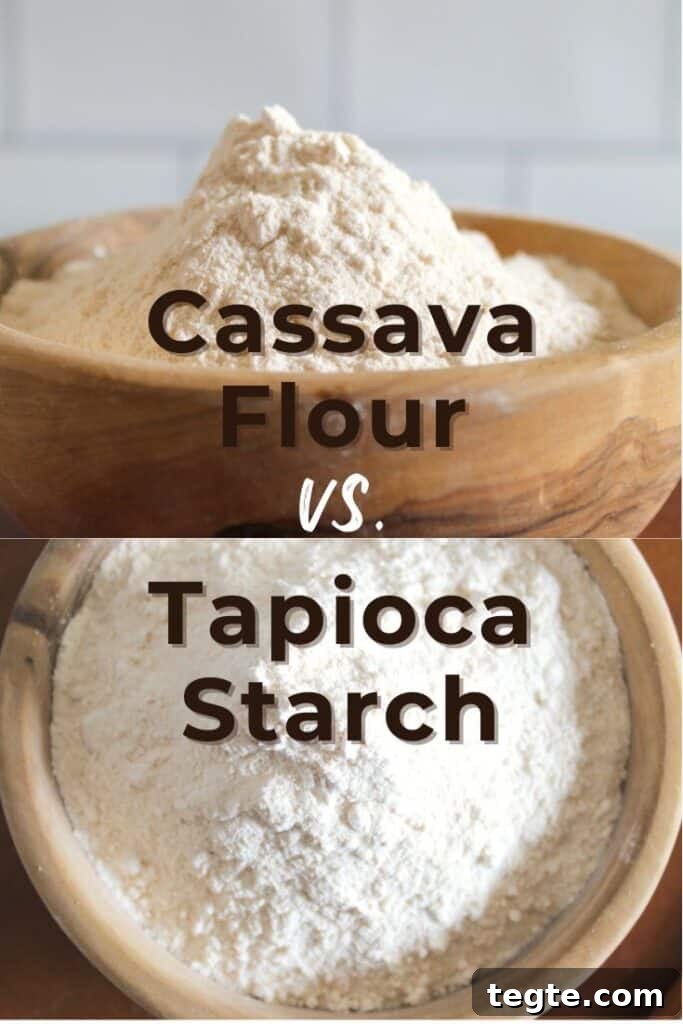
Is Tapioca Starch the Same as Cassava Flour?
Although both come from the cassava root, they are processed differently and serve distinct roles in baking.
Cassava flour is made from the whole root, including fiber and plant solids. Tapioca starch is extracted from the root and refined, removing most fiber. That difference in composition leads to contrasting textures and baking behavior.
Quick Differences at a Glance
- Cassava flour: whole cassava root, more fiber, more like a traditional flour.
- Tapioca starch: refined starch with most fiber removed, very light and silky.
- Cassava flour adds structure and body to baked goods.
- Tapioca starch adds chewiness, stretch, elasticity, and thickening power.
- They usually do not substitute for each other 1:1.
How Do They Affect Texture?
Cassava flour builds the foundation of a recipe by contributing bulk and structure—useful for breads, pancakes, tortillas, and other baked goods that need body. Tapioca starch improves softness and creates the stretchy, chewy textures prized in many gluten-free recipes. It also excels as a thickener for sauces, gravies, and pie fillings.
Can You Substitute One for the Other?
Because they serve different purposes, swapping them often yields disappointing results: dense, gummy, dry, or unstable baked goods. Unless a recipe gives specific substitution instructions, stick with the ingredient the recipe calls for.
If you enjoy baking with cassava flour, try gluten-free cassava flour pancakes for a soft, grain-free breakfast.
Cassava Flour vs Tapioca Starch Comparison Chart
This side-by-side comparison highlights where each ingredient performs best and why results change when they’re swapped.
| Feature | Cassava Flour | Tapioca Starch |
|---|---|---|
| Made From | Whole cassava root | Extracted cassava starch |
| Texture | Denser, slightly heavier | Light, silky, powdery |
| Fiber | Higher | Minimal |
| Flavor | Mild, slightly earthy | Neutral |
| Best For | Breads, pancakes, tortillas | Thickening, chewy textures, elasticity |
| Absorption | High | Low |
| Structure | Adds body and stability | Adds stretch and elasticity |
| Gluten-Free | Yes | Yes |
| Paleo-Friendly | Yes | Yes |
| Substitute 1:1? | No | No |
These contrasts become more obvious across different recipes: an ingredient perfect for tortillas or brownies may underperform in chewy breads, pizza crusts, or thickened fillings. Understanding each ingredient’s role is more useful than simply knowing its origin.
What Is Cassava Flour?
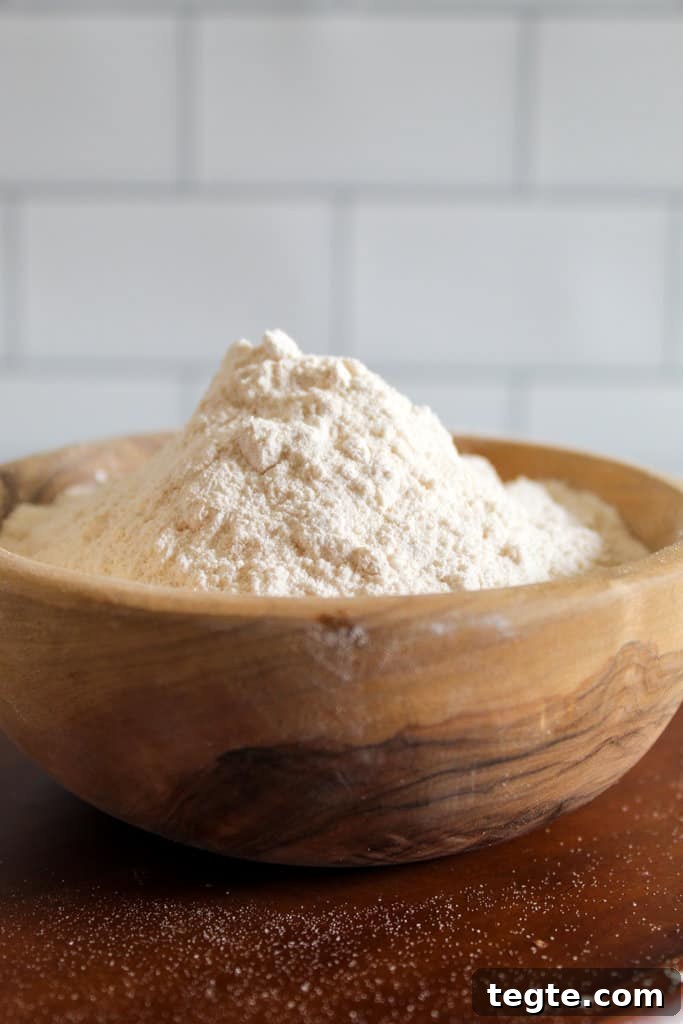
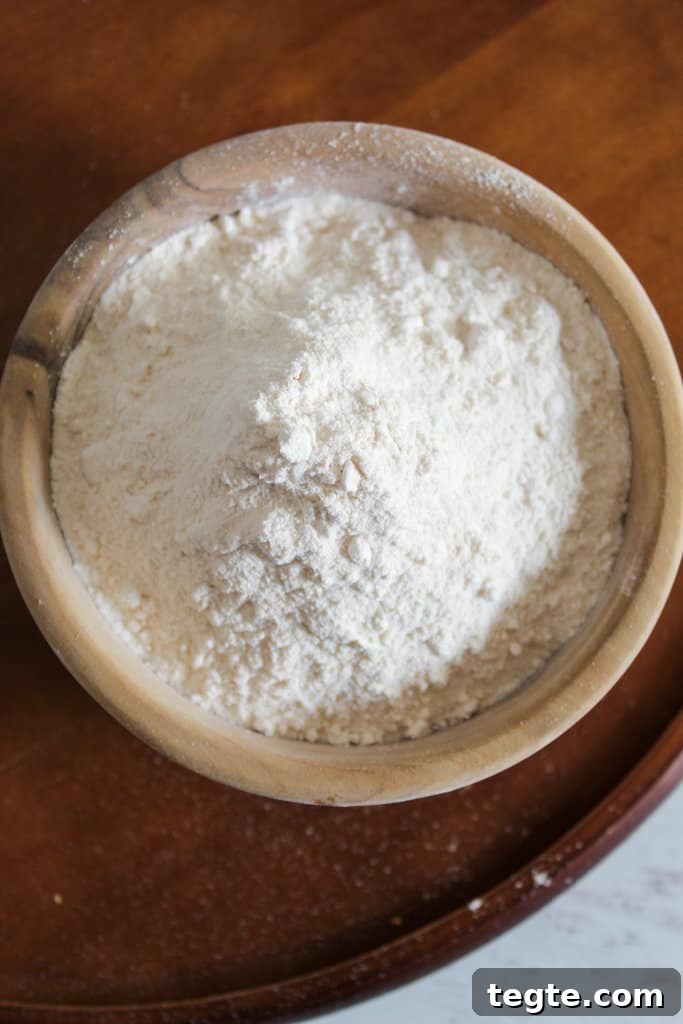
Cassava flour is made from the entire cassava root. Producers peel, dry, and finely grind the root into a soft flour that behaves more like traditional wheat flour than many other gluten-free alternatives.
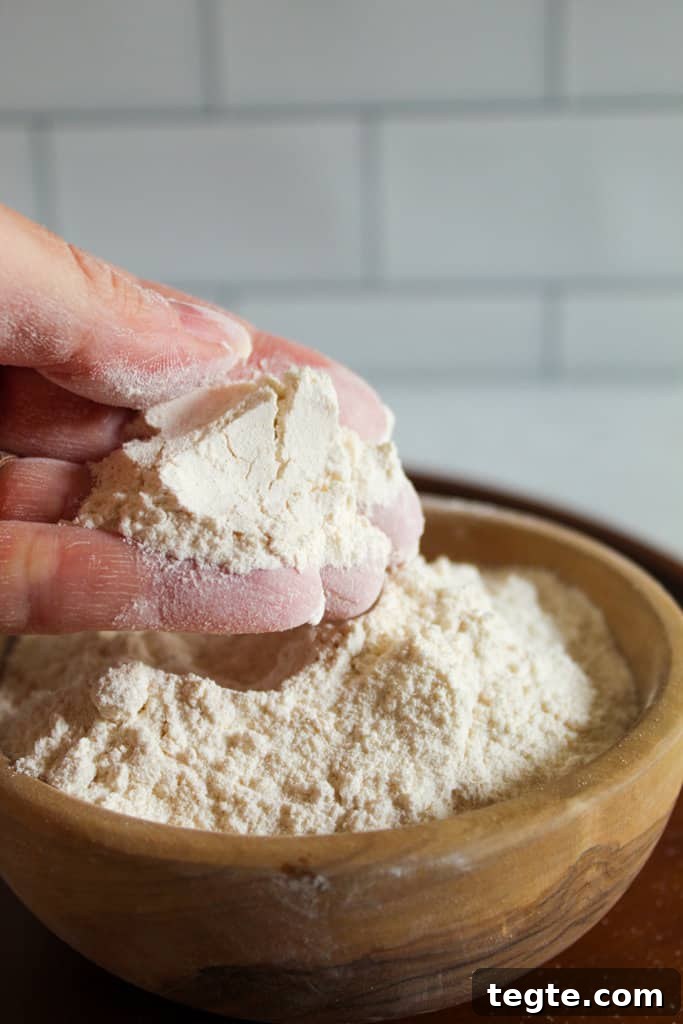
Its higher fiber content gives it a more substantial texture and helps create stronger structure in baked goods. The mild flavor works well in both sweet and savory dishes. Cassava flour also absorbs liquid efficiently, which helps produce baked goods with more body and stability—though using too much can make recipes heavy.
What Does Cassava Flour Do Well?
Cassava flour is ideal for recipes that need structure, softness, and flexibility without relying on gluten. It’s excellent for tortillas, flatbreads, pancakes, brownies, and many grain-free baked goods. It performs best where a dough-like texture and stability are desired.
What Is Tapioca Starch?
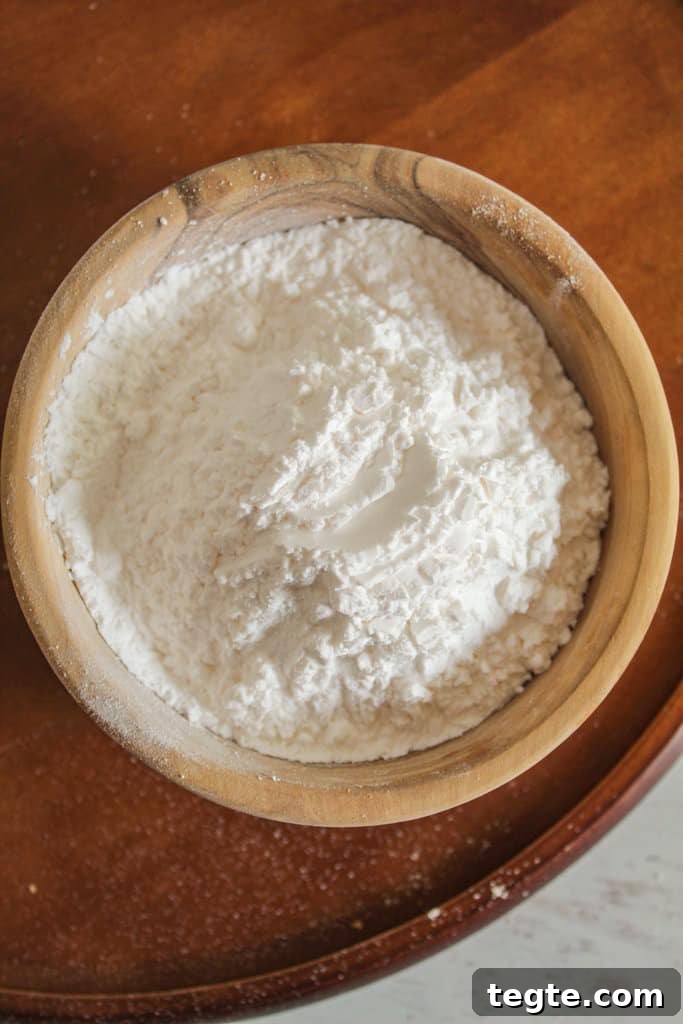
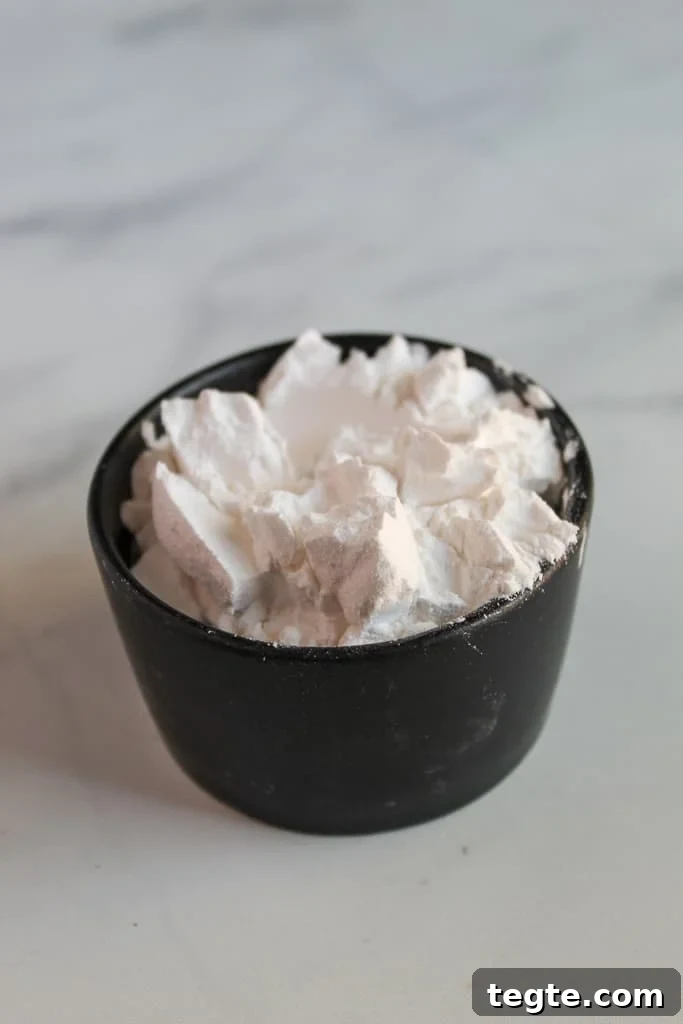
If cassava flour is about structure, tapioca starch is about texture. Tapioca starch is a refined starch extracted from the cassava root; the fibrous parts are removed, leaving a purified, ultra-fine powder.
This refined texture behaves very differently in recipes. Tapioca starch is neutral in flavor and improves softness, flexibility, and chewiness in baked goods while also acting as a powerful thickener.
Why Tapioca Starch Creates Chewiness
Tapioca starch gelatinizes when heated with liquid: granules absorb moisture and swell, forming a stretchy gel. That gel network creates the soft, chewy, elastic textures often sought in gluten-free baking. Tapioca also improves moisture retention, crisp edges, and thickening ability. It’s responsible for the stretchy texture in foods like boba pearls, mochi, Brazilian cheese bread, and certain gluten-free pizza crusts.
How Cassava Flour vs Tapioca Starch Are Made
Processing is the main reason these two ingredients behave differently. Both start with cassava root, but manufacturers follow different paths that change texture and baking behavior.
How Cassava Flour Is Made
Cassava flour production is straightforward:
- Peel the cassava root.
- Dry the root.
- Grind it finely into flour.
Because the whole root is used, cassava flour retains fiber and plant solids that contribute to a heavier texture and stronger baking structure.
Essential Kitchen Tools for Cassava Flour
Because cassava flour produces denser batters and doughs, a few helpful tools improve consistency:
- Mixing bowls for dense doughs and batters.
- Silicone spatulas for folding heavy mixtures.
- Measuring cups or a kitchen scale for accurate measurement.
Accurate measurement is important—small excesses of cassava flour can make recipes dry or overly dense.
How Tapioca Starch Is Made
Tapioca starch undergoes a more refined extraction:
- Crush the cassava root.
- Extract starch from the pulp.
- Remove fibrous material.
- Dry the purified starch into a fine powder.
Removing fiber leaves an ultra-fine starch that gelatinizes easily and behaves differently from whole-root flour when heated.
Essential Kitchen Tools for Tapioca Starch
Because tapioca starch thickens and gelatinizes quickly, these tools help prevent lumps and ensure even texture:
- Fine mesh sifters for smooth mixing.
- Sauce pans for fillings and sauces.
- Silicone whisks for blending starch into liquids.
- Stand mixers for stretchy gluten-free doughs.
Why Fiber Removal Changes Baking Behavior
Fiber content is a major reason for different behaviors. Cassava flour keeps structural components that absorb more liquid and add body. Tapioca starch, with most fiber removed, gelatinizes more readily, producing elasticity and thickening ability. Bakers often combine tapioca starch with heavier flours to balance texture and structure.
Understanding processing differences helps predict how each ingredient will perform before you start baking.
Which One Is Better for Baking?
The better choice depends on the texture and structure you want. Some recipes need strength and stability; others need softness, elasticity, or a lighter bite.
When Cassava Flour Works Better
Cassava flour is best when recipes require body and a flour-like structure. It absorbs more moisture and produces sturdier baked goods that hold their shape—ideal for tortillas, flatbreads, pancakes, brownies, and many grain-free recipes.
When Tapioca Starch Works Better
Tapioca starch shines when elasticity, chewiness, or quick thickening matter. Small amounts can dramatically improve texture in gluten-free blends, preventing dryness and crumbliness. Use it for chewy baked goods, elastic doughs, crispy edges, thickened sauces, and some pizza doughs.
Best Results Often Come From Using Both Together
Combining cassava flour and tapioca starch often produces a balanced texture: cassava adds structure and bulk while tapioca contributes stretch and moisture. Together they help mimic some qualities of gluten, which is why many gluten-free bakers use both rather than substituting one for the other entirely.
Can You Substitute Cassava Flour for Tapioca Starch?
This is a common question. The short answer: sometimes, but usually not as a direct 1:1 swap. They behave differently, so swapping them can change texture, moisture, and structure significantly.
What Happens If You Use Cassava Flour Instead of Tapioca Starch?
Cassava flour is heavier and absorbs more moisture. Replacing tapioca starch with cassava flour often yields dense, dry, heavy, less elastic, and crumblier results—especially in recipes that rely on stretch or chewiness, such as gluten-free pizza dough or cheese bread.
What Happens If You Use Tapioca Starch Instead of Cassava Flour?
Tapioca starch lacks fiber and structural integrity. Substituting it for cassava flour can produce gummy, sticky, excessively chewy, or structurally weak baked goods that may collapse—common in pancakes, brownies, tortillas, and grain-free bread.
Recommended Substitution Ratios
General guidance:
| Swap | Suggested Ratio |
|---|---|
| Tapioca starch → cassava flour | Not ideal for direct replacement |
| Cassava flour → tapioca starch | Use much less tapioca starch; partial swaps work better |
| Partial swap | Often produces the best results |
When Partial Swaps Work Better
Partial substitutions are frequently more successful because the ingredients complement each other. Cassava flour provides stability while small amounts of tapioca starch add elasticity and softness without making recipes gummy.
Recipe-Specific Warnings
Consider the recipe’s needs before swapping: recipes that depend on elasticity or chewiness usually require tapioca starch (cheese bread, mochi, boba, gluten-free pizza). Recipes that need stability and body do better with cassava flour (tortillas, pancakes, brownies).
There is no universal substitute; choose based on the desired texture and structure.
Nutritional Differences
Beyond baking performance, cassava flour and tapioca starch differ nutritionally. Both are gluten-free and paleo-friendly, but cassava flour retains more fiber while tapioca starch is a more refined carbohydrate.
| Nutrient | Cassava Flour | Tapioca Starch |
|---|---|---|
| Carbohydrates | High | Very high |
| Fiber | Moderate | Very low |
| Calories | Slightly higher | Slightly lower |
| Glycemic Impact | Lower than tapioca starch | Higher glycemic impact |
| Protein | Low | Very low |
Neither ingredient is high in protein, so both are commonly combined with more nutrient-dense ingredients in gluten-free recipes. Tapioca starch is more refined and may be digested faster, which can affect blood sugar response.
Common Baking Mistakes and How to Troubleshoot Them
Many gluten-free baking problems come from treating cassava flour and tapioca starch as interchangeable. Below are common issues and fixes.
Gummy Bread
Cause: Too much tapioca starch causes excessive gelatinization and a wet, stretchy interior.
How to Fix It
- Reduce tapioca starch.
- Increase the amount of flour.
- Bake a bit longer at a slightly lower temperature.
- Allow the bread to cool fully before slicing.
Dense Cakes and Heavy Texture
Cause: Too much cassava flour or inaccurate measuring; it absorbs a lot of moisture.
How to Fix It
- Spoon and level cassava flour rather than packing it.
- Add a little more liquid or fat.
- Blend cassava flour with lighter starches.
- Avoid overmixing dense batters.
Dry Texture
Cause: Cassava flour absorbing too much moisture or insufficient eggs/oil in grain-free recipes.
How to Fix It
- Increase moisture-rich ingredients.
- Let batter rest before baking.
- Store baked goods properly to retain moisture.
Over-Chewiness
Cause: Excess tapioca starch makes baked goods rubbery or overly chewy.
How to Fix It
- Use tapioca starch sparingly.
- Balance it with more structured flours.
- Avoid combining multiple highly elastic starches.
Incorrect Substitutions
Treating these ingredients as direct substitutes often causes collapsed cakes, gummy textures, dry pancakes, or weak doughs. Ask what the recipe needs—structure or stretch—before swapping.
- Need structure and body? Use cassava flour.
- Need stretch and chewiness? Use tapioca starch.
Best Gluten-Free Flour Pairings
The best gluten-free results usually come from combining flours and starches to balance structure, moisture, and elasticity. Cassava flour pairs well with starches like tapioca or arrowroot to improve flexibility while retaining body.
Why Bakers Combine Starches and Flours
Wheat flour contains gluten, which naturally provides stretch, structure, and softness. Gluten-free ingredients rarely do all those jobs alone, so combining heavier flours with lighter starches yields a more balanced texture.
Almond Flour
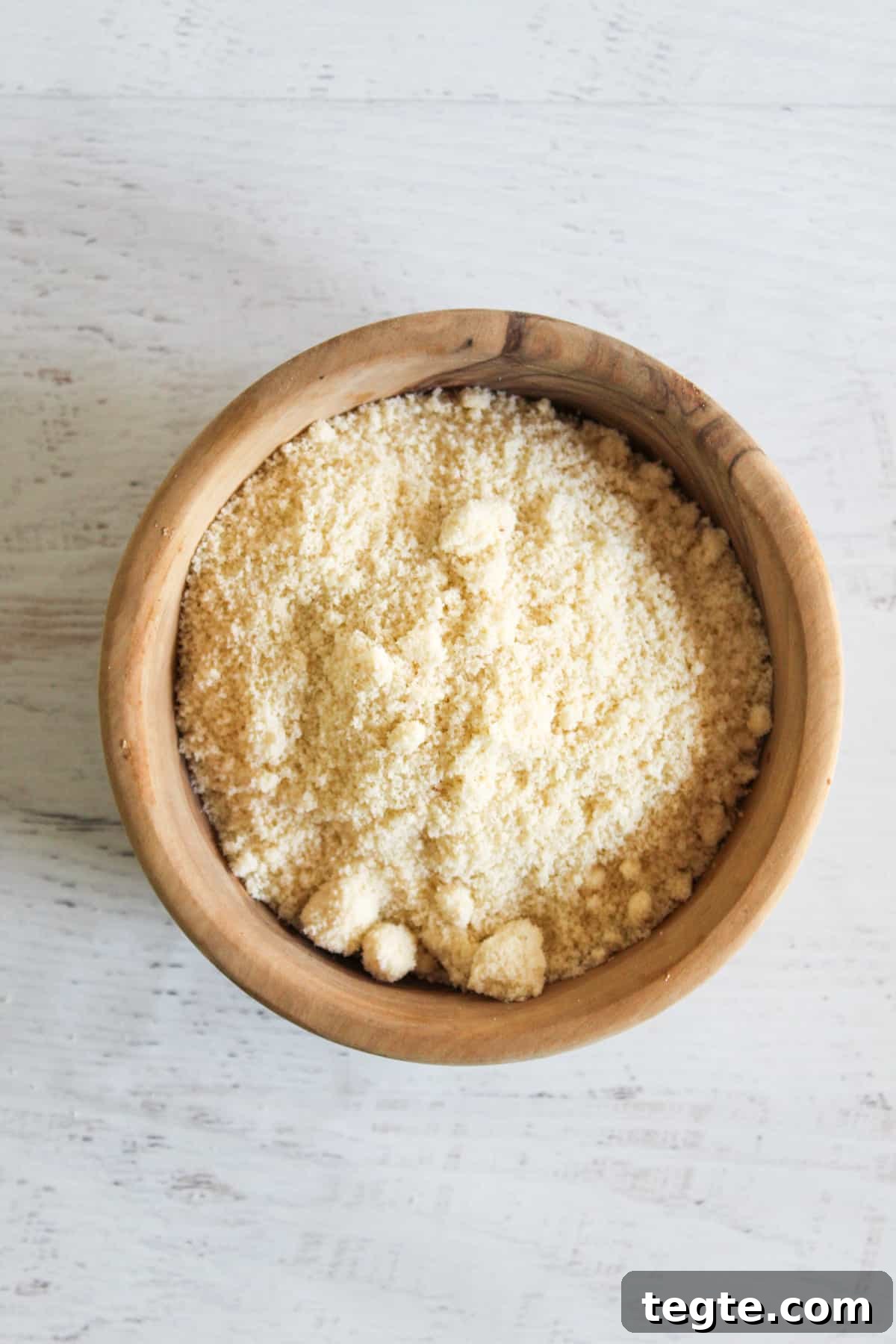
Almond flour adds moisture, richness, and tenderness and pairs well with cassava flour in brownies, cookies, and cakes.
Coconut Flour
Coconut flour is highly absorbent and works best in small amounts, often combined with cassava flour or tapioca starch to balance moisture and density.
Rice Flour
Rice flour lightens texture and is common in gluten-free blends to reduce heaviness from cassava flour.
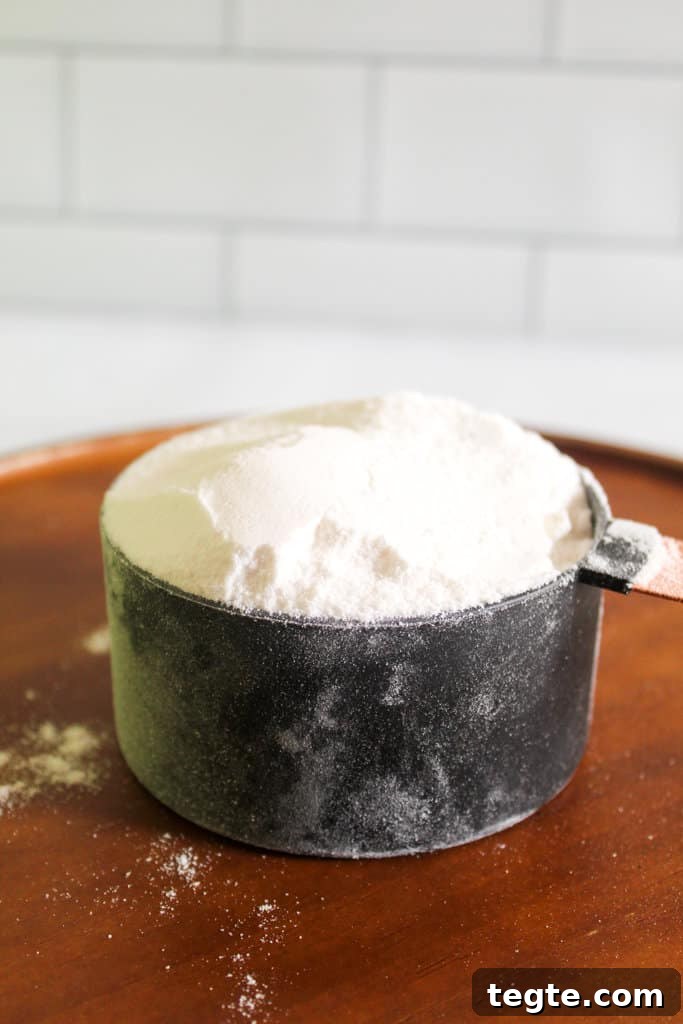
Arrowroot Starch
Arrowroot behaves similarly to tapioca starch and improves softness and elasticity in recipes that need a lighter texture.
Potato Starch
Potato starch helps with tenderness and moisture retention and is often added to gluten-free breads and cakes to improve softness without excessive chewiness.
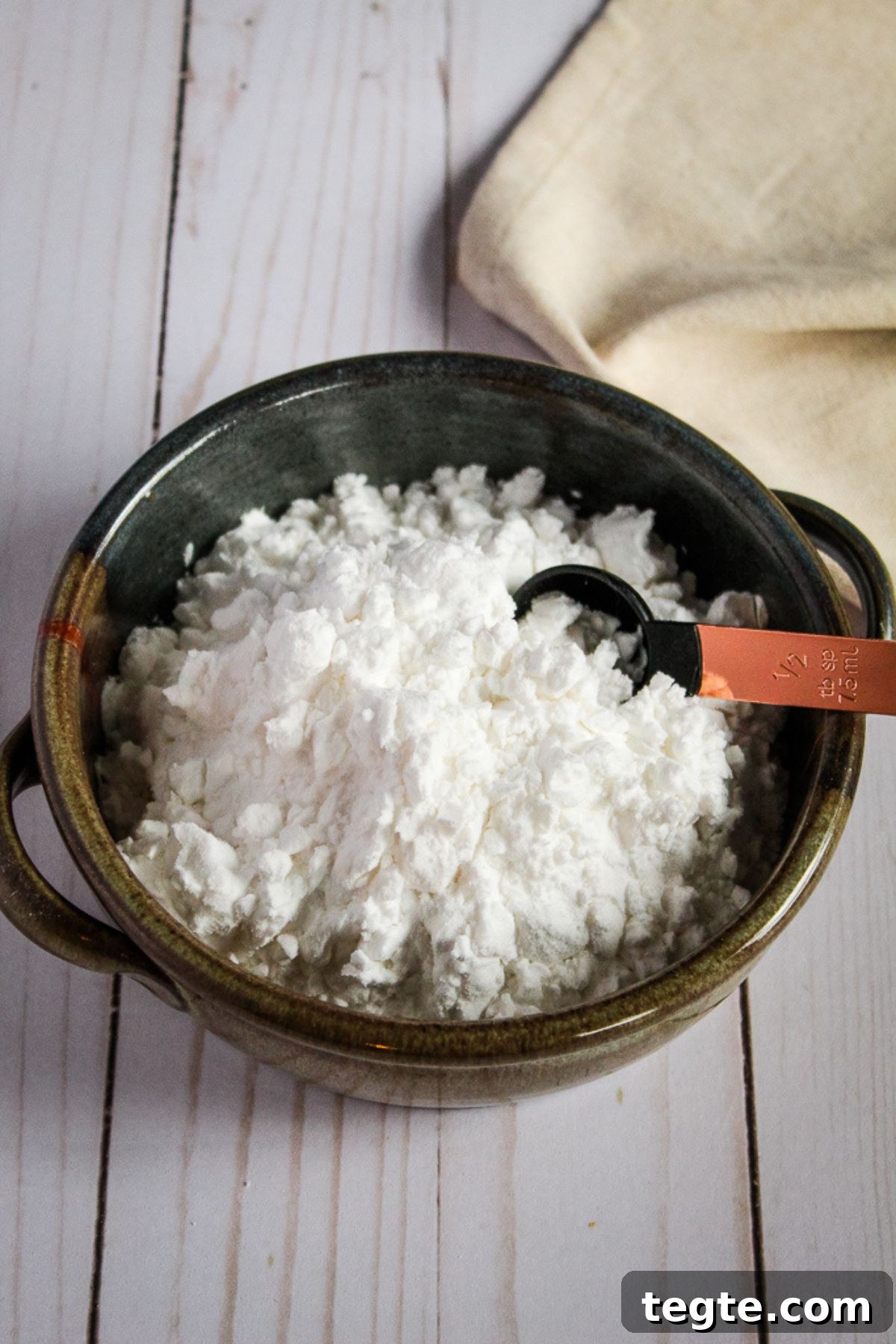
The best gluten-free recipes come from understanding how ingredients interact rather than relying on a single flour.
Frequently Asked Questions
Here are common questions about substituting cassava flour and tapioca starch.
Why Is Tapioca Starch Sometimes Called Tapioca Flour?
Labeling varies by region and brand; “tapioca flour” and “tapioca starch” often refer to the same refined starch extracted from cassava.
Can Cassava Flour Be Used Without Eggs?
Yes, but results depend on the recipe. Eggs add structure and moisture, so egg-free grain-free recipes often need alternative binders like flax or chia “eggs” or extra starches.
Which Ingredient Is More Effective for Achieving a Crispy Texture?
Tapioca starch is typically better for crispness—useful for pizza crusts, crackers, and waffles—while cassava flour tends to yield softer, denser textures.
Can You Freeze Recipes Made With Cassava Flour or Tapioca Starch?
Most baked goods made with either ingredient freeze well. Cassava-flour breads, pancakes, and brownies reheat nicely, while tapioca-based recipes often retain chewiness after thawing.
Which Ingredient Is Easier for Beginners to Bake With?
Cassava flour is generally easier for beginners because it behaves more like traditional flour. Tapioca starch requires careful measurement—small changes can noticeably affect texture.
Related Gluten-Free Baking Guides
If you’re exploring more flour substitutions, guides comparing cassava to almond flour, coconut flour substitutes, and other nut flours can help you choose the right mix for better texture and fewer mistakes.
Which One Works Best for You?
Have you tried cassava flour or tapioca starch in a recipe? Share your experience in the comments—your results might help another gluten-free baker troubleshoot a future batch.