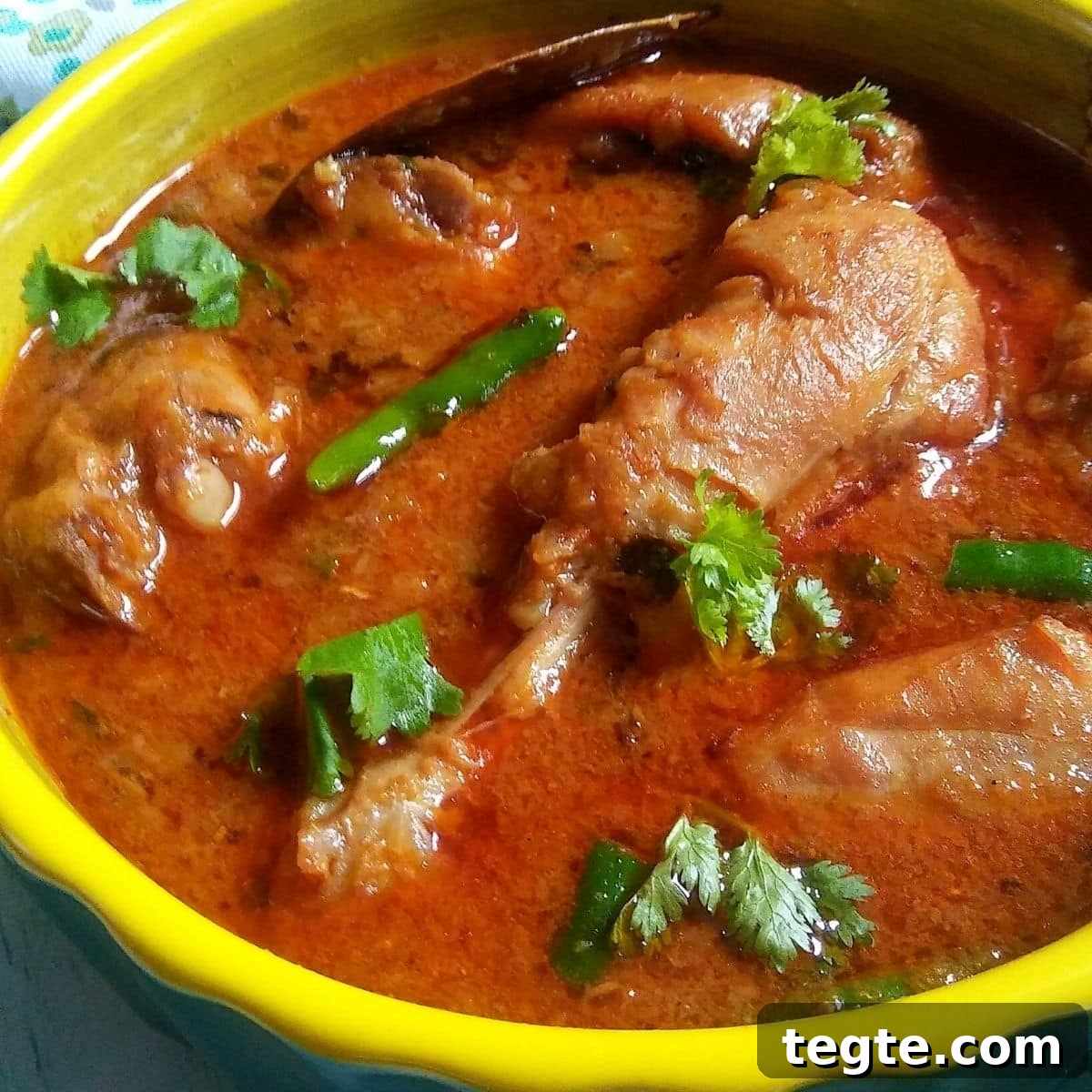
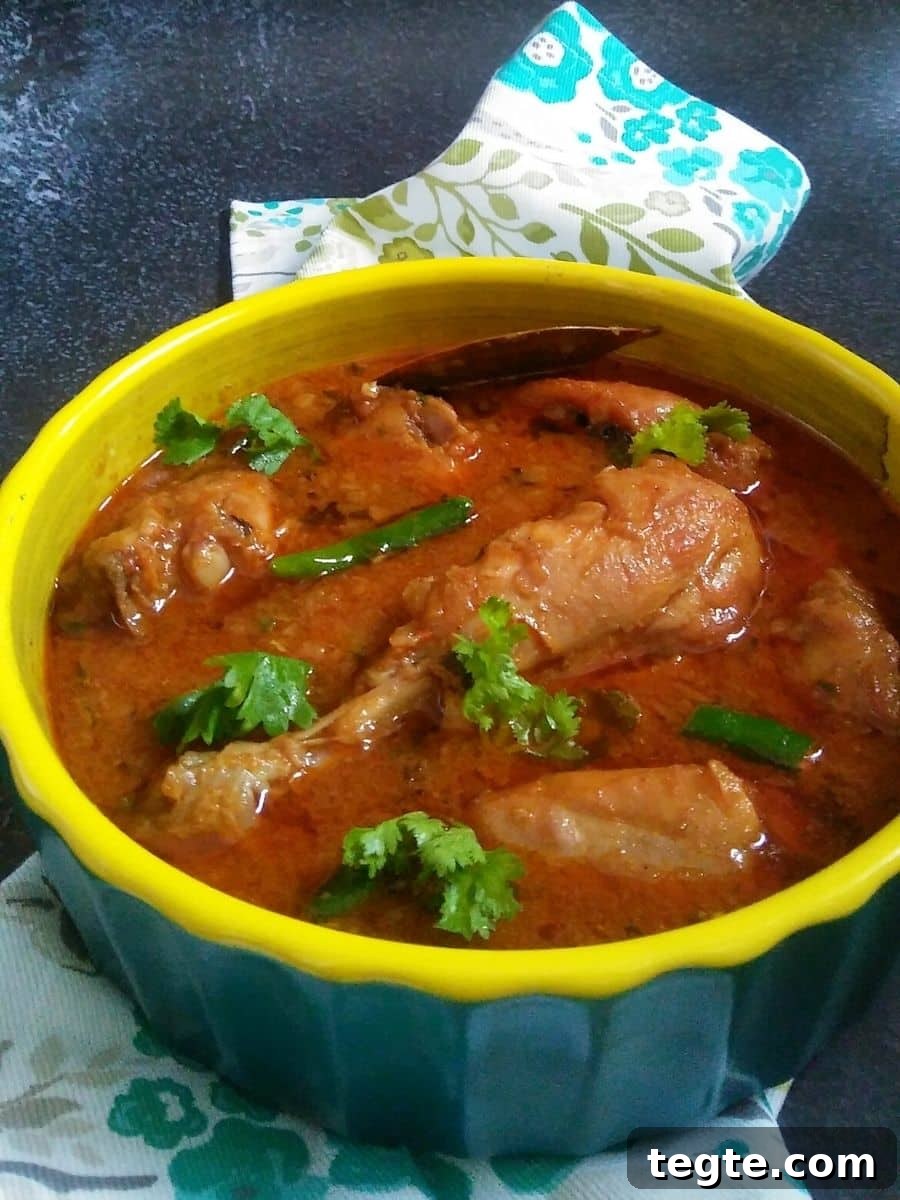
Dhaba Style Chicken Curry Recipe: A rich, comforting chicken curry made simply with onions, tomatoes, and a handful of spices. This version captures the bold, homely flavors you find at roadside dhabas.
What is a Dhaba
Dhabas are informal, highway-side eateries across India, often located near petrol pumps and serving travelers, truck drivers, and locals. They focus on hearty regional food made from fresh ingredients, usually at affordable prices. Many dhabas operate around the clock and are known for simple, robust flavors.
Historically, many highway dhabas were started by Punjabi families, so the term “Punjabi dhaba” is commonly used. Dhaba cooking is practical — recipes are designed to stay flavorful for longer and to satisfy large groups.
For many families, stopping at a dhaba is an essential part of a road trip. The rustic setting, food served on a charpai or simple table, and open-air atmosphere create an experience that’s hard to match in fine dining restaurants. While some dhabas have modernized, the traditional flavors remain unchanged.
- Dhaba style aloo gobi masala
About this Punjabi Dhaba Style Chicken Curry
This recipe is intentionally straightforward. There’s no yogurt, cashews, coconut, or cream — just chicken and pantry spices. The two techniques that give this curry its authentic dhaba character are searing the chicken and slow cooking the curry.
Searing the chicken over high heat locks in juices and adds caramelized flavor. After searing, the chicken simmers gently in an onion-tomato gravy, developing depth and a mildly spicy, well-rounded taste. The result is a rustic, satisfying curry that tastes like it came straight from a roadside dhaba.
Preparation (Step by Step)
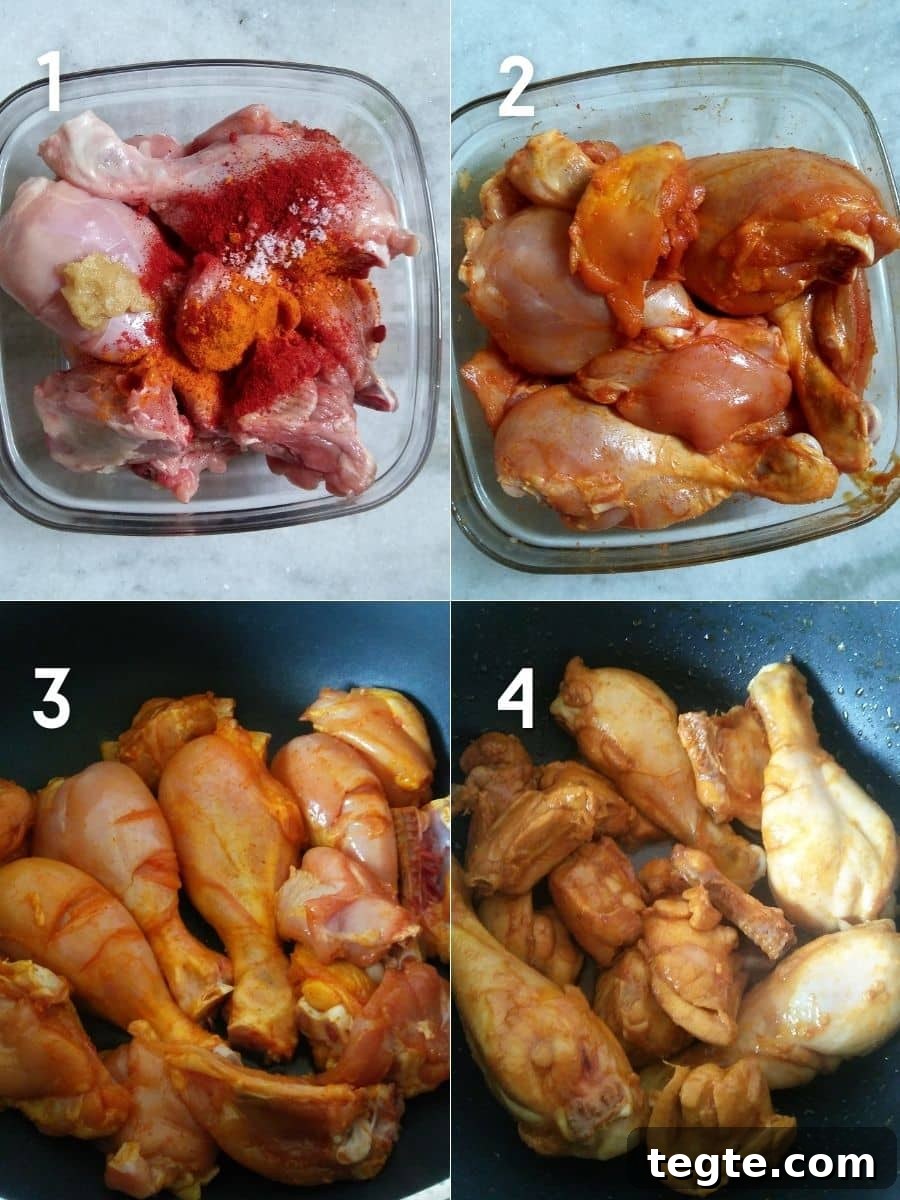
- In a bowl, combine chicken pieces with lemon juice, ginger-garlic paste, turmeric, Kashmiri red chili powder, and salt. Mix well and let rest for a few minutes to marinate.
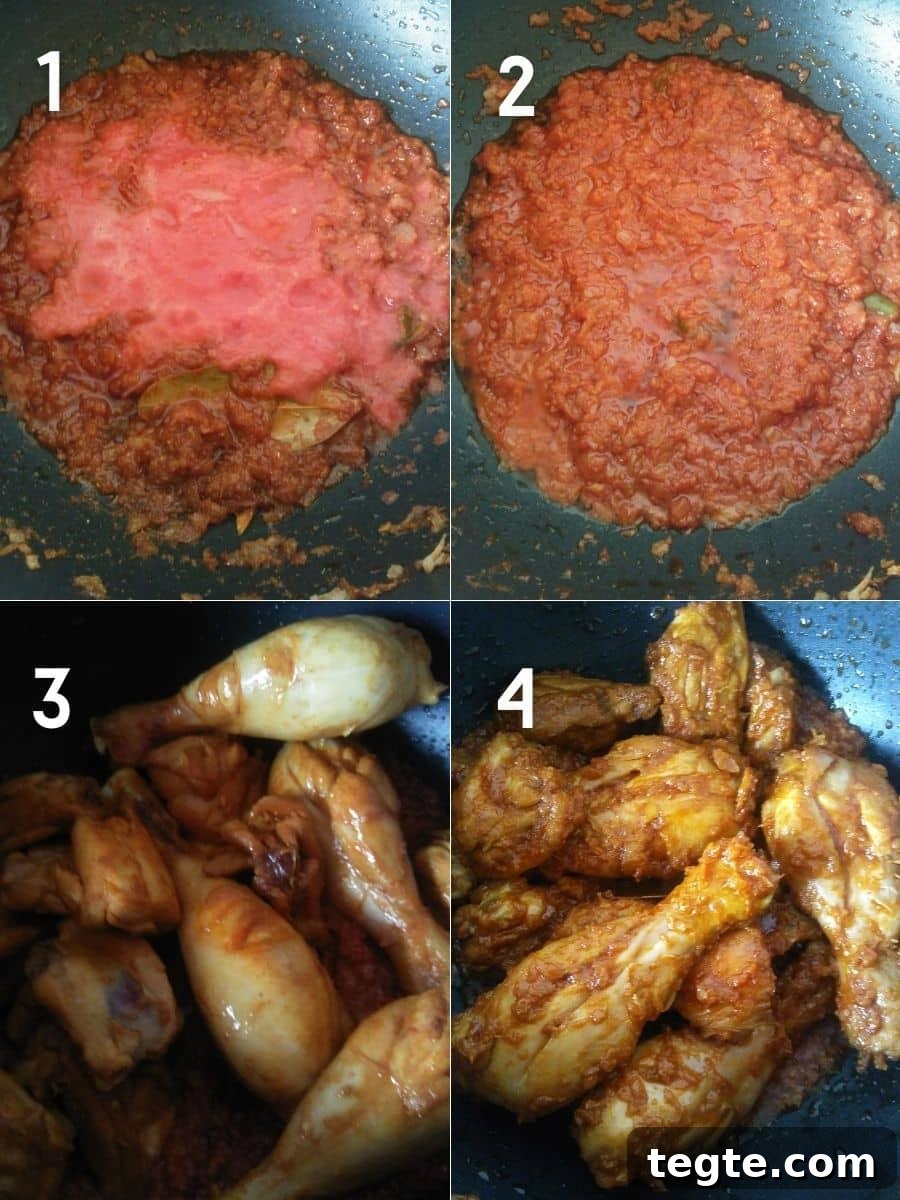
- Heat oil in a pan. When the oil is hot, add the chicken and sear on high heat for 6–7 minutes until browned. Remove and set aside.
- In the same or a clean pan, heat oil and add a bay leaf, sliced green chili, and finely chopped onions.
- Sauté the onions over medium-low heat for 8–10 minutes until they turn slightly golden brown.
- Add ginger-garlic paste and cook for 2 minutes, until the raw aroma disappears.
- Stir in Kashmiri red chili powder, cumin powder, and coriander powder; sauté for a few seconds, then add a splash of water to prevent burning.
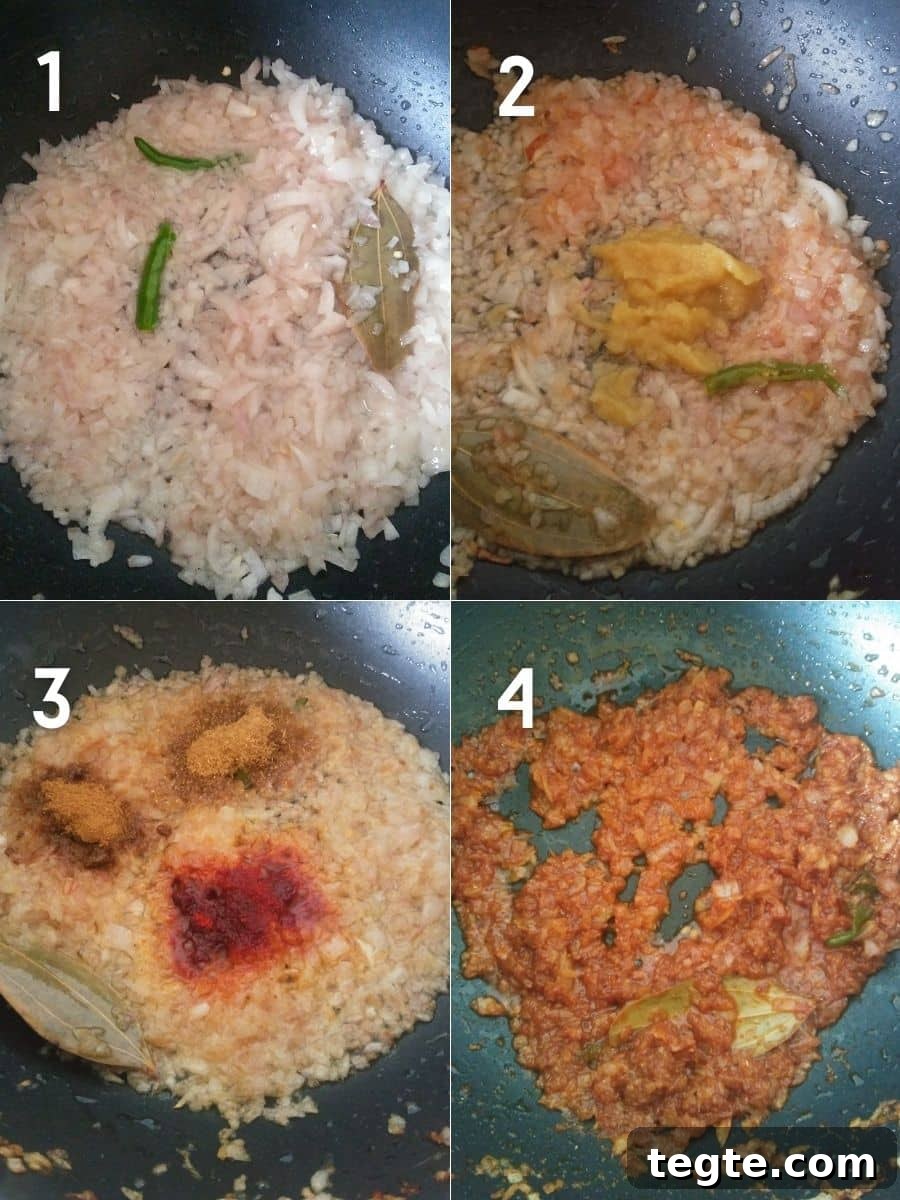
- Add tomato paste (or blended tomatoes) and salt. Mix well, cover, and cook until the tomatoes break down and the oil separates slightly.
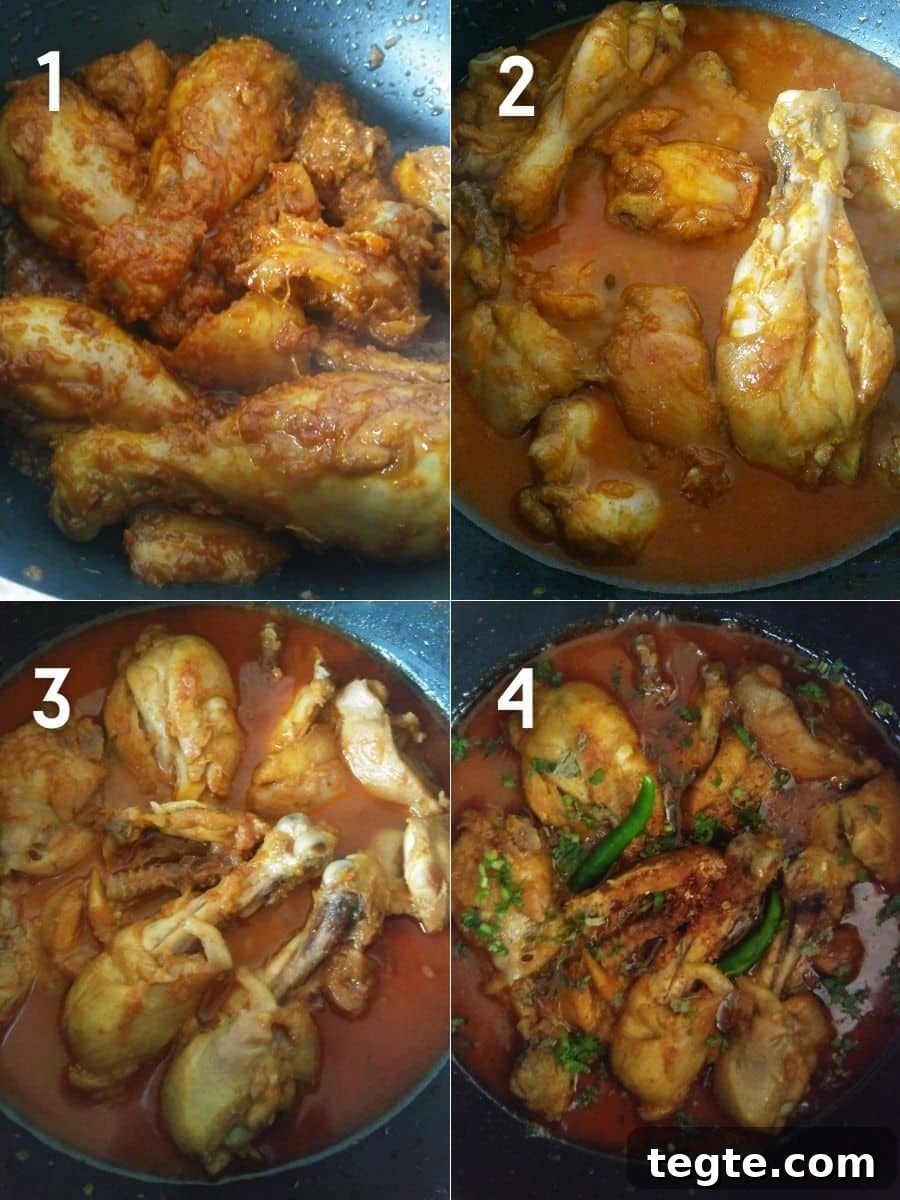
- Return the seared chicken to the pan and sauté on medium-high heat for about 10 minutes, coating the pieces with the masala.
- Add warm water, stir, then cover and simmer over low flame until the chicken is cooked through and tender.
- When the chicken is done, sprinkle garam masala, crush Kasuri methi between your palms and add it, along with sliced green chilies and chopped coriander leaves. Mix and turn off the heat.
- Cover and let the curry rest for 5 minutes so the flavors meld.
- Serve the dhaba style chicken curry hot with steaming rice or roti.
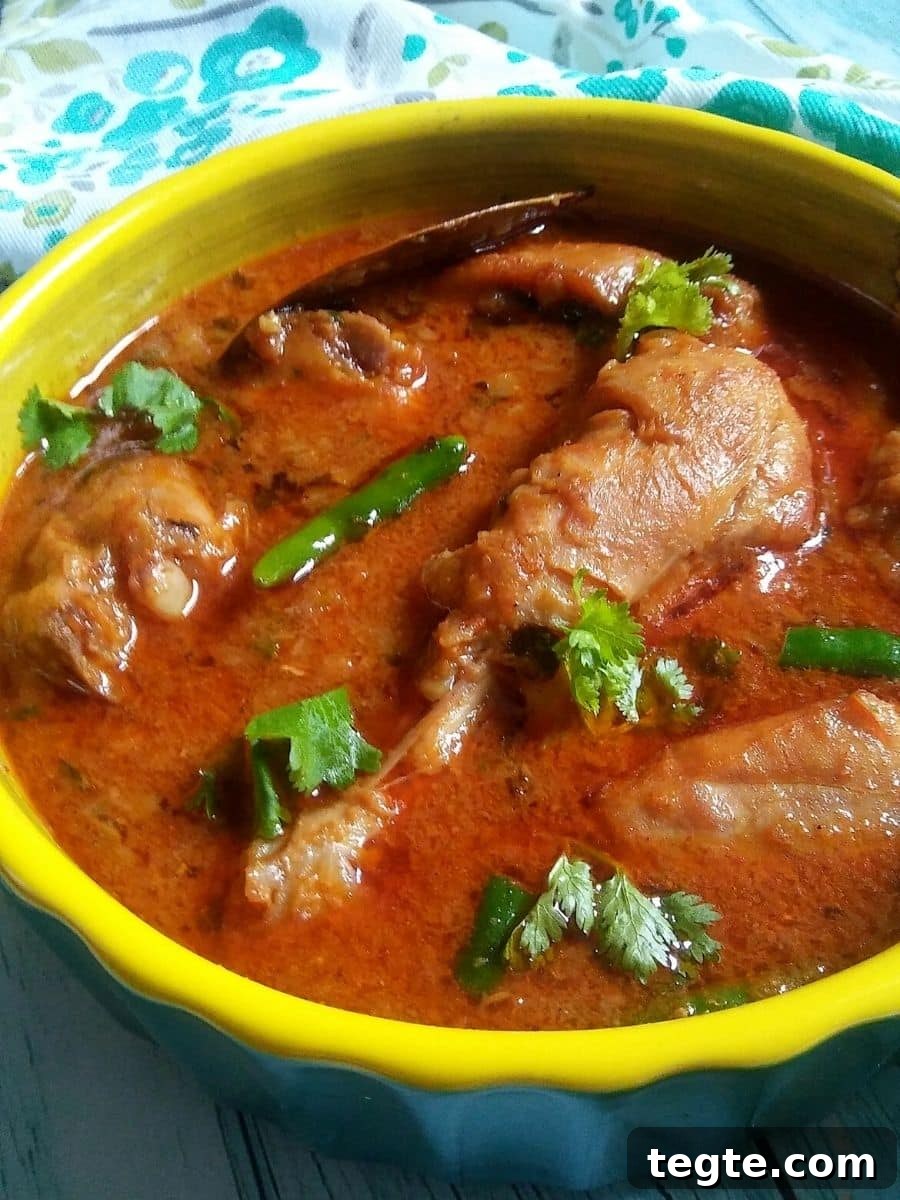
Serving Suggestions
This curry pairs perfectly with hot steamed rice or roti. It also works well with pulao, paratha, or naan.
To make a complete dhaba-style meal, serve the chicken curry with a simple arhar dal, a fresh kachumber salad, and plain basmati rice.
Recipe Notes
- Always use fresh ingredients for the best flavor.
- Prefer bone-in chicken pieces; the bones add depth and richness to the curry.
- Adjust the chili level to suit your preferred heat.
More chicken recipes to try
- Authentic Chicken Curry
- Andhra Chicken Curry
- Spicy Chicken Roast
- Chicken Fry
- Butter Chicken Meatballs
If you try this recipe, please leave feedback and a rating. You can also tag @spoonofflavor on Instagram.
Recipe
Dhaba Style Chicken Curry Recipe
Equipment
- Pan with lid
Ingredients
For marinate
- 750 grams bone-in chicken (or 1.65 lbs)
- 1 teaspoon lemon juice (fresh)
- 1 teaspoon ginger-garlic paste
- ½ teaspoon turmeric powder
- ½ teaspoon Kashmiri red chili powder (non-spicy)
- 1 teaspoon salt
For searing chicken
- 2 tablespoon oil
For curry
- 3 tablespoon oil
- 1 bay leaf
- 1 sliced green chili
- 3 medium onions, finely chopped
- 1.5 teaspoon ginger-garlic paste
- 1 teaspoon Kashmiri red chili powder
- 1 teaspoon cumin powder
- 1 teaspoon coriander powder
- 2 medium tomatoes, made into a paste
- Salt, as required
- 1 cup warm water
- 2 slit green chilies
- ½ teaspoon garam masala powder
- 1 teaspoon Kasuri methi (dried fenugreek leaves)
- 3 tablespoon fresh coriander leaves, finely chopped
Instructions
Marination
- Place chicken in a bowl. Add salt, lemon juice, ginger-garlic paste, turmeric, and chili powder. Mix well and set aside for a few minutes.
Searing the Chicken
- Heat oil in a pan. When hot, add the marinated chicken and sear on high flame for 6–7 minutes until browned. Remove and set aside.
Preparing the Curry
- Heat oil in a pan. Add bay leaf, green chili, and chopped onions. Sauté onions over medium-low flame for 8–10 minutes until slightly golden.
- Add ginger-garlic paste and cook for 2 minutes until the raw aroma disappears.
- Stir in red chili, cumin, and coriander powders; sauté briefly and add a splash of water to deglaze.
- Add tomato paste and salt. Cover and cook until tomatoes are soft and the oil separates.
- Add the seared chicken and sauté on medium-high for about 10 minutes, coating the chicken with the masala.
- Pour in warm water, mix, then cover and simmer on low heat until the chicken is cooked through.
- Once cooked, add garam masala, crushed Kasuri methi, slit green chilies, and chopped coriander. Stir and turn off the heat.
- Cover and let rest for 5 minutes to let flavors meld. Serve hot with rice or rotis.
Notes
- Use fresh ingredients for the best flavor.
- Bone-in leg pieces are preferred; the bones add richness to the curry.
- Adjust the spice level to taste.
Nutrition Disclaimer:
Nutrition information is a general estimate only. Actual values may vary depending on specific ingredients and brands used. For exact figures, consult a registered dietitian or use a nutrition calculator.