Long before modern medicine, human societies relied closely on the natural world for food, shelter, and healing. Survival depended on understanding the land—soil quality, weather patterns, and seasonal cycles—and on passing knowledge down through generations about which plants eased pain or treated infections. People used plants in many forms: chewed leaves to numb a toothache, brewed teas for upset stomachs, and prepared poultices or compresses to treat burns and fevers. That traditional knowledge laid the groundwork for modern fields like pharmacology, naturopathy, and homeopathy.
While modern pharmaceuticals have brought undeniable convenience and effectiveness, there’s value in maintaining simple natural remedies for common complaints. Cultivating a few medicinal plants at home can provide fresh ingredients for teas, salves, and topical treatments, and connects us to the practical wisdom of earlier generations.
7 Easy-To-Grow Medicinal Plants
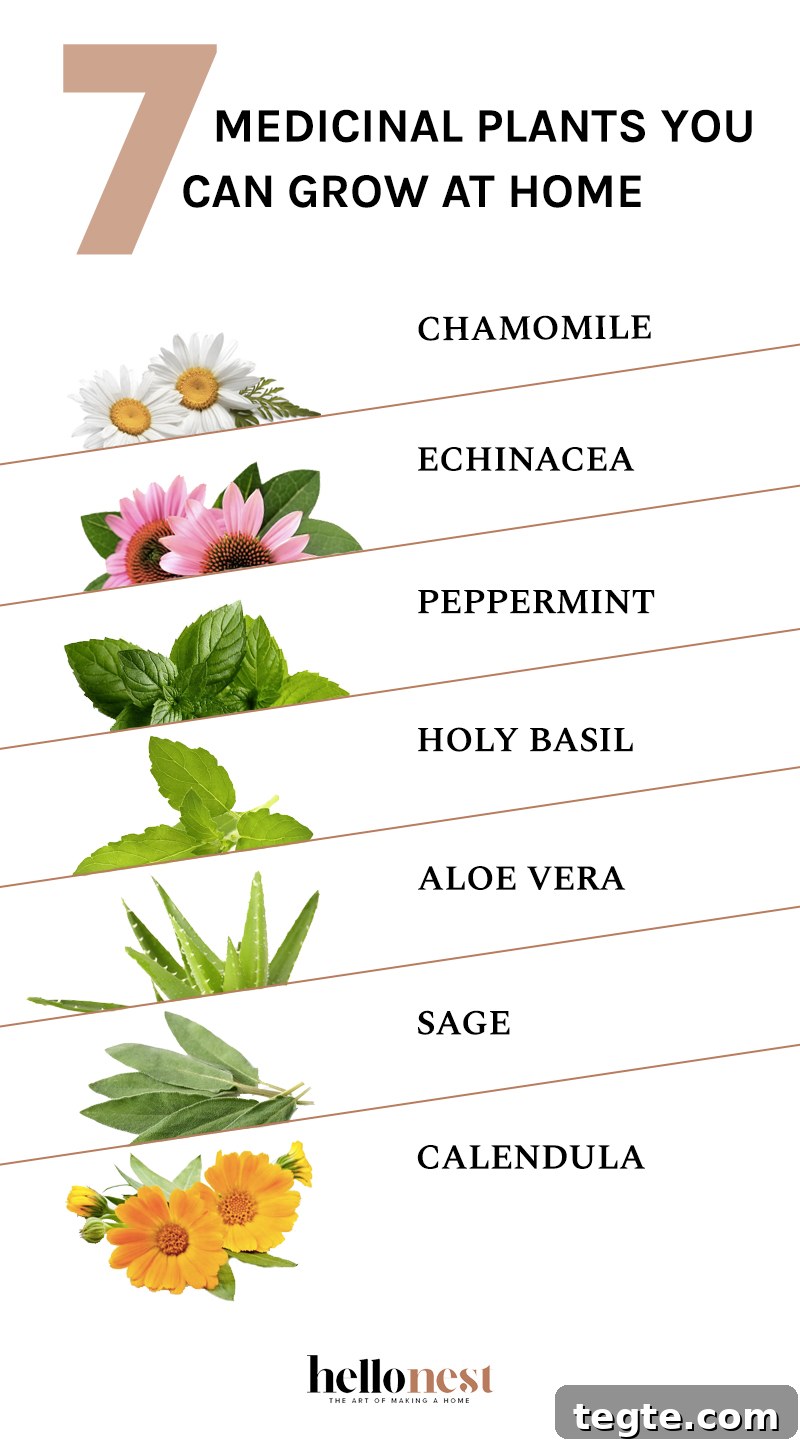
Below is a selection of easy-to-grow medicinal plants suitable for containers or garden beds, with practical uses for common ailments. Keep in mind that pregnant or breastfeeding individuals should consult a healthcare professional before using herbal remedies.
Note: if you are pregnant or breastfeeding, it’s recommended to consult with your health care professional before taking any herbal supplements or remedies.
1. Chamomile
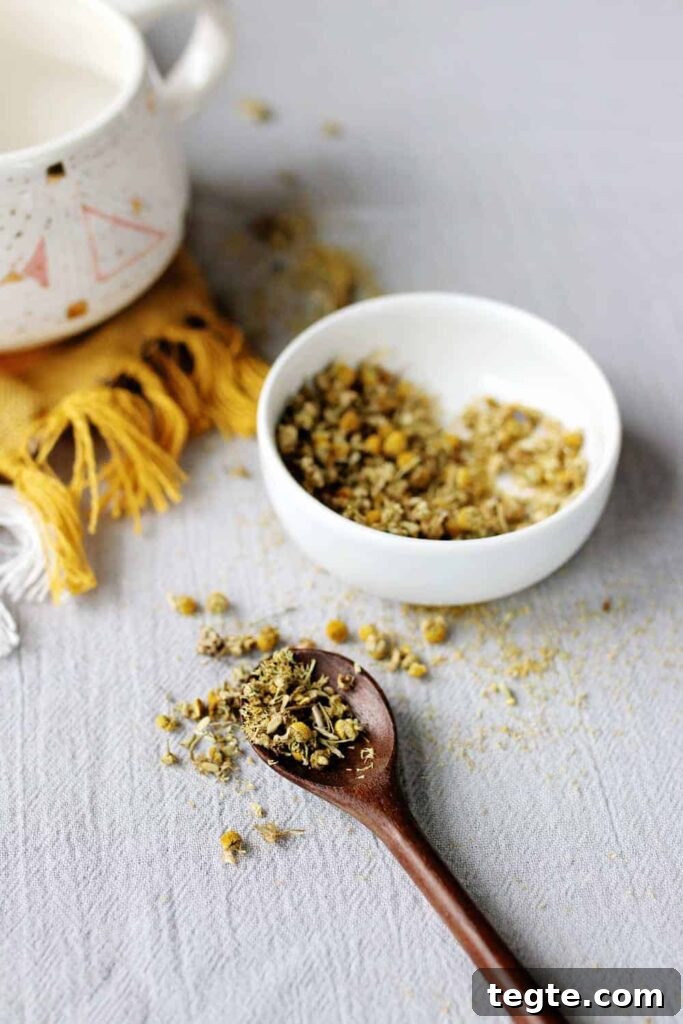
Chamomile, a daisy-like flower popular with pollinators, is prized for soothing sleep issues, digestive complaints, and menstrual cramping. Its gentle calming properties make it an ideal tea before bedtime, and chamomile essential oil is commonly used for relaxation. Grow it in a clay pot on a south-facing windowsill and water regularly. Brew 3–4 tablespoons of fresh flowers in 8 ounces of water for a calming infusion that also freshens indoor air.
2. Echinacea
Echinacea, or purple coneflower, is valued for its anti-inflammatory and immune-supporting effects. Commonly used to ease sore throats, coughs, and mild infections, it can help shorten the duration of colds. Echinacea thrives in full sun, making it a great addition to outdoor beds, though it can also be grown in containers. Flowers, leaves, and roots can be prepared as teas, tinctures, or other remedies.
3. Peppermint
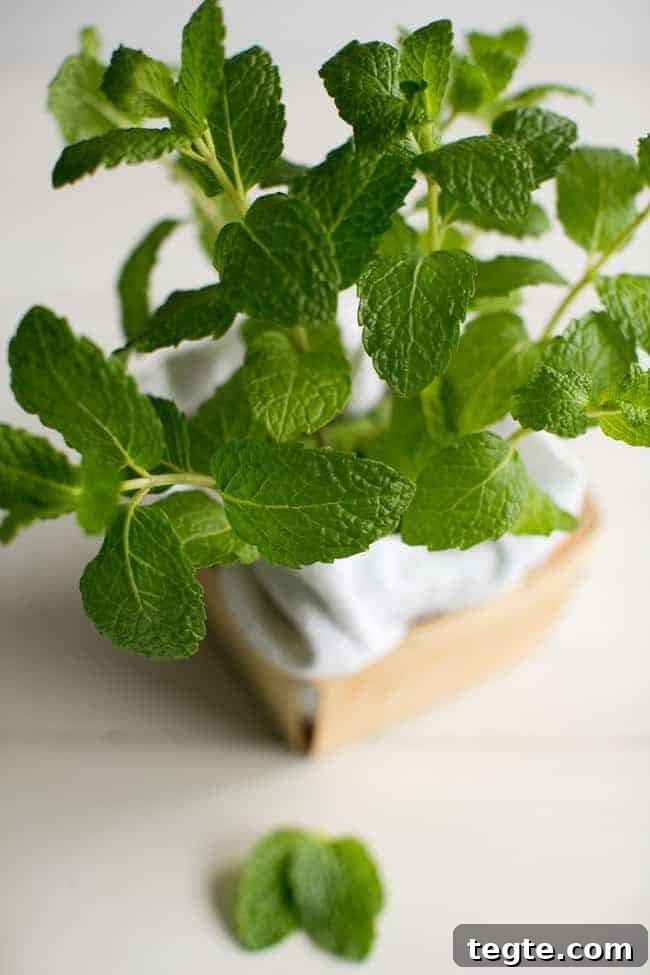
Peppermint is widely used for digestive support, including relief from irritable bowel symptoms, nausea, and indigestion. It can also ease headaches and symptoms of colds. Mint grows vigorously and can quickly invade garden beds, so container cultivation is often best. Indoors, place it in a sunny spot with regular water. Use fresh leaves in salads, chew a leaf for nausea or sore throats, or brew a post-meal peppermint tea to aid digestion.
4. Holy Basil (Tulsi)
Tulsi, or holy basil, is a cornerstone of Ayurvedic herbal medicine and is considered an adaptogen—helping the body manage stress. Traditionally used for colds, asthma, bronchitis, earaches, headaches, fevers, and stomach discomfort, Tulsi is also brewed as a calming tea that supports mental clarity during meditation. Tulsi can be grown from seed in warm, sunny pots; harvest the leaves for teas to help manage stress and seasonal illnesses.
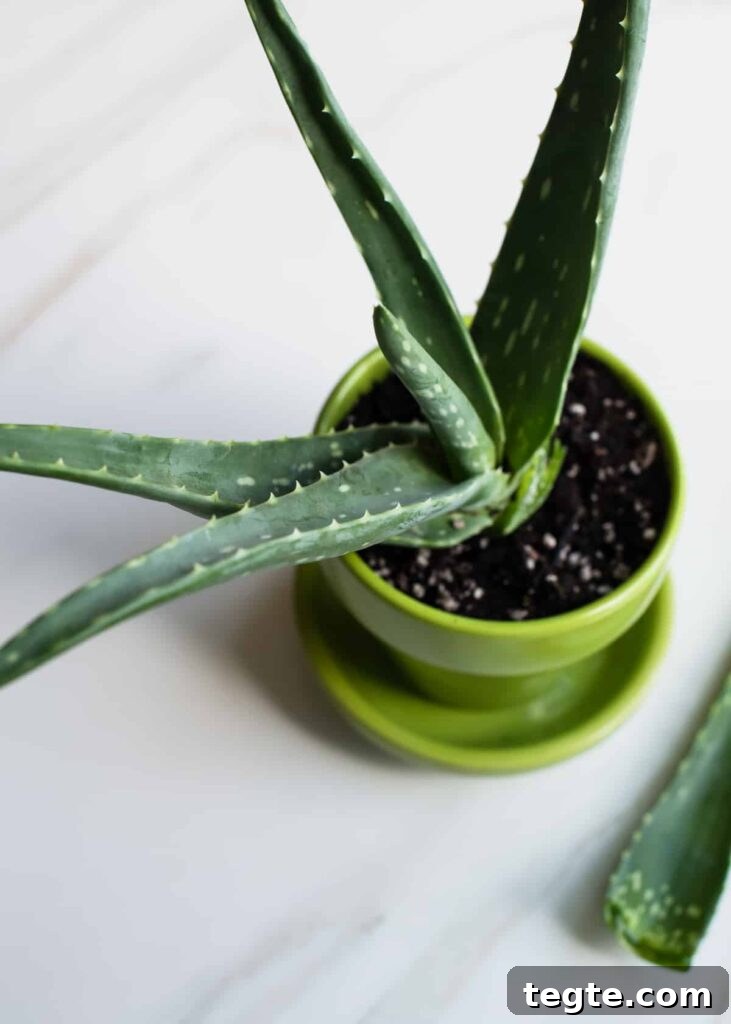
5. Aloe
Aloe vera is a low-maintenance succulent with thick leaves that contain soothing gel commonly used for burns, cuts, and other skin irritations. The gel has anti-inflammatory and antimicrobial properties and works well as an after-sun treatment. Grow aloe in a porous clay pot with succulent soil to ensure good drainage. Water sparingly—mimic desert conditions with dry periods followed by a thorough soak. Aloes produce offsets that can be separated and repotted to expand your collection.
6. Sage
Sage (Salvia) is both a culinary and medicinal herb. Traditionally used for digestive complaints—such as gas, bloating, and indigestion—sage also serves as an analgesic for mouth and throat issues. It can be used fresh or dried as a tea, gargle, or topical rinse for sore throats, irritated gums, and swollen tonsils. Sage grows well in pots or garden beds and dries well for winter use. Its strong, slightly bitter tea is often sweetened with honey and brightened with lemon.
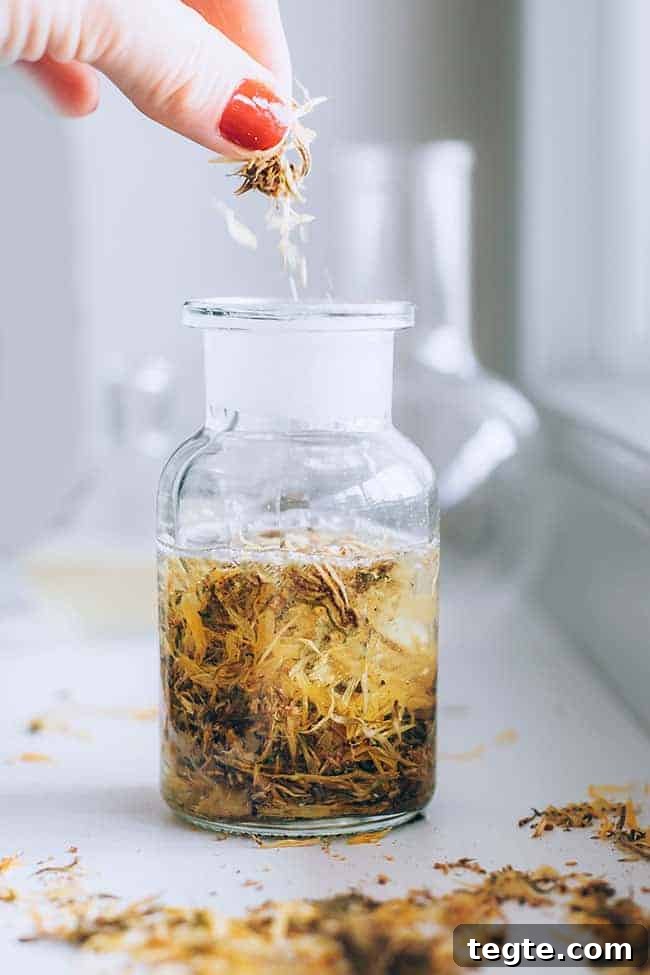
7. Calendula
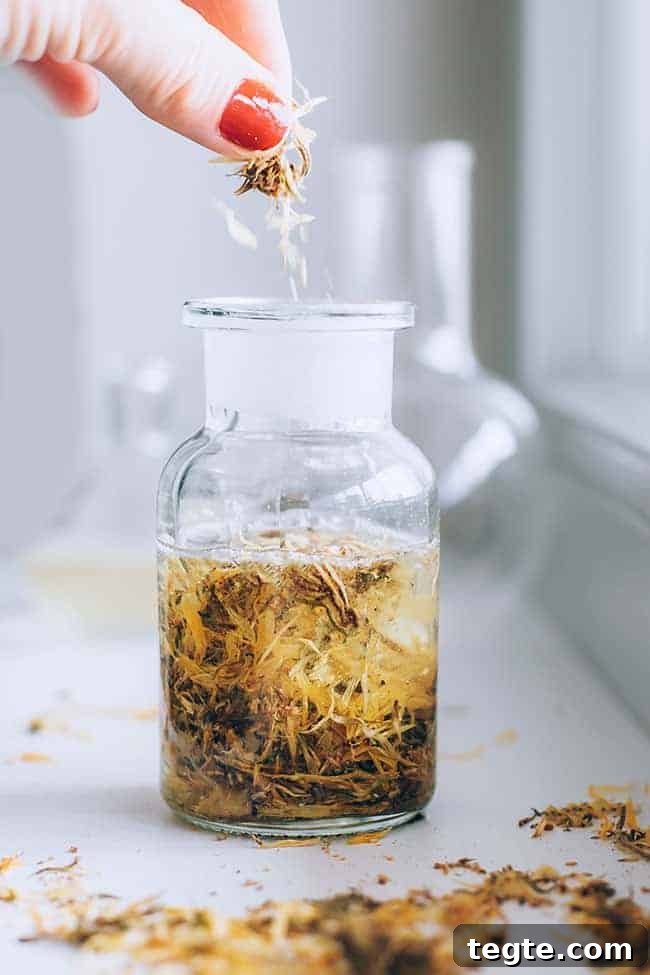
Calendula, or pot marigold, is a vibrant flower used extensively in natural first-aid preparations. With anti-inflammatory, antifungal, antiviral, and antibacterial qualities, calendula is ideal for salves, creams, and poultices to soothe diaper rash, eczema, acne, minor wounds, and burns. Both fresh and dried petals are useful; harvest flowers for fresh use or dry them for year-round remedies. Calendula-infused oils and salves make a valuable addition to any herbal first-aid kit.
Planting a small medicinal garden or keeping a few potted herbs inside brings greenery into your home while offering practical, homegrown remedies for everyday ailments. These seven plants are hardy, easy to cultivate, and versatile—providing fresh ingredients for teas, poultices, and topical treatments that complement modern healthcare approaches.