I now duck as the tomatoes start to fly.
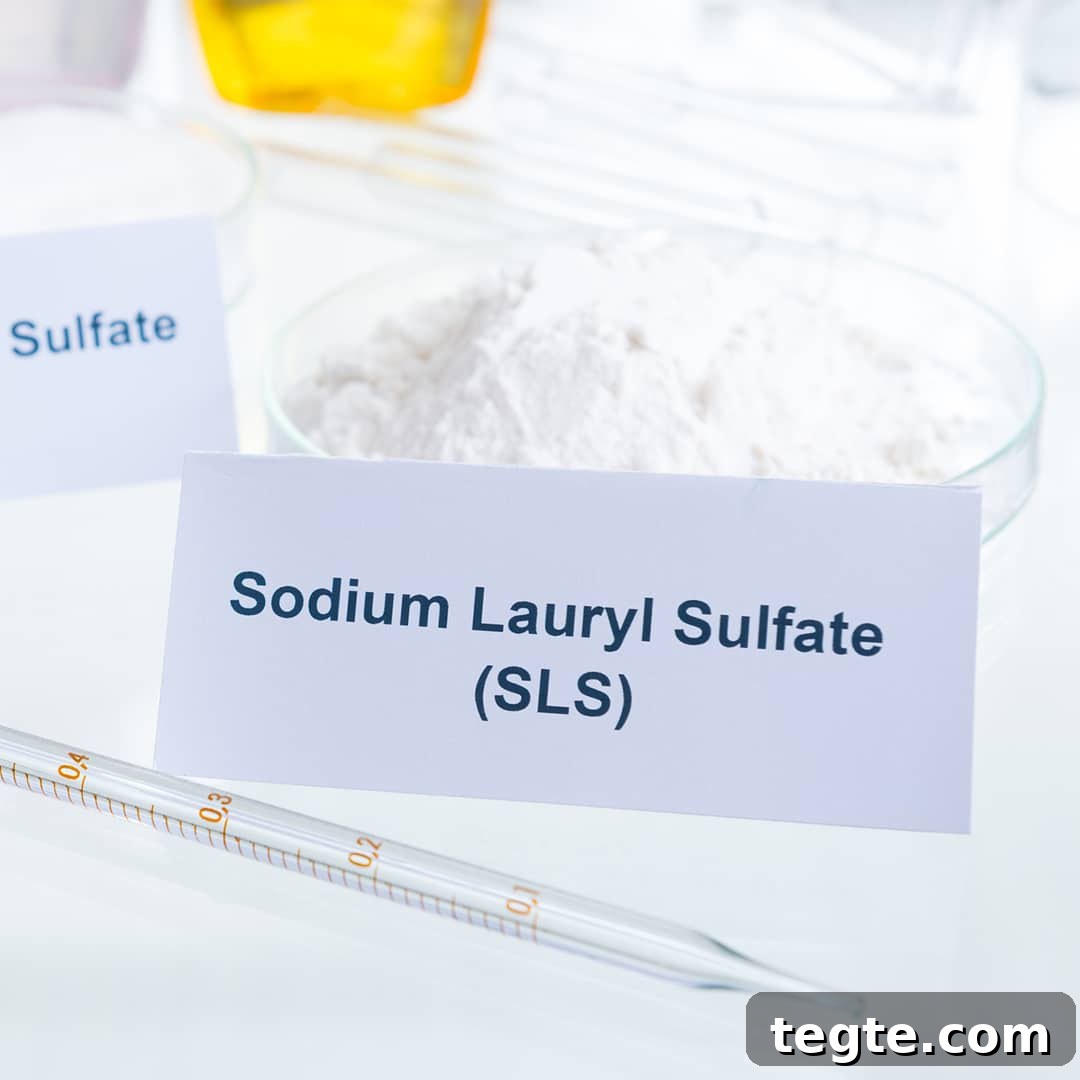
Sodium Lauryl Sulfate (SLS) has become one of the most misunderstood ingredients in personal care. Some call the backlash a marketing phenomenon; others call it misinformation that has taken on a life of its own. Whatever the cause, SLS has a disproportionately bad reputation compared with many other ingredients that are more problematic yet receive far less attention.
It has become more vilified than any other chemical in body care, while those that are much more problematic pass freely beneath the radar.
The most damaging rumor is that SLS is carcinogenic because it supposedly forms nitrosamines. Chemically, that claim does not hold up: SLS lacks the nitrogen-containing structures required to form nitrosamines, so the mechanism often cited is impossible.
We use SLS in our Sal Suds all-purpose biodegradable household cleaner because it is an effective grease cutter, produces abundant suds, and biodegrades rapidly. SLS is synthesized by attaching a sulfate group to lauryl alcohol (derived from coconut oil) and then neutralizing with sodium. Like many surfactants, if poorly formulated it can irritate skin; that is why our formulation includes lauryl glucoside to help reduce irritation.
Sal Suds is a synthetic detergent intended for household cleaning, not a body-care product. SLS has never been an ingredient in our Pure-Castile soaps, which are made from saponified vegetable oils and are better suited for skin and can be certified organic. Although SLS has a coconut origin, it is a processed, synthetic surfactant.
For a clear review of the evidence addressing common SLS myths — from cataracts to cancer — consult peer-reviewed sources and reviews on the subject. Even the Environmental Working Group (EWG), which often rates consumer product ingredients conservatively, gives SLS a low hazard score of 1.
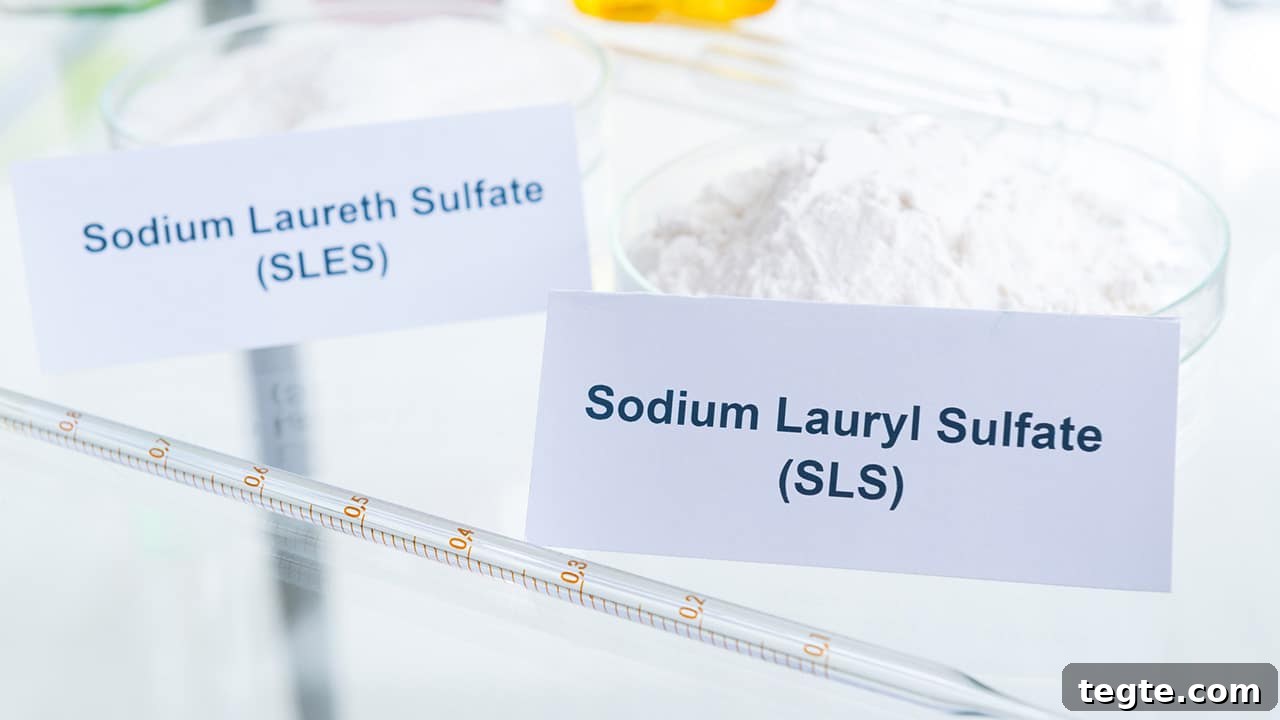
How the scare started is unclear. Some suggest rival manufacturers or simple confusion between SLS and related compounds such as sodium laureth sulfate (SLES), which can be linked to impurities like 1,4-dioxane when improperly processed. Misunderstandings and fear spread quickly online, and SLS became an easy target amid growing consumer distrust of the personal care industry.
That backlash created a marketing opportunity for many companies. Products labeled “SLS-free” proliferated, and while that label reassured some consumers, it did not guarantee a safer or more environmentally friendly formulation. In some cases, replacements for SLS were petroleum-derived surfactants or other additives with worse environmental or health profiles. The “SLS-free” label has sometimes been used to greenwash products rather than to improve safety.
Because formulation matters, SLS can be an irritant when not balanced properly. As a precaution, many manufacturers and consumers choose to avoid SLS in leave-on or sensitive body-care products. It is still common in many conventional toothpastes and shampoos, and there is tentative evidence linking SLS to mouth irritation and canker sores for susceptible individuals. Given that, avoiding SLS in oral or leave-on products can be a reasonable personal choice.
This discussion has focused on SLS itself and not on SLES or related issues such as 1,4-dioxane contamination, which involve different chemistries and processing concerns.
Note: My brother Mike Bronner contributed to parts of this piece.
Sal Suds cleaner shows >60% biodegradation after 28 days per ISO 14593.
Further reading
- 13 Essential Green Cleaning Ingredients
- 12 Personal Care Ingredients to Avoid
- Deciphering Soap and Body Care Ingredients