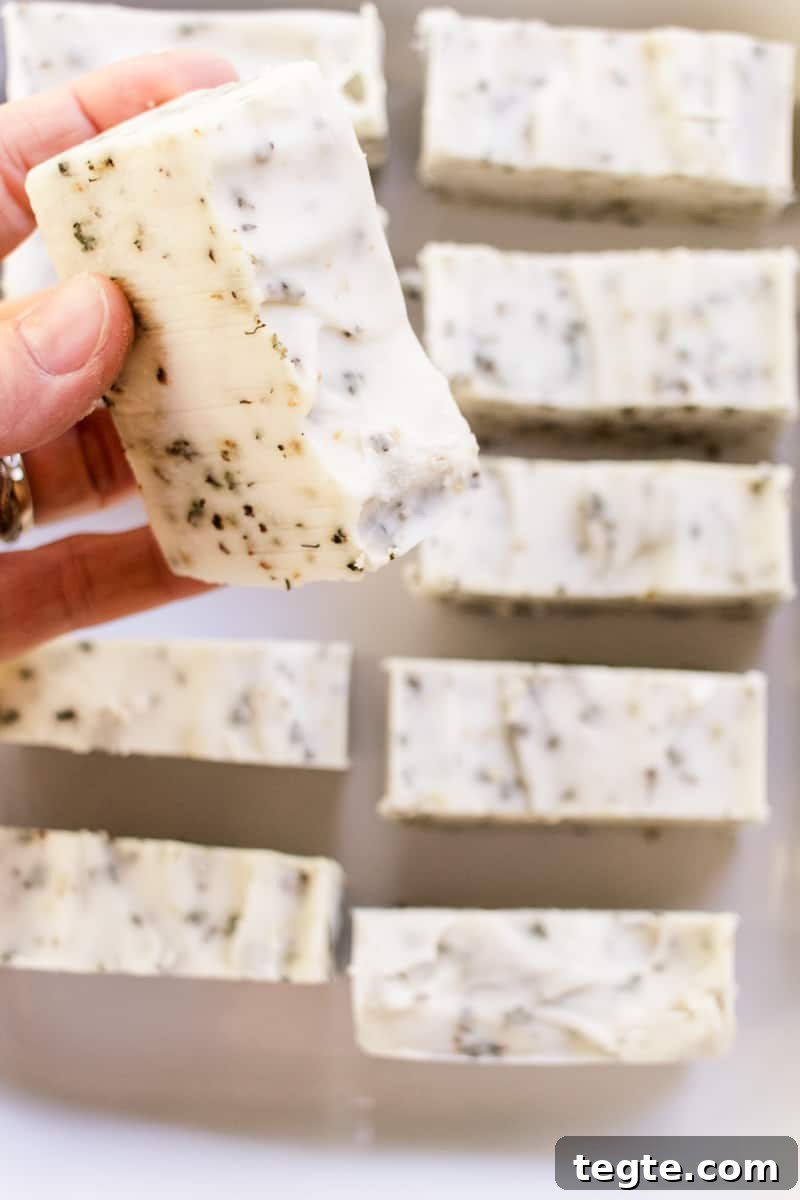
Get cozy with this herbal soap recipe for natural, comforting skin care. Experience the subtle magic of dried herbs in every lather — a gentle, seasonal bar that’s easy to make at home.
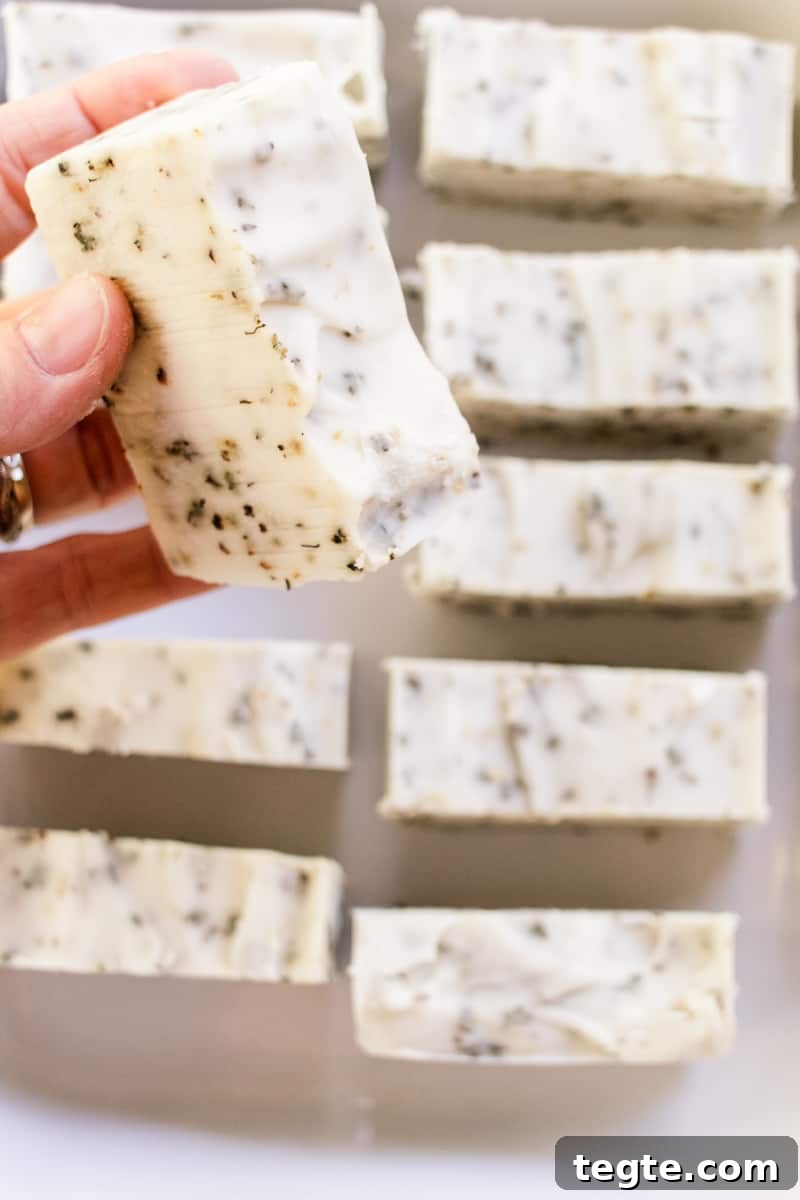
If you love herbs, you’ll adore this herbal soap. The earthy scents are soothing and perfect for autumn or anytime you want a calm, grounding bath or hand-wash experience.
This post covers a cold-process soap recipe with step-by-step instructions, ingredient explanations, and safety tips to help you get great results. If you prefer melt-and-pour methods, consider a melt-and-pour herbal soap alternative instead.
Benefits of herbal soaps
Herbal soaps offer many advantages:
- Natural ingredients: Homemade herbal soap uses plant-based oils and dried botanicals instead of synthetic detergents, reducing exposure to toxins and irritants.
- Aromatherapy: The natural fragrance of herbs calms the mind and lifts mood without artificial fragrances.
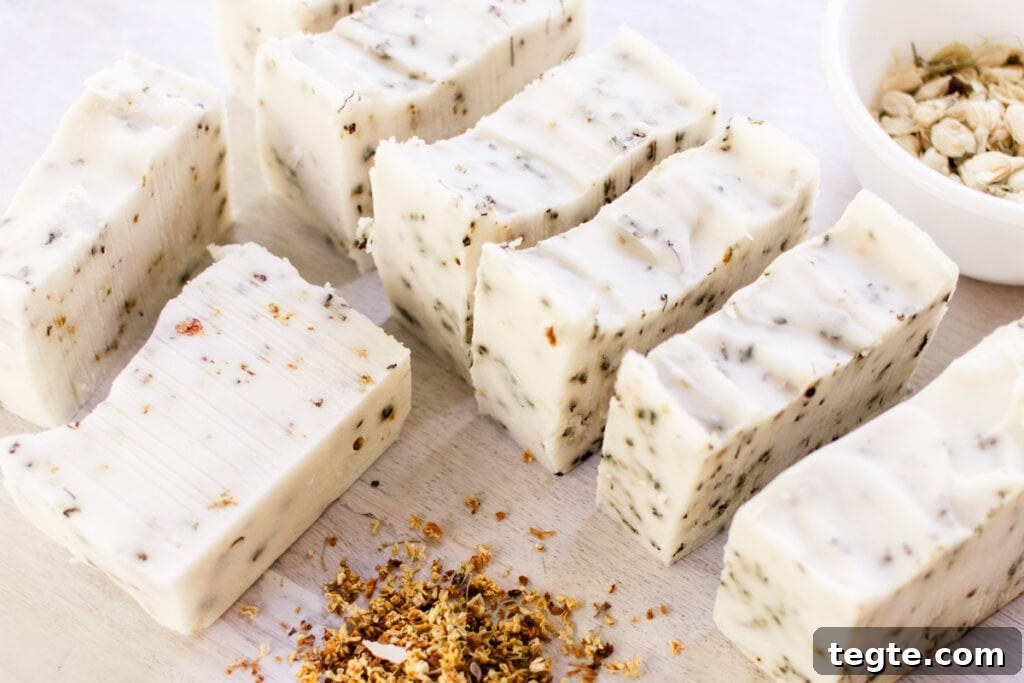
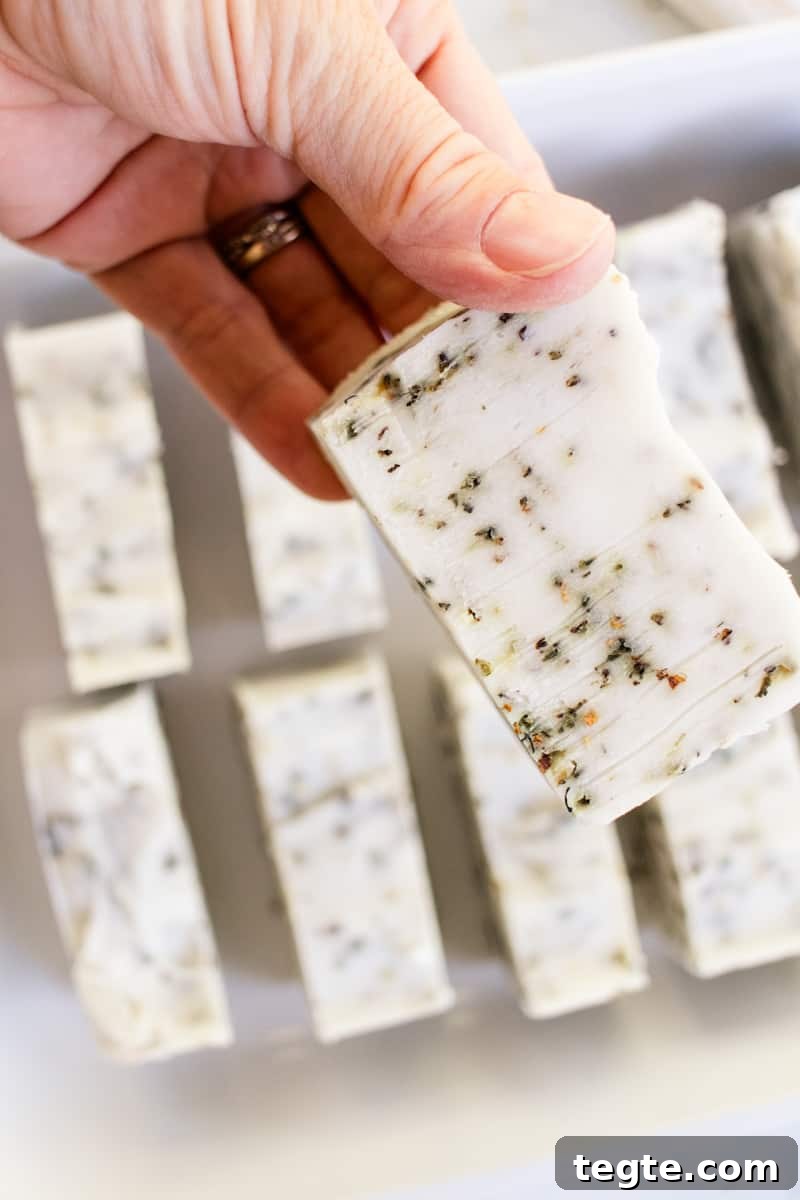
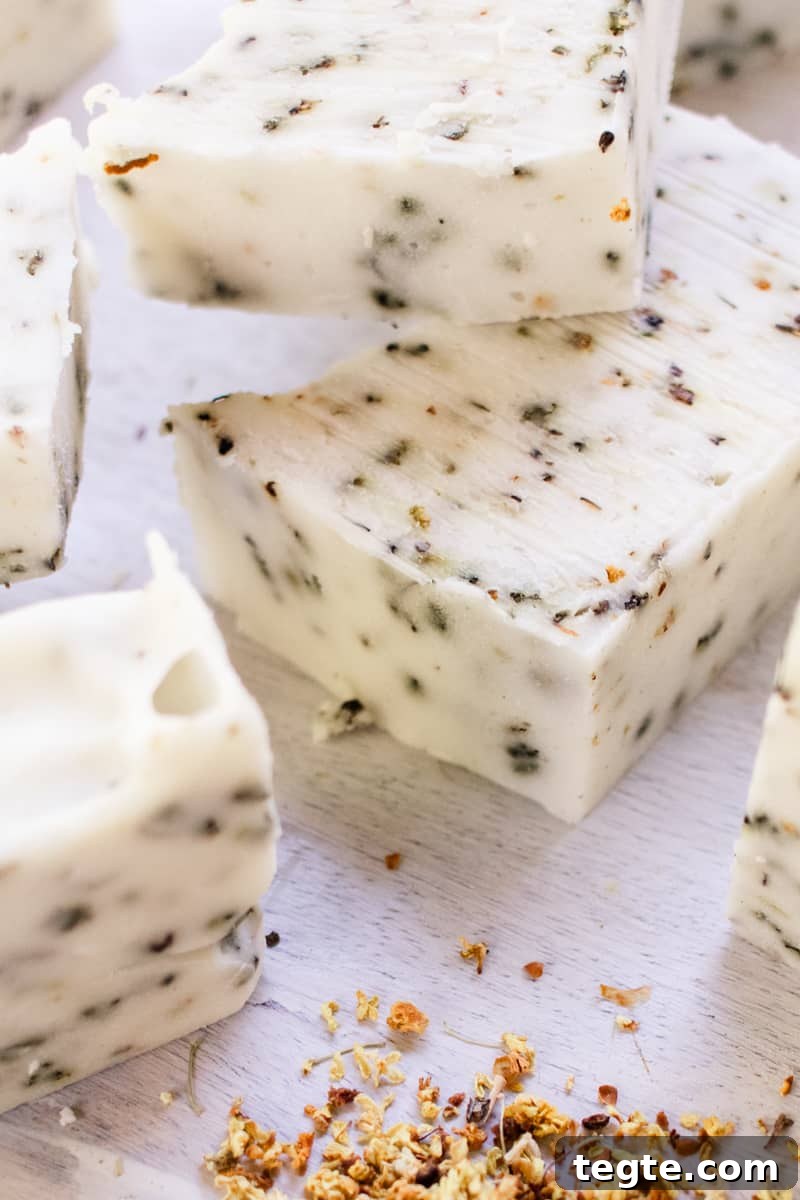
- Unique, handcrafted appearance: Small-batch herbal bars often have rustic textures and visual interest from dried flowers and herbs.
- Gentle and nourishing: This recipe contains moisturizing oils like shea butter and coconut oil, so the bars clean without stripping skin moisture.
- Environmentally friendly: Botanicals and plant oils are biodegradable and better for the planet than many commercial formulations.
Why use herbs in soap?
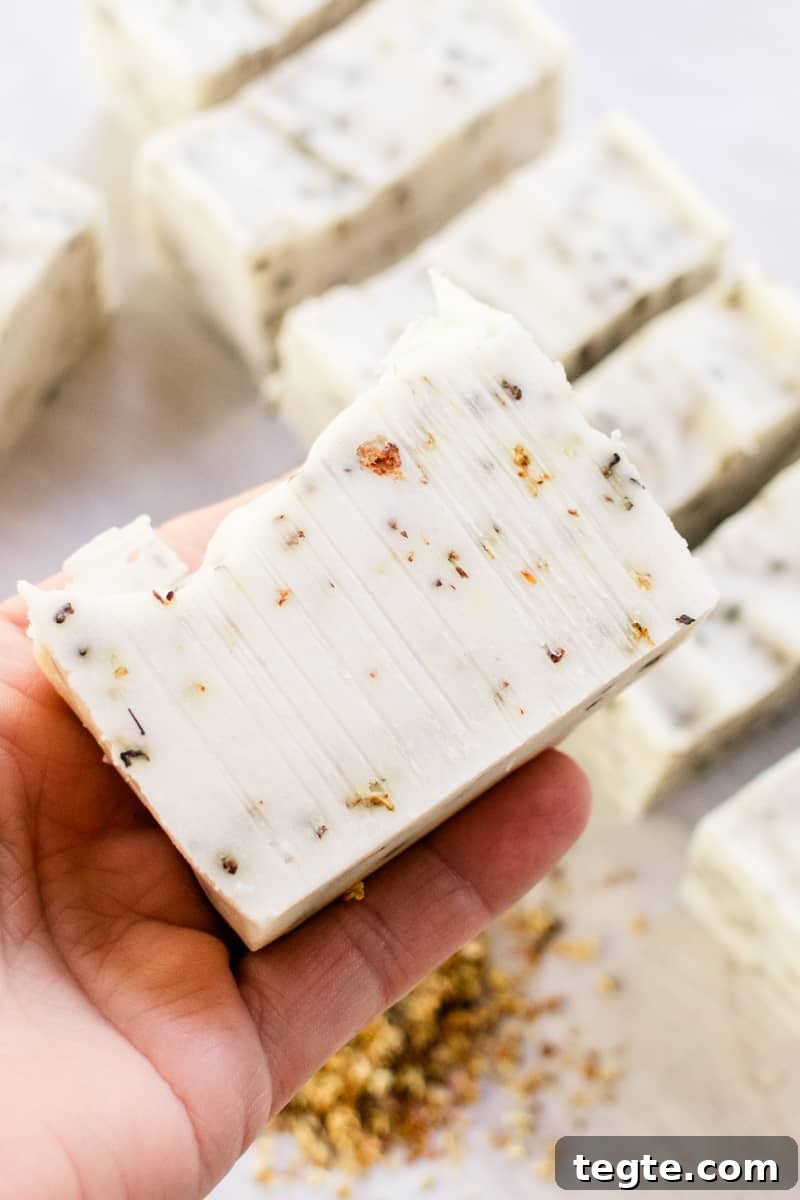
Herbs bring centuries of tradition, scent, and gentle skin benefits to soapmaking. Dried herbs and flowers can add subtle color, texture, and aroma and sometimes offer mild, skin-soothing properties. Because herbs vary widely, you can create many different looks and scent profiles to suit your preferences.
Herbs also pair well with the moisturizing oils used in cold-process soap, producing a functional bar that’s enjoyable to use and attractive to gift.
How to make herbal soap
Ingredients (yields about 10 bars):
- Coconut oil — 10 ounces
- Shea butter — 5 ounces
- Castor oil — 5 ounces
- Sunflower oil — 2 ounces
- Water — 7.18 ounces
- Lye (sodium hydroxide) — 3.21 ounces
Tools needed
- Digital scale
- Heat-resistant mixing bowl or tempered glass container
- Double boiler or equivalent for melting oils
- Soap molds
- Immersion blender and a spoon for stirring
Add-ins
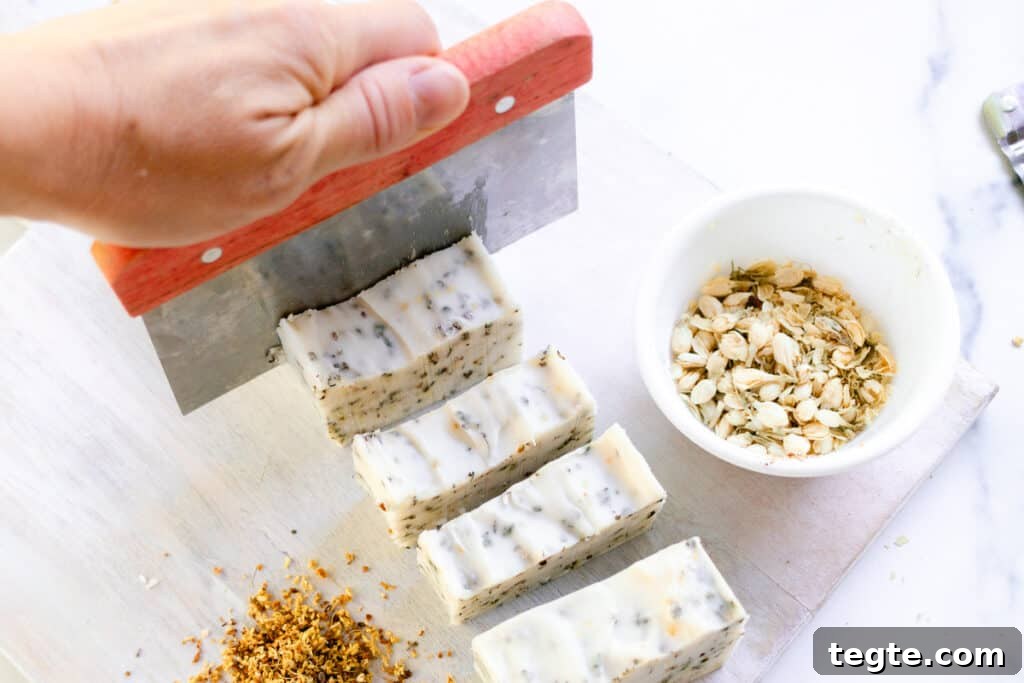
- 2 tablespoons dried osmanthus (or 2 tablespoons of any dried flowers or herbs you prefer)
Note: This recipe uses a 5% superfat. If you change the oils or percentages, recalculate lye and water with a soap calculator before making adjustments.
Instructions
- Work in a well-ventilated area and keep children and pets away. Wear gloves, goggles, and long sleeves; use a mask if needed.
- Weigh all ingredients precisely on a digital scale.
- Pour the water into a heat-resistant glass container.
- Carefully add the lye to the water (always lye into water, never the reverse). Stir slowly until dissolved. Expect the mixture to heat up; avoid splashes and fumes.
- Set the lye solution aside to cool in a safe place out of children’s reach.
- Melt the coconut oil, shea butter, castor oil, and sunflower oil together in a double boiler and then allow the oils to cool to around 100°F (about 38°C) before combining with the lye solution.
- Slowly add the lye/water mixture to the oils, pouring gradually while stirring.
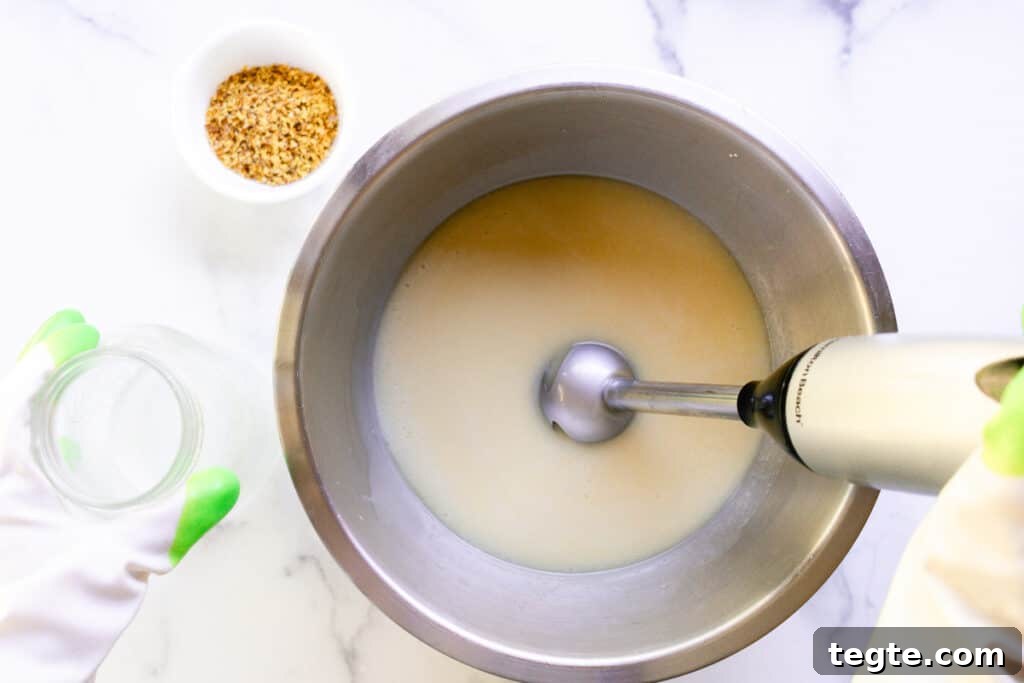
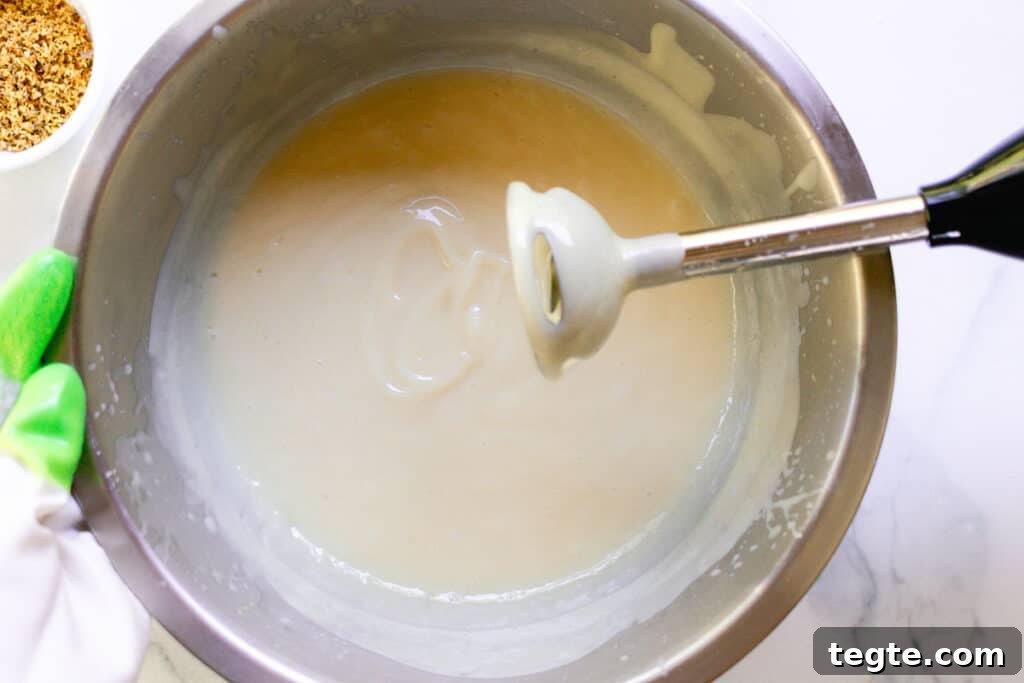
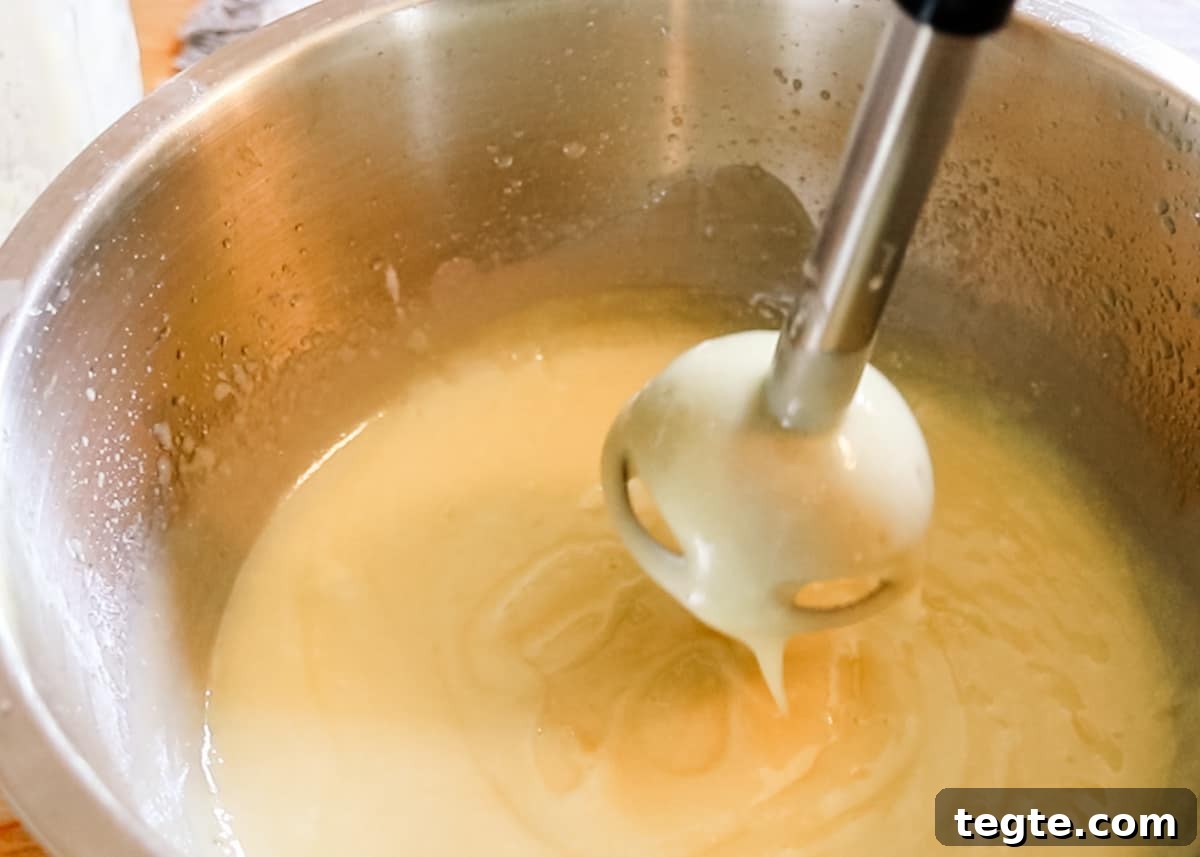
- Use an immersion blender: place it at the base of the bowl, pulse several seconds, then swirl with the blender off. Repeat until the mixture reaches light trace (it thickens and leaves visible lines when drizzled).
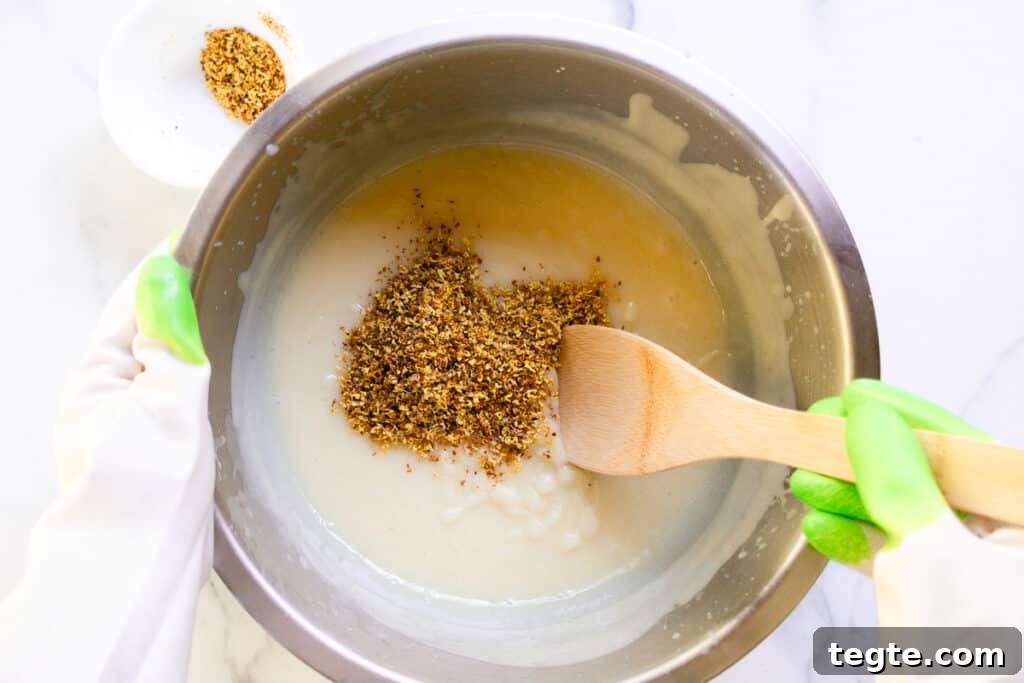
- Stir in the dried herbs so they are evenly distributed.
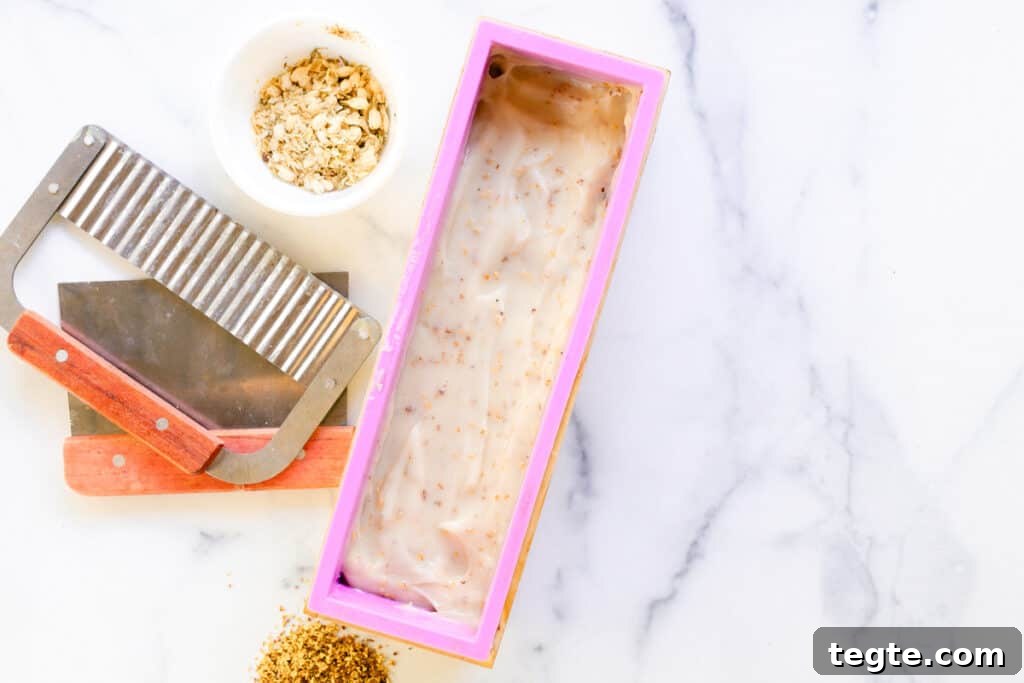
- Pour the batter into your mold and smooth the top if desired. Let the soap sit in the mold for 1–3 days until it’s firm enough to unmold.
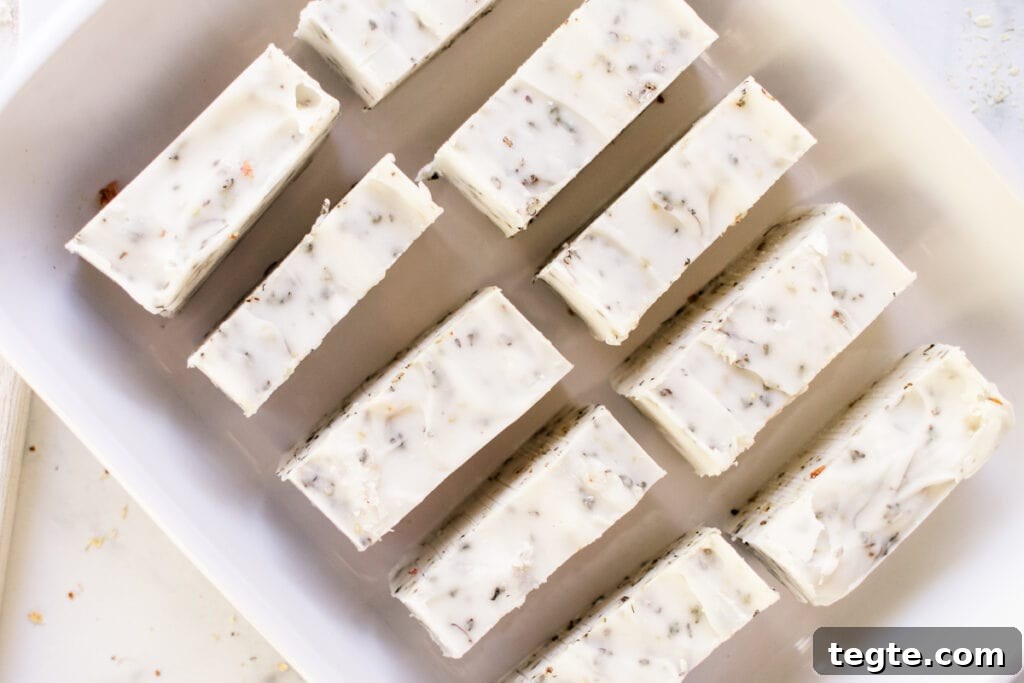
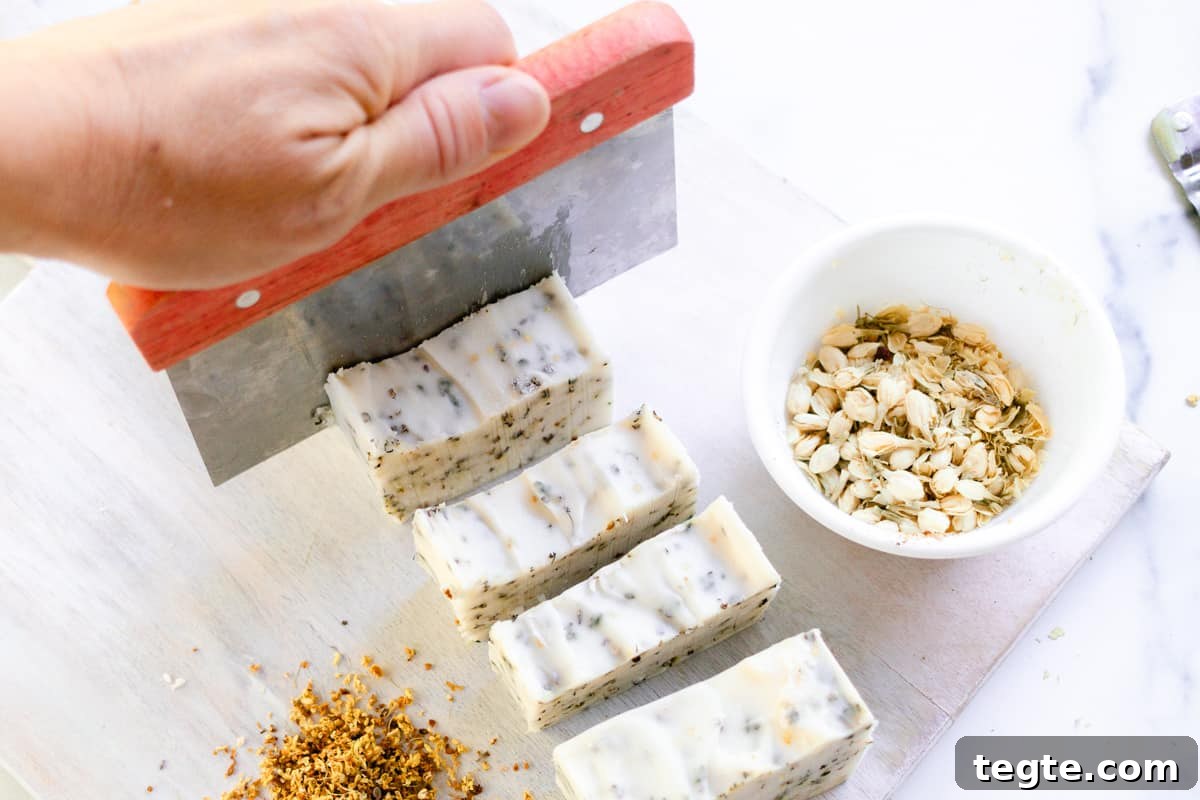
- Remove the soap from the mold, cut into bars, and cure the bars upright or on their sides in a cool, dark, dry place for 4–6 weeks to fully harden and finish saponification.
Top tip: Always add lye to water, never water to lye.
Tips and precautions
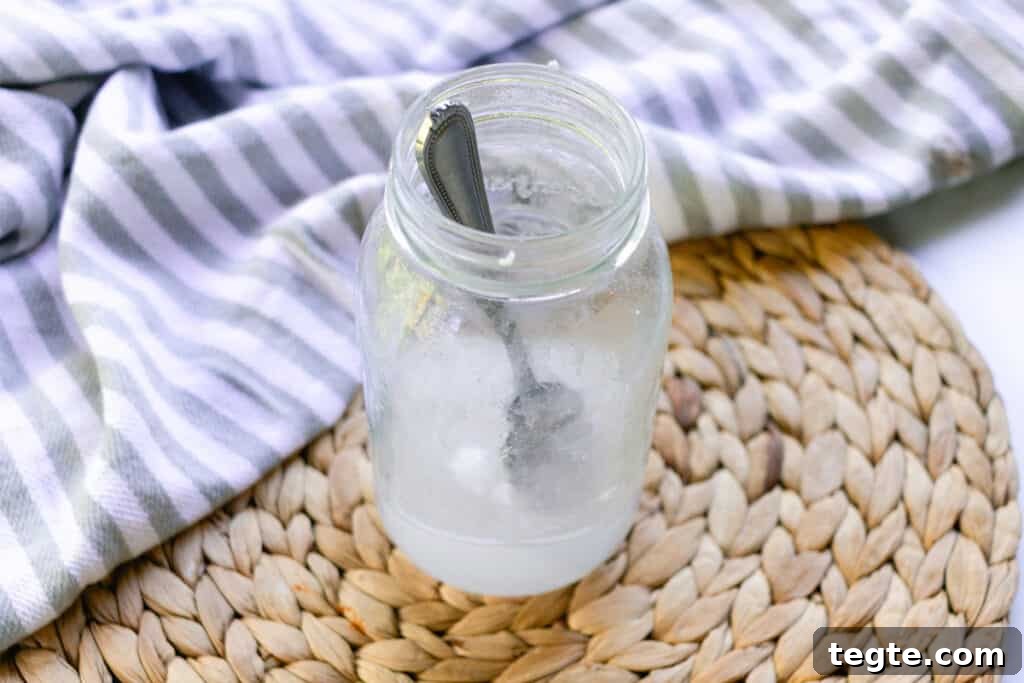
Safety first: Lye reacts vigorously with water and produces heat and fumes. Protect your skin and eyes, work in a ventilated space or outdoors, and keep lye stored safely out of reach.
Use dedicated tools: Keep soapmaking utensils separate from kitchenware to avoid contamination. Avoid aluminum when mixing with lye — choose stainless steel or tempered glass instead.
Monitor curing: If bars dry and crack during cure, move them to a cooler location. Proper curing ensures a hard, long-lasting bar.
What is trace?
Trace describes the point during mixing when oils and lye have emulsified and saponification has begun. The batter thickens and drizzles hold a faint line on the surface — that’s light trace. Trace varies by recipe and technique; aim for a light to medium trace before adding herbs and pouring.
Herbs and flowers to use in soap
Use dried herbs and petals only; fresh botanicals hold water and can cause spoilage. Dried favorites include rose petals, lavender buds, chamomile, osmanthus, pansies, juniper berries, and small fir or pine needles. Choose herbs that match the scent and appearance you want.
Wrapping up
Herbal soap makes a lovely handmade gift when wrapped in greaseproof paper and tied with twine. I enjoy making these bars for gifts and seasonal swaps. If you try this recipe, leave a comment and share how your bars turned out.
If you used this Herbal Soap Recipe or other tutorials, consider leaving a star rating and a short review to help others. Happy soapmaking!
This recipe is for personal use and enjoyment. It is not medical advice; conduct your own tests and research before using or gifting soap.