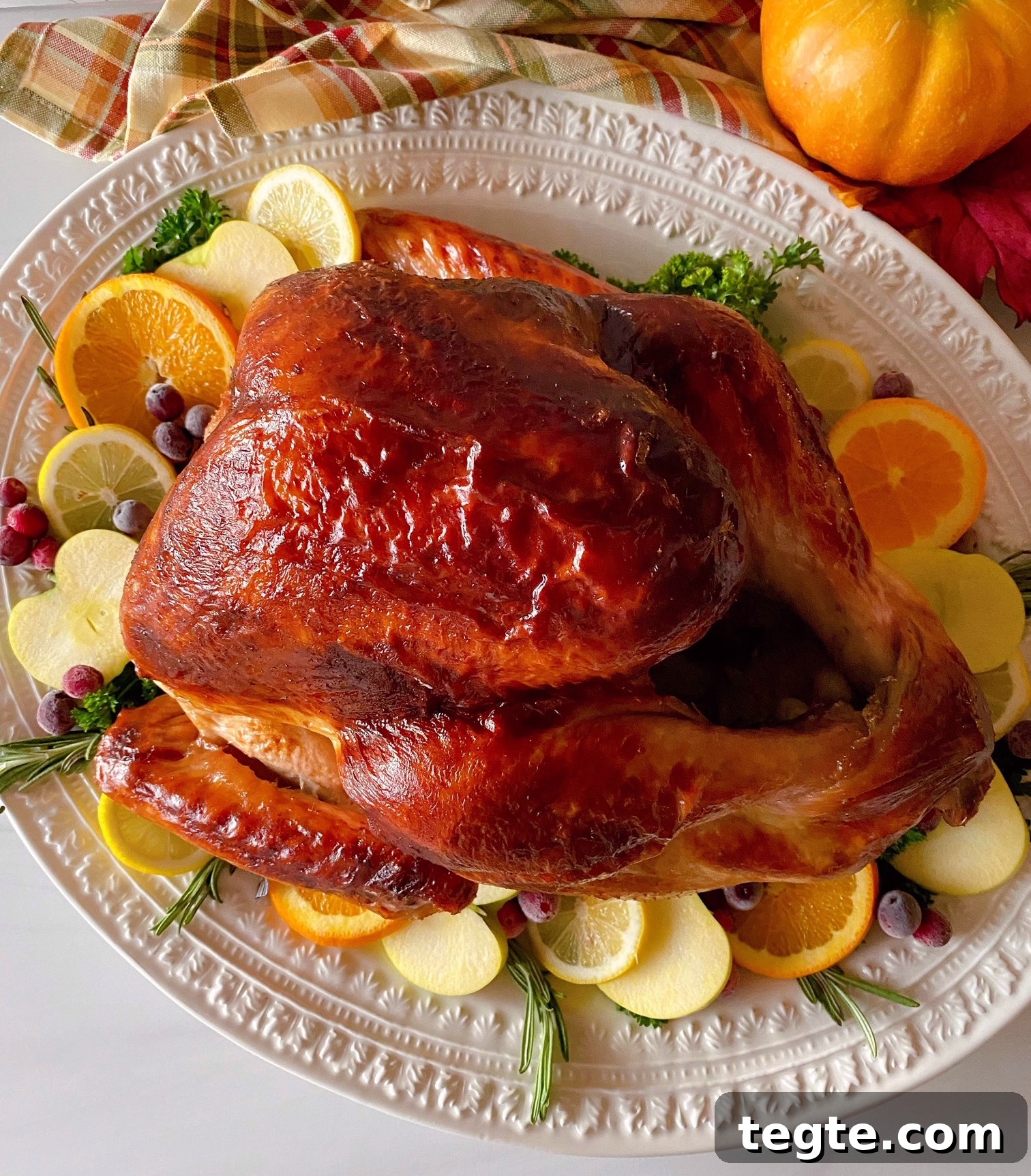
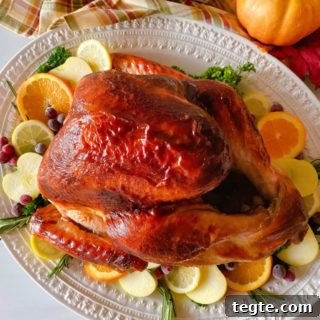
Brined in an apple-citrus herb brine for 24 hours, then basted in a rich white wine and butter mixture, wrapped in cheesecloth, and roasted to a golden finish — this Roasted Thanksgiving Turkey is truly the BEST: tender, moist, and full of flavor. It will be the star of your Thanksgiving feast.
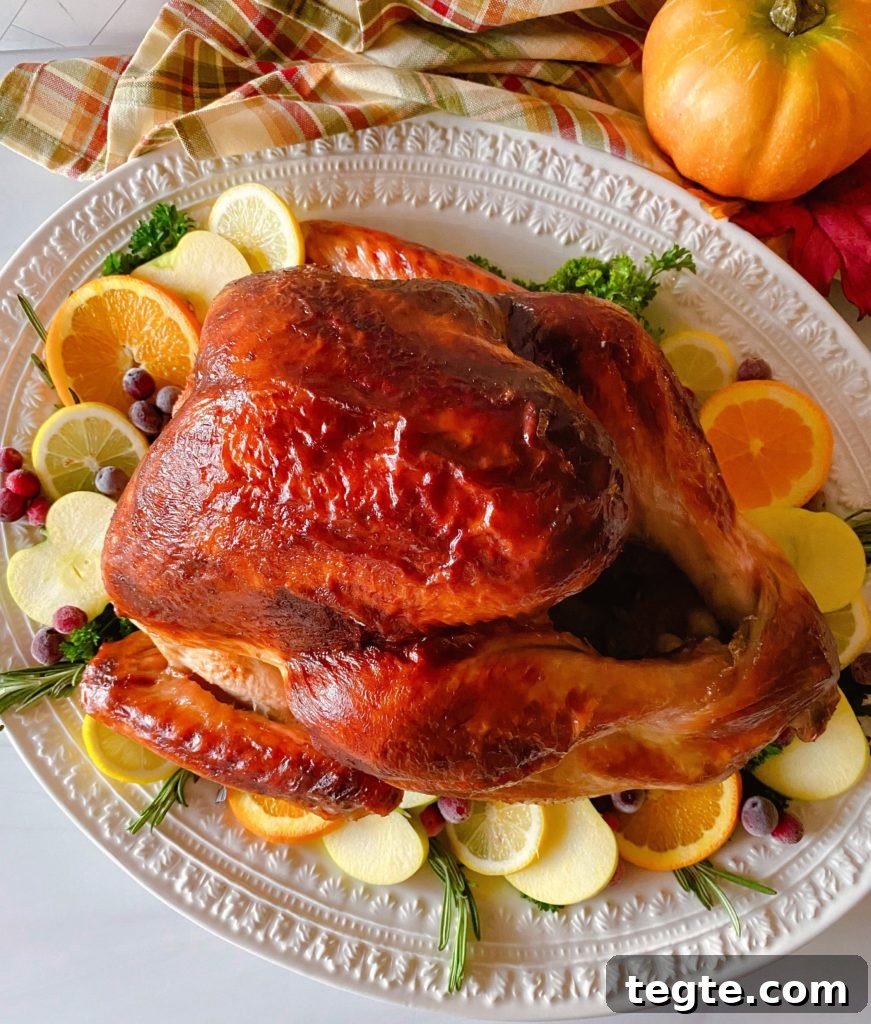
This bird is the result of years of trial and error. After many dry attempts and lots of testing, I developed a reliable method that delivers a golden, crispy skin and juicy, fork-tender meat every time.
The secret is a flavorful apple-citrus spiced brine combined with generous basting in a butter-and-white-wine mixture. The process is straightforward and broken into three manageable segments: brining, roasting, and basting.
Table of Contents
What Makes This The BEST Thanksgiving Turkey?
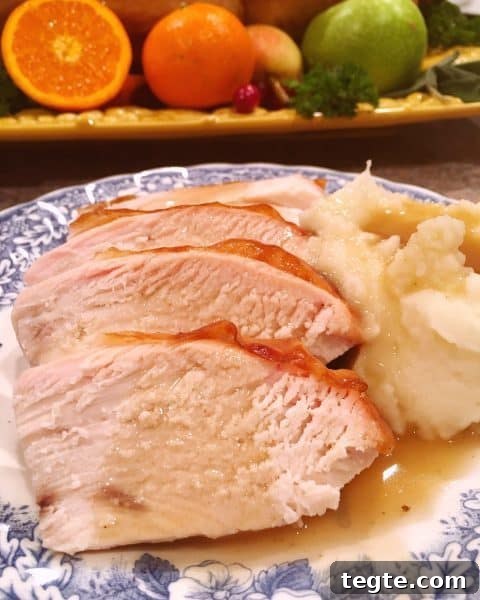
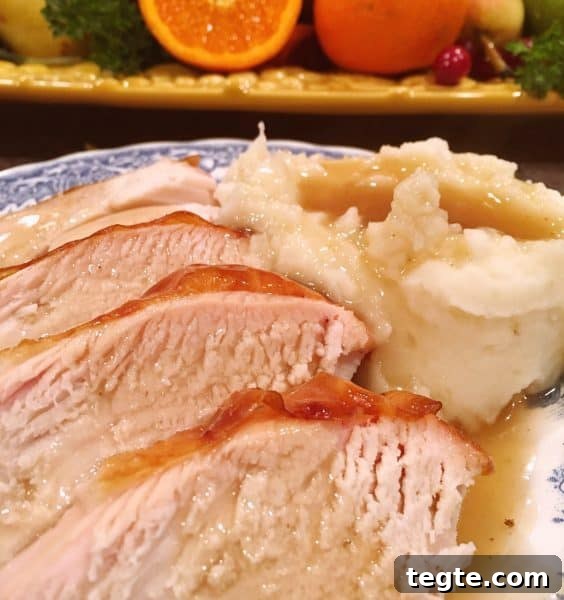
A crisp, evenly browned skin, deeply flavored meat from an apple-citrus herb brine, and hours of basting with a wine-butter mixture produce a turkey that stays moist through carving. The breast becomes so tender it can be pulled apart with a fork. The approach is flavorful yet easy to follow.
How To Make The Perfect Thanksgiving Turkey
Key elements include a well-balanced brine, careful preparation, and consistent basting while roasting. Follow the steps below and you’ll produce a turkey that looks and tastes like a showstopper.
A few tips before you begin
- Choose the right size turkey. A 16 lb turkey serves around 8 adults; 20–22 lb serves 12–14. Plan for leftovers — turkey sandwiches are essential.
- Thaw completely. Thaw in the refrigerator, allowing ample time (several days to a week depending on size).
- Brine the day before. This recipe calls for brining the turkey before roasting. If fridge space is limited, use the ice-chest method described below.
- Stuffing is optional. The recipe covers a stuffed turkey; if you don’t stuff yours, adjust cooking times accordingly and use aromatics in the cavity for flavor.
- Don’t skip basting with wine and butter. The wine adds flavor and helps create incredible pan drippings for gravy.
How To Make Citrus Spiced Brine
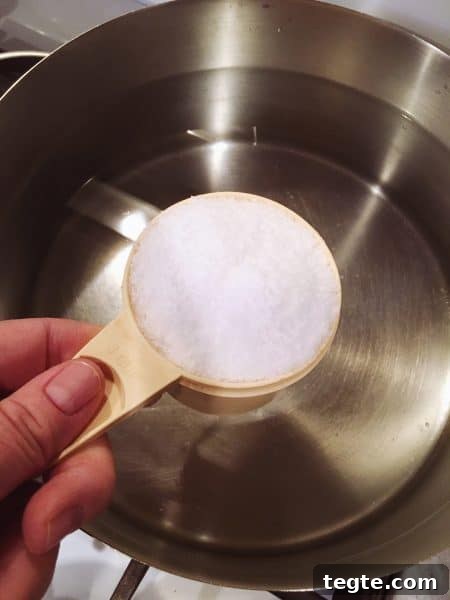
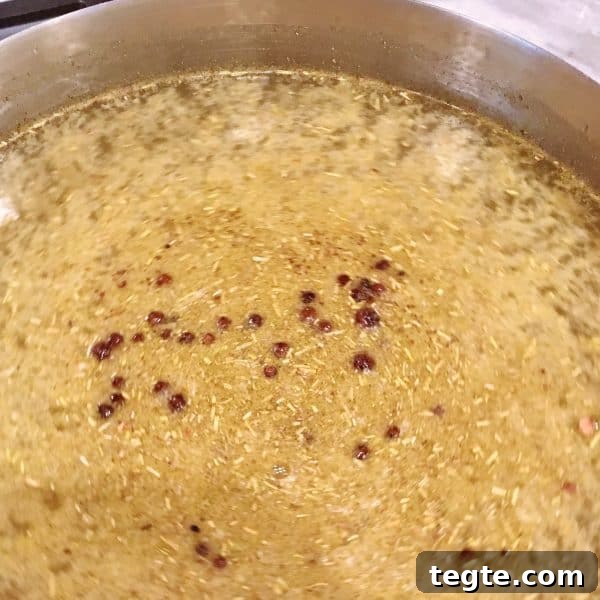
In a large stockpot combine 6 quarts (1½ gallons) of water and 1½ cups coarse kosher salt. Bring to a boil and simmer 15–20 minutes until the salt dissolves.
Stir in 2 cups apple cider and 1½ cups orange juice (with or without pulp). Add 2 teaspoons dried thyme, 2 teaspoons crushed rosemary, and 1½ tablespoons whole allspice. Mix well and allow the brine to cool completely to room temperature before using.
TIP: Make the brine the night before so it has time to cool fully. Cover and refrigerate while it cools.
Preparing Turkey for Brining
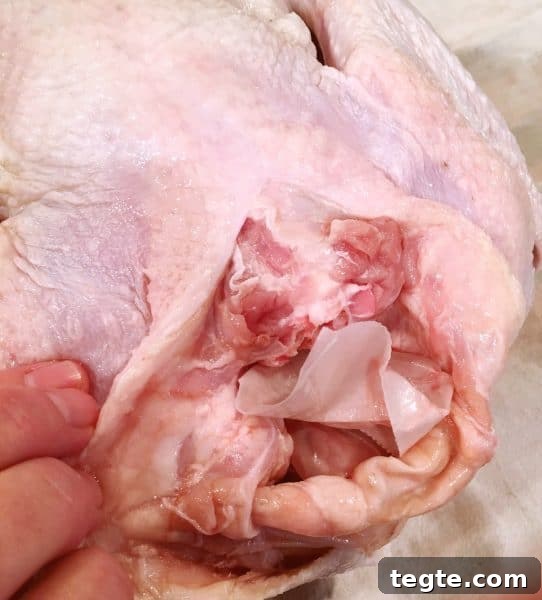
Remove all packaging, take the neck and giblets out of the cavity, and discard or reserve them if desired. Rinse the turkey inside and out and pat dry with clean towels. Work carefully to avoid cross-contamination and sanitize surfaces after handling raw poultry.
How To Brine A Turkey
TIP: If you don’t have room in your refrigerator, use a large food-safe marinating bag and an insulated ice chest to keep the turkey cold while brining.
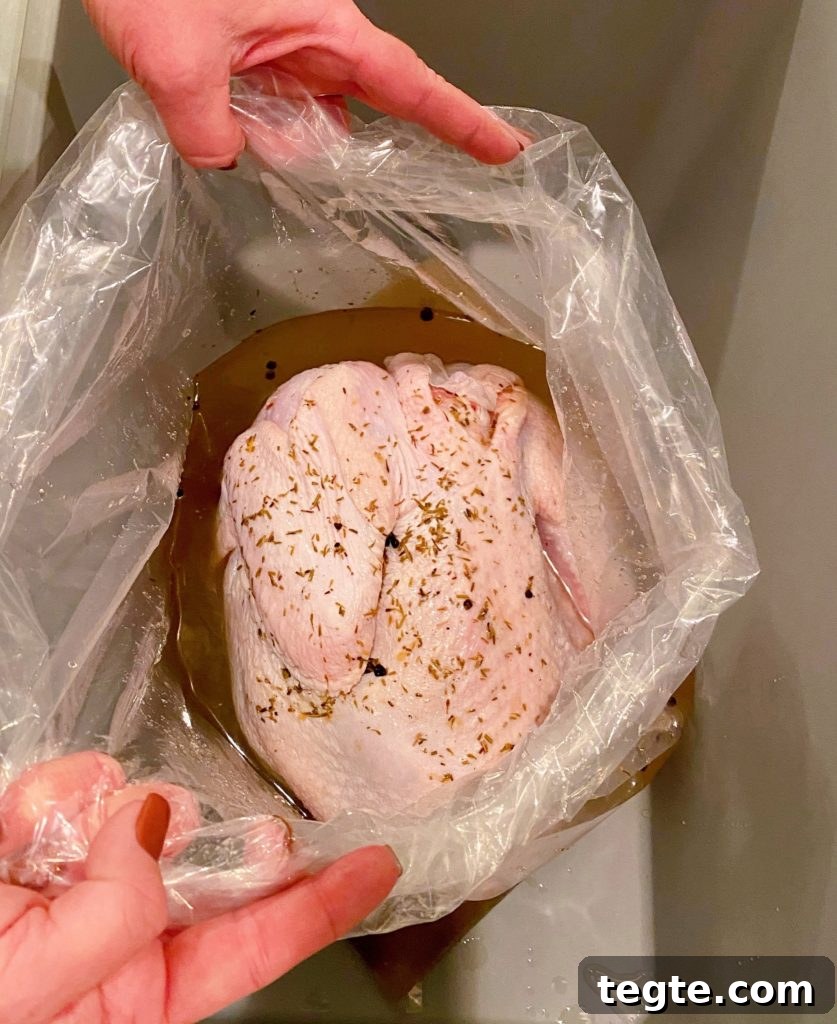
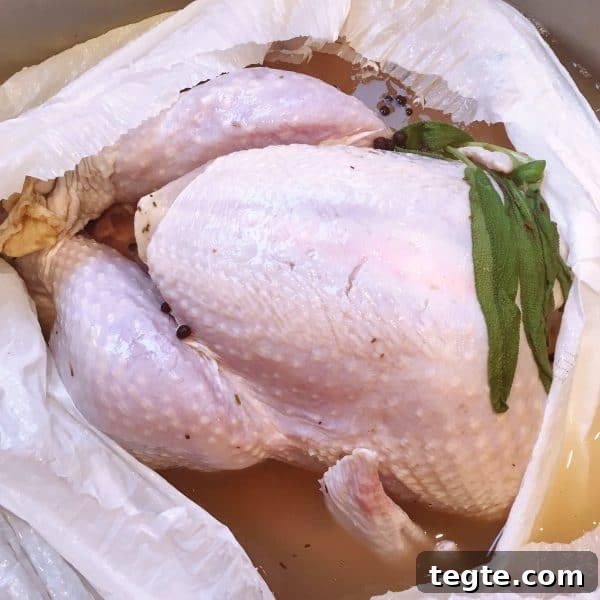
Place the turkey breast-side down in a large marinating bag, add a couple of fresh sage stems, and pour the cooled brine over the bird (you may need a helper to hold the bag open while pouring). If the brine doesn’t fully cover the turkey, add water. Tie the bag securely and surround it with plenty of ice inside the chest. Brine 18–20 hours.
Preparing the Turkey for Roasting
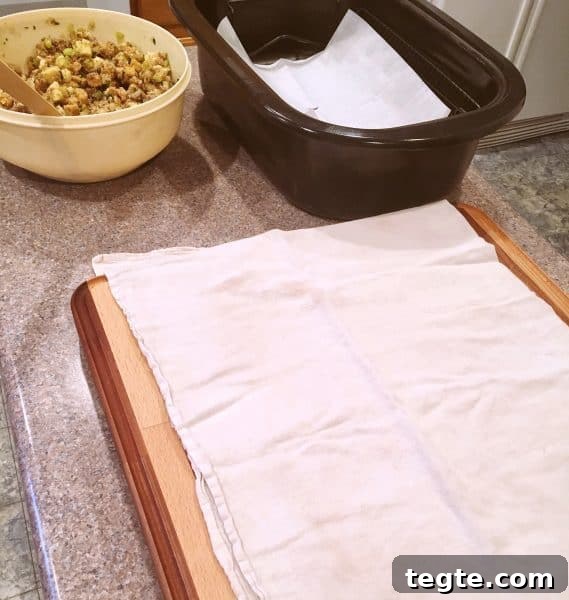
After brining, lift the bag from the ice chest, cut it open, remove the turkey, and rinse thoroughly to remove whole allspice and excess brine. Pat the bird dry on a clean towel. Have your roasting pan, rack, cooking twine or poultry pins, cheesecloth, and stuffing (if using) ready.
How To Dispose of Turkey Brine
Cut open the bag and discard the used brine. Rinse the sink and sanitize surfaces. Place the rinsed turkey on a towel, pat dry, and proceed with stuffing or aromatics in the cavity.
Should I Stuff My Turkey?
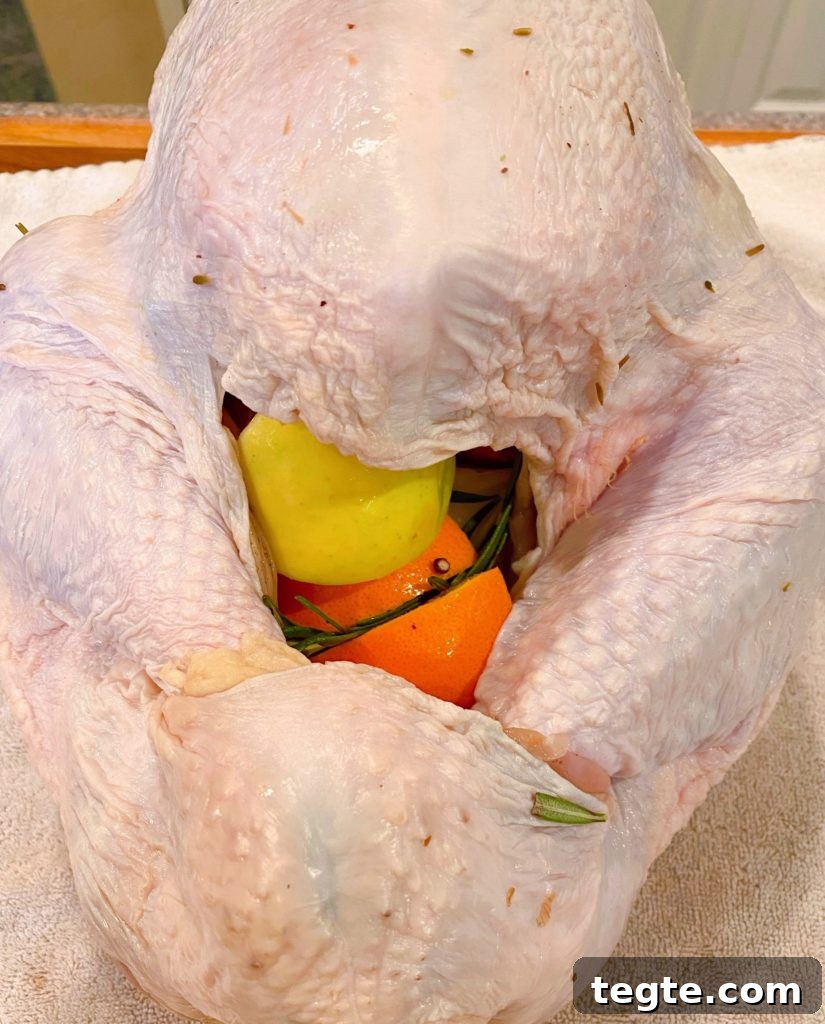
Stuffing is optional. Cooking stuffing inside the bird adds flavor and moisture but increases cooking time. If you choose not to use traditional stuffing, fill the cavity with large onion pieces, orange and apple wedges, and herbs like rosemary and sage to add flavor and help the breast hold its shape.
Stuffing the Neck and Securing the Skin
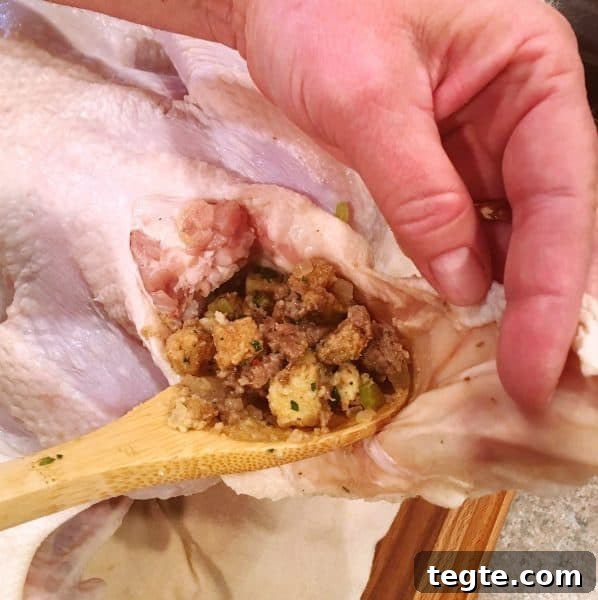
Loosen the flap of skin at the neck opening, stuff loosely (if desired), then pull the skin back and secure with poultry lace pins or butcher’s twine. Tuck wing tips under the bird for even roasting.
Preparing A Turkey for Roasting
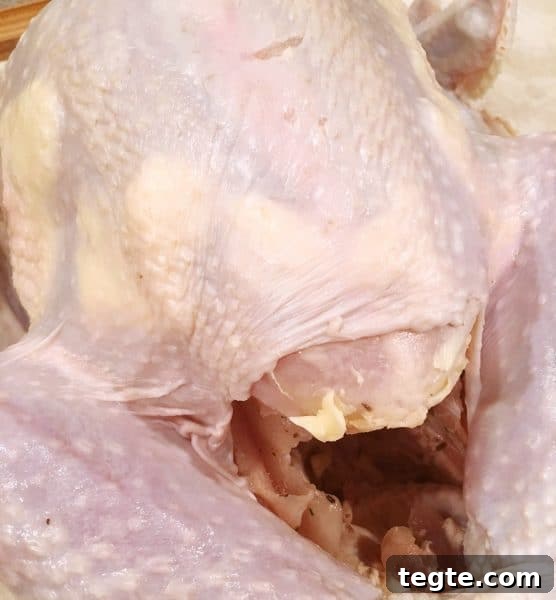
Loosen the skin over each side of the breast and place 4–6 tablespoons of softened butter under the skin on each side. Spread the butter evenly under the skin to keep the breast moist and add richness.
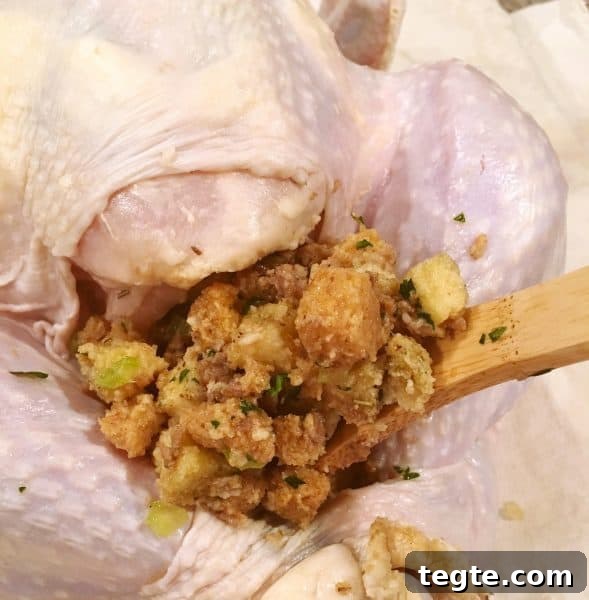
Stuffing the Cavity of the Turkey
Loosely fill the neck and body cavities with freshly made, warm stuffing if you plan to stuff the turkey. Do not pack tightly — allow room for heat circulation.
Basting With Wine Butter
Tuck the wing tips under the turkey, then prepare cheesecloth strips to cover the top of the bird. Fold a yard of cheesecloth into four strips long enough to cover the turkey and layer them to form a “blanket.”
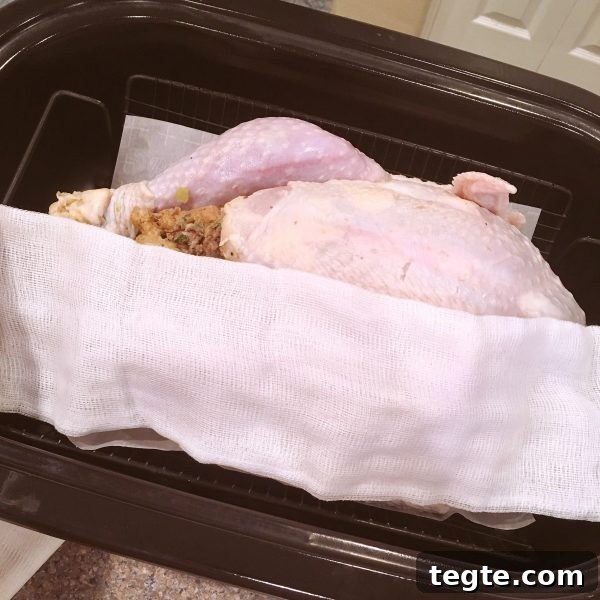
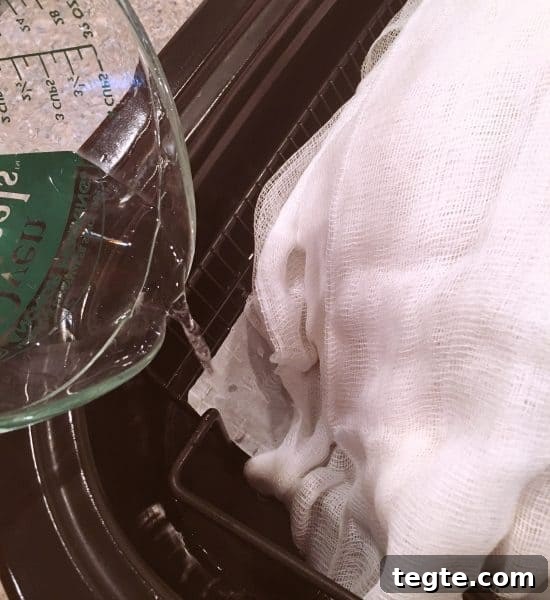
Add 4 cups of water to the bottom of the roasting pan to prevent burning and to create pan juices for gravy. Maintain at least a couple of inches of liquid in the pan during cooking.
Creating Butter-Wine Basting Sauce
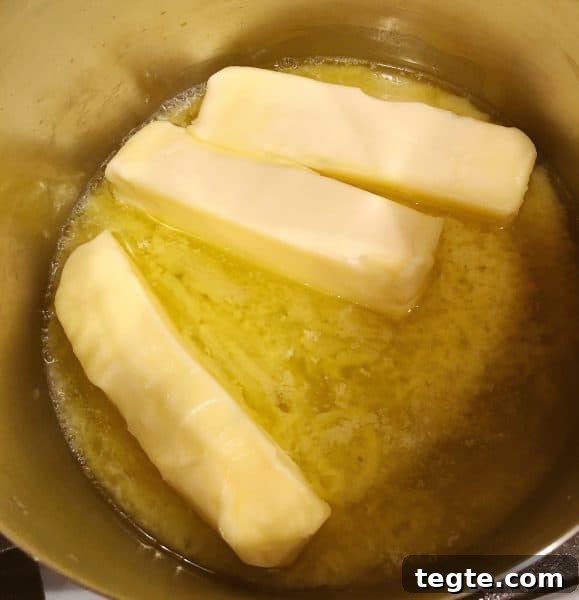
In a large saucepan over medium heat, melt 1 pound (4 sticks) of salted butter. Stir in 6 cups (one 750-ml bottle) of dry white wine and warm gently until combined. Reserve enough of this mixture for multiple bastings.
Lay the layered cheesecloth over the turkey and spoon the butter-wine mixture over it, soaking the cloth. Keep some of the mixture aside to baste during roasting.
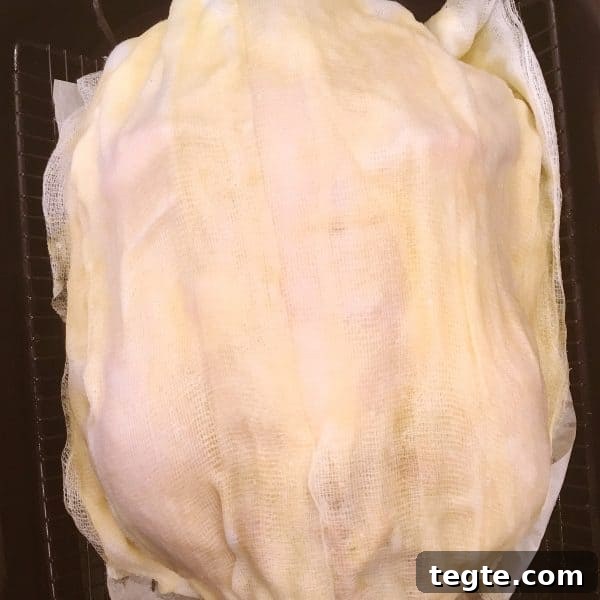
How to Properly Roast A Turkey
Position a rack on the lowest oven level. Preheat oven to 400°F and roast for 30 minutes. Baste the cheesecloth and any exposed areas with the butter-wine mixture, then reduce oven temperature to 350°F and continue roasting.
Baste every 30 minutes, monitoring pan liquid and adding water as needed to keep at least 2 inches of liquid in the bottom of the pan to prevent burning and to ensure ample drippings for gravy. After about three hours, loosen and carefully remove the cheesecloth, then continue basting every 30 minutes until done.
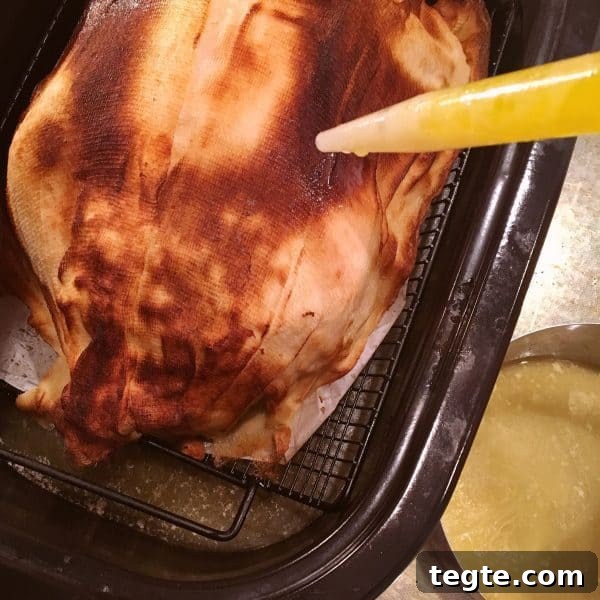
How To Know When Your Turkey is Done!
Around the fourth hour of cooking, insert an instant-read thermometer into the thickest part of the thigh without touching bone. The thigh should reach 180°F; stuffing (if used) should be 140–160°F. If the legs need more time, baste and roast an additional 20–30 minutes.
When finished, transfer the turkey to a platter or cutting board and let rest at least 30 minutes (up to 2 hours if needed) before carving. Resting lets the juices redistribute so the meat stays moist.
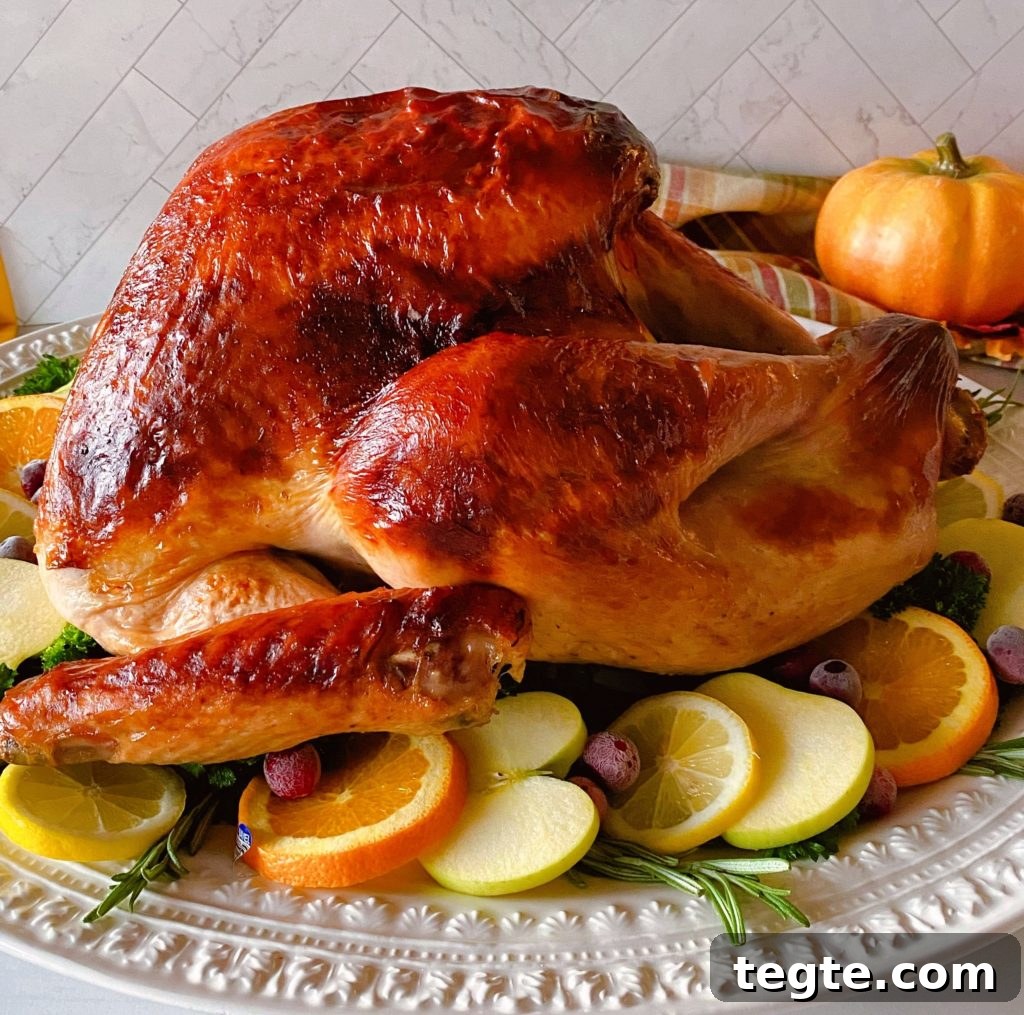
Serving Thanksgiving Roasted Turkey
Carve in the kitchen or bring the whole bird to the table — either way, this turkey will fill the room with a wonderful aroma and plenty of compliments. Garnish as you like with fruit and fresh herbs for a beautiful presentation.
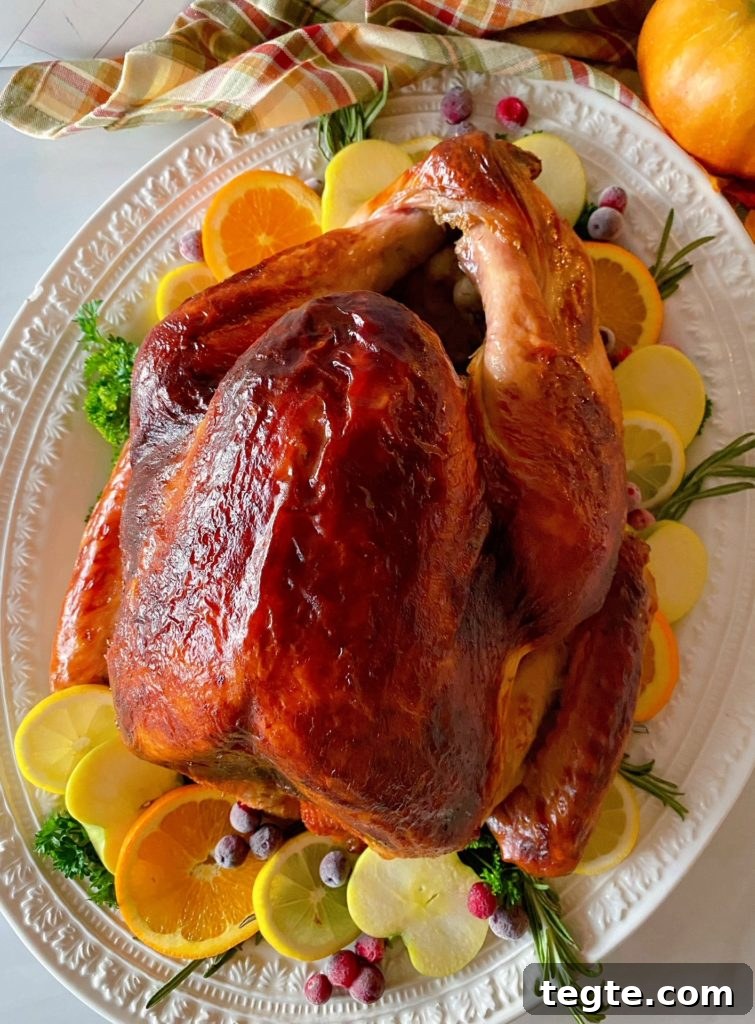
The breast meat stays remarkably moist and melts in your mouth, while the savory notes from the brine and butter-wine baste make each bite truly memorable. Follow the steps and you’ll serve a turkey your guests won’t forget.
Frequently Asked Turkey Roasting Questions and Answers
- Why cover the turkey during roasting? The cheesecloth traps moisture while allowing basting to brown the skin, preventing the meat from drying out.
- How long to roast a turkey? A general guideline is about 13 minutes per pound at 350°F for an unstuffed turkey and 15 minutes per pound for a stuffed turkey. Always confirm with a thermometer.
- When should the turkey come to room temperature before cooking? Remove the turkey from the refrigerator about 30 minutes before roasting to reduce temperature shock in the oven.
- Can I thaw at room temperature? No. Thawing at room temperature is unsafe because it allows bacteria to multiply rapidly.
- Is adding water to the pan necessary? Not strictly, but with the amount of butter used for basting, water prevents burning in the pan and produces more drippings for gravy.
- How often should I baste? Baste every 30–40 minutes. Frequent basting promotes even browning and moisture.
- When should I start cooking? Plan to start 5–6 hours before serving to allow for cooking and resting time.
Best Thanksgiving Side Dish Recipes
- Roasted Butternut Squash Medley
- Sweet Potato Casserole
- Savory Herbed Mashed Potatoes
- Homemade Pan Dinner Rolls
- Fresh Green Bean Casserole
- Homemade Turkey Gravy
- Chef John’s Perfect Mashed Potatoes
I hope this season brings joy, love, and laughter to your table. If you try this recipe and have questions, leave a comment — I’ll respond as quickly as I can. Happy nesting!

Printable Recipe
Best Thanksgiving Turkey
Ingredients
- 1 20–22 lb Turkey, thawed with giblets and neck removed
- 6 quarts water (for brine)
- 1½ cups coarse kosher salt
- 2 cups apple cider
- 1½ cups orange juice (with or without pulp)
- 2 tsp dried thyme
- 2 tsp crushed rosemary
- 1½ tbsp whole allspice
- 1–2 stems fresh sage
- Ice (for ice chest)
- 8 tbsp softened butter (to place under skin)
- 4 cups water (in roasting pan)
- 4 sticks salted butter, melted (for basting)
- 1 750-ml bottle (6 cups) dry white wine
Instructions
- In a large stockpot combine 6 quarts water and 1½ cups coarse kosher salt. Bring to a boil, stirring until salt dissolves. Add apple cider, orange juice, thyme, crushed rosemary, and whole allspice. Stir and cool brine to room temperature.
- Remove giblets and neck from the turkey cavity. Rinse the turkey and pat dry.
- Place the turkey breast-side down in a large food-safe marinating bag. Add a sprig or two of fresh sage. With help, pour the cooled brine into the bag to fully cover the turkey. Tie the bag and place surrounded by ice in a large ice chest. Brine 18–20 hours.
- Prepare your roasting pan, rack, twine or poultry pins, cheesecloth, and stuffing (if using). Have towels ready for cleanup.
- Remove the turkey from the brine, rinse thoroughly to remove whole allspice, and pat dry on a clean towel.
- Stuff the neck cavity loosely if using stuffing. Pull skin over the neck opening and secure with a poultry lace pin or twine. Stuff the body cavity if desired and tie the legs together.
- Slide your hand under the breast skin and place 4 tbsp of softened butter under the skin on each side. Smooth the butter under the skin.
- Preheat oven and position rack on the lowest level. Preheat to 400°F.
- In a large saucepan over medium heat, melt 4 sticks of butter and add the dry white wine. Keep some of this mixture aside for basting.
- Place the turkey breast-side up on the roasting rack in the roasting pan. Pour 4–6 cups of water into the bottom of the pan.
- Cover the turkey with layered cheesecloth. Spoon melted butter and wine over the cheesecloth to soak it. Reserve at least half the liquid for later bastings.
- Roast at 400°F for 30 minutes, basting the cheesecloth. Reduce the oven to 350°F and continue to baste every 30 minutes, adding water to maintain pan liquid and prevent burning. Turn the pan every hour for even cooking.
- After about 3 hours, carefully remove the cheesecloth and discard. Continue basting every 30 minutes; the skin will be fragile as it browns.
- After the 4th hour, check the thigh temperature with an instant-read thermometer (avoid bone). Thigh should read 180°F; stuffing should be 140–160°F. If needed, baste and roast an additional 20–30 minutes.
- When done, transfer turkey to a serving platter or board and let rest at least 30 minutes before carving. Remove stuffing and keep warm separately.