Sour cream can transform baked goods, improving both flavor and texture. When a recipe calls for it, don’t hesitate to use it.
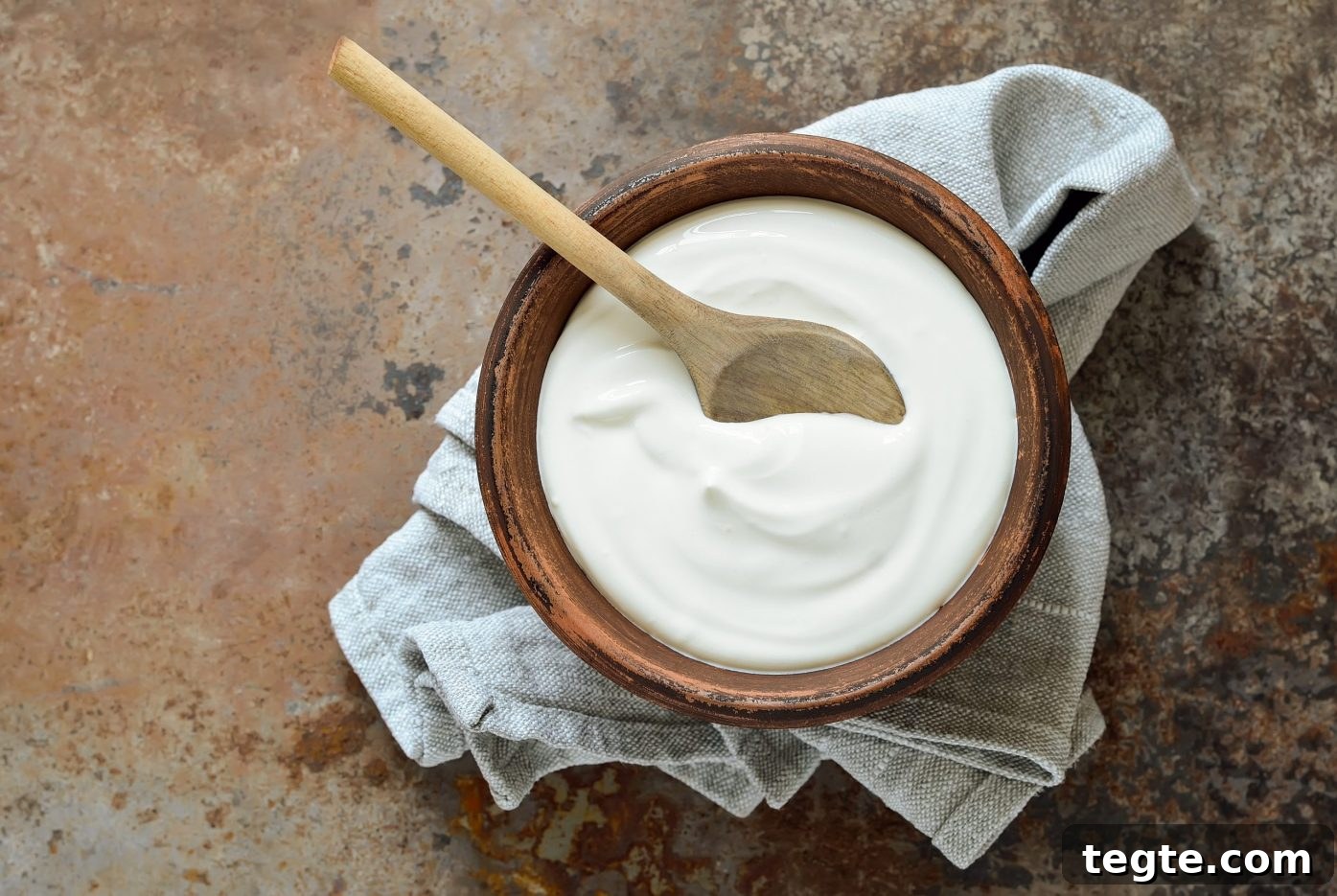
What is sour cream?
Sour cream is a dairy product made by fermenting cream with acid-producing bacteria. These cultures thicken the cream and give it a tangy flavor. It’s distinct from spoiled milk; sour cream is intentionally cultured and safe to eat when fresh.
Over time, sour cream can separate in the refrigerator, producing a thin, milky liquid called whey on the surface. Whey is normal and can be drained or stirred back into the cream with a clean spoon.
How is sour cream used in baking?
Sour cream is a powerful baking ingredient because it brings both fat and acidity, two elements that significantly affect baked products. It’s also a great way to use up sour cream before it expires.
In quick breads like banana bread, sour cream adds a gentle tang and contributes to extra moistness, tenderness, and a light crumb. In cakes, cheesecakes, muffins, cookies, pies, and tarts, sour cream enriches texture and flavor—often resulting in a moist, velvety crumb with a subtle tang.
Moisture
Sour cream provides moisture without thinning batters the way milk or cream might. Because of its thick consistency, it can replace milk, heavy cream, or buttermilk in many recipes to increase moisture while maintaining batter thickness.
Richness
With a relatively high fat content, sour cream contributes creaminess and richness. It’s typically used alongside butter or oil in cakes to enhance tenderness and create a luxurious mouthfeel—particularly helpful for recipes that tend to be drier, such as some sponge or angel food variations.
Acidity
The acidity of sour cream activates baking soda and helps tenderize gluten strands, resulting in a more tender baked good. Its tang also adds a layer of flavor that plain cream or milk can’t provide.
Which sour cream is best for baking?
For best results, use full-fat sour cream (about 14–18% milkfat). The higher fat content contributes moisture and richness that low-fat or fat-free varieties often cannot match. Fat-free or low-fat versions use stabilizers to mimic texture, but they can yield drier, less creamy results in finished baked goods.
While sour cream is calorie-dense and should be consumed in moderation, it is typically low in carbohydrates and may contain beneficial cultures.
Substitutes for sour cream in baking
- Greek yogurt, crème fraîche, mayonnaise, and vegan sour cream — generally 1:1 swaps.
- Buttermilk — use 3/4 cup buttermilk for every 1 cup sour cream.
- Cottage cheese — blend 1 cup cottage cheese with 1/4 cup milk and 2 teaspoons lemon juice to approximate sour cream consistency.
- Cream cheese — thin 1 cup (8 ounces) cream cheese with 2–4 tablespoons milk.
FAQs
Can I use sour cream instead of eggs?
You can substitute sour cream for eggs in many muffin and cake recipes. Use 1/4 cup full-fat sour cream for each egg you omit.
How long does sour cream last after the expiry date?
If stored properly in the refrigerator, sour cream can remain usable for up to three weeks after the sell-by date. Always inspect for signs of spoilage—off smells, visible mold, or an unusually separated, watery consistency are warning signs.
Can you freeze sour cream? How long does it last in the freezer?
Sour cream can be frozen for up to six months, but freezing often alters its texture and may affect flavor. Thawed sour cream can be used in cooked or baked dishes where texture changes are less noticeable.
Is curdled sour cream safe to eat?
Lumps or a curdled appearance usually indicate spoilage and make sour cream unsafe to eat. Note that thawed frozen sour cream may appear curdled even if it was frozen in good condition; in those cases, it’s best used in cooking rather than eaten fresh.
© Beat Bake Eat. All images & content are copyright protected. Unauthorized use and/or duplication of this material without written consent from the site’s author or owner is strictly prohibited.
Follow Beat Bake Eat
for easy baking recipes!
PINTEREST | FACEBOOK
INSTAGRAM | TWITTER