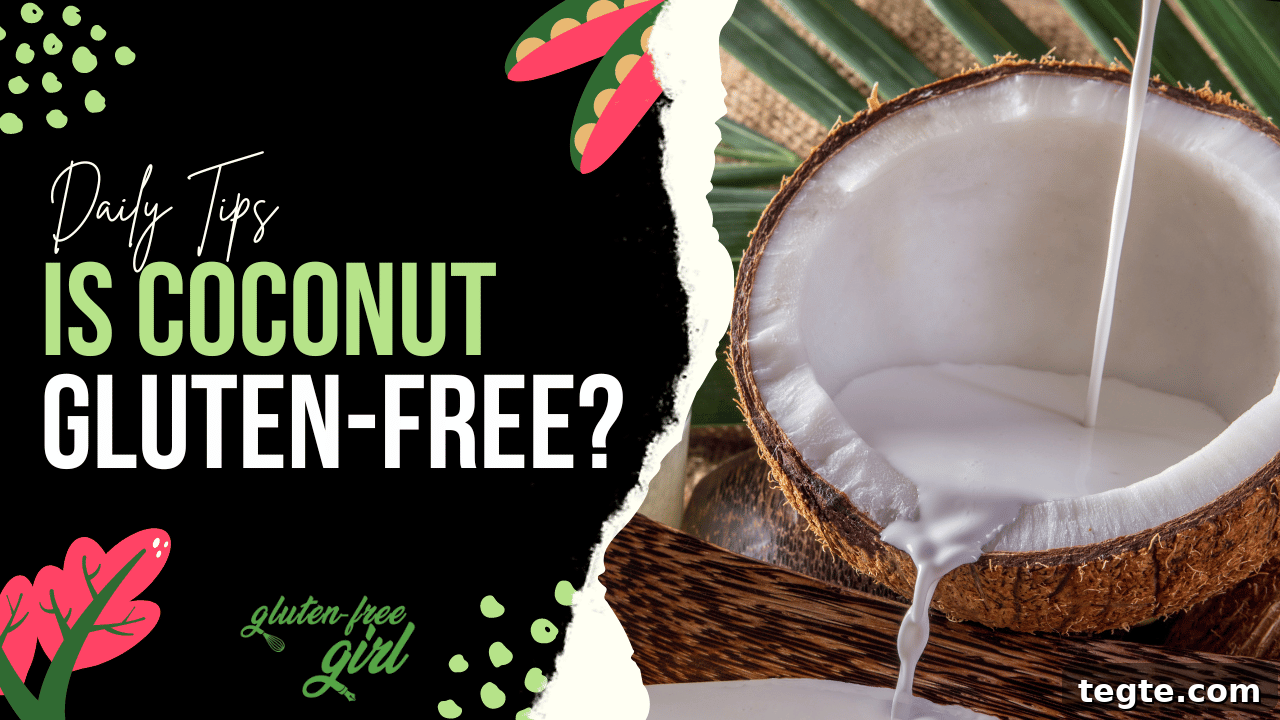
Yes, coconut is gluten-free. Coconut is naturally gluten-free because it is not a grain but the seed of the coconut palm. Gluten is a protein found in grains such as wheat, barley, and rye, and since coconut is botanically separate from these grains, it contains no gluten inherently.
This distinction is important for people with celiac disease, non-celiac gluten sensitivity, or anyone following a gluten-free diet. Celiac disease is an autoimmune condition in which ingesting gluten triggers an immune response that damages the small intestine. People with celiac disease or gluten sensitivity must avoid gluten-containing foods, and coconut provides a safe, versatile option. Coconut-derived products—coconut oil, coconut milk, shredded coconut, and coconut flour—are widely used in gluten-free cooking to add flavor, texture, and healthy fats.
Can a Patient with Celiac Eat Food that has Coconut?
Yes. Patients with celiac disease can eat foods that contain coconut because coconut itself is gluten-free. Many celiac-friendly recipes incorporate coconut flour as a baking substitute and coconut milk as a dairy-free alternative. Coconut flakes and shredded coconut are commonly used as toppings or mix-ins in gluten-free recipes. The choice and frequency of coconut consumption depend on individual preferences and dietary needs.
While coconut is safe, it is still important to verify that processed coconut products have not been cross-contaminated with gluten during manufacturing. Reading labels and choosing certified gluten-free brands when needed helps ensure safety for those with severe gluten sensitivity.
What Gluten-Free Recipes Can You Cook with Coconut?
Here are several popular gluten-free recipes that use coconut:
- Coconut Curry Chicken: Coconut milk or cream forms a rich base for Thai- or Indian-style curries, balancing spices and adding creaminess.
- Coconut Shrimp: Shrimp coated with shredded coconut and fried or baked for a crispy, tropical crust, often served with a sweet dipping sauce.
- Thai Coconut Soup (Tom Kha Gai): A creamy, aromatic soup made with coconut milk, chicken, mushrooms, lemongrass, and lime.
- Coconut Quinoa Salad: Quinoa combined with toasted coconut flakes, fresh vegetables, herbs, and a coconut-based dressing for texture and flavor.
- Coconut-Crusted Fish: Fish coated in shredded coconut for a crunchy, flavorful crust—an excellent gluten-free alternative to traditional breading.
- Coconut Flour Pancakes: Pancakes made with coconut flour for a gluten-free breakfast option with a subtle coconut taste.
- Coconut Chia Pudding: Chia seeds soaked in coconut milk with a sweetener like honey or maple syrup for a creamy, dairy-free pudding.
- Coconut Almond Energy Bites: No-bake bites combining shredded coconut, almond butter, honey, and other wholesome ingredients for a quick snack.
How are Coconut Gluten-Free?
Coconuts are gluten-free because they do not contain the gluten proteins found in certain cereal grains. The edible part—coconut meat—along with derived products such as coconut milk, coconut oil, and coconut flour are free from gluten by nature. These products can be safely included in gluten-free diets, offering texture, flavor, and nutritional benefits like healthy fats and fiber.
Is Coconut Milk Gluten-Free?
Yes, coconut milk is gluten-free. It is made by blending coconut meat with water and straining the mixture. Because its base ingredient is coconut, coconut milk contains no gluten. However, when buying packaged or flavored coconut milk, check labels for additives or cross-contamination warnings if you require strict gluten-free assurance.
Are Coconut Oil Supplements Gluten Free?
Pure coconut oil and supplements made only from coconut oil are inherently gluten-free. Still, consumers with celiac disease or severe gluten sensitivity should check labels and choose products from manufacturers that confirm gluten-free processing to reduce the risk of cross-contamination or added ingredients containing gluten.
How do you keep Coconut Dishes Gluten-Free?
To keep coconut dishes gluten-free, follow these practical steps:
- Select certified gluten-free ingredients: Choose coconut products labeled gluten-free when possible.
- Read labels carefully: Avoid products with wheat, barley, rye, or related derivatives.
- Use dedicated utensils and surfaces: Prevent cross-contamination by separating gluten-free tools from those used with gluten-containing foods.
- Avoid gluten-containing sauces: Use gluten-free soy sauce or tamari and check spice blends for hidden gluten.
- Consider homemade alternatives: Make your own coconut flour or mixes to control ingredients and cleanliness.
- Use gluten-free thickeners: Substitute cornstarch or arrowroot for wheat flour when thickening sauces or soups.
- Clean thoroughly: Wipe counters and wash utensils before preparing gluten-free coconut dishes.
- Ask when dining out: Confirm preparation methods and cross-contamination procedures with restaurant staff.
Is the Coconut Water Gluten-Free?
Yes, coconut water is naturally gluten-free. It is the clear liquid inside young coconuts and contains no gluten proteins. Coconut water is a safe hydration option for people on a gluten-free diet.
Are Coconut Cocktails Gluten-Free?
Many coconut-based cocktails are gluten-free, since core ingredients like coconut milk, coconut cream, rum, and fruit juices do not contain gluten. Pure distilled spirits such as rum are typically gluten-free, but flavored or spiced varieties and some mixers can contain gluten. To be safe, choose certified gluten-free alcohol and mixers, use fresh garnishes, and ensure glassware and bar tools are clean to avoid cross-contamination.
How is Coconut Best for Latent Celiac Disease?
For people with latent celiac disease—those genetically predisposed but not currently symptomatic—coconut is a useful ingredient because it is naturally gluten-free and nutrient-dense. Coconut flour, coconut milk, and coconut oil can replace gluten-containing ingredients in many recipes. Coconut provides fiber, healthy fats (including medium-chain triglycerides), and minerals, helping create satisfying, safe meals while reducing the risk of triggering celiac-related damage.
How can Coconut Contain Gluten?
Although coconut itself contains no gluten, contamination can occur in several ways:
- Cross-contamination during processing in facilities that also handle gluten-containing grains.
- Flavored or sweetened coconut products that include gluten-containing additives, stabilizers, or coatings.
- Pre-packaged mixes or blends that include wheat or other gluten-containing flours.
- Processing aids or anti-caking agents that may contain gluten in some products.
- Poor handling or processing practices at local markets or unverified sources.
How Can You Prevent Gluten Cross-Contamination in Dishes Using Coconut?
Prevent cross-contamination by keeping separate utensils and cookware, thoroughly cleaning surfaces and tools before preparing gluten-free foods, storing gluten-free ingredients separately, and avoiding shared containers for gluten and gluten-free products. When eating out, ask about food handling practices and request dedicated preparation areas or tools if needed.
Are Coconut Desserts Gluten-Free?
Many coconut desserts are naturally gluten-free—examples include coconut macaroons, bars made mainly from shredded coconut, and various coconut-based confections. However, always check labels for added ingredients or coatings that may contain gluten. Look for clear gluten-free labeling or contact manufacturers for their testing and cross-contamination practices when in doubt.
Are Processed Sugar Made from Coconut Gluten-Free?
Coconut sugar, produced from the sap of the coconut palm, is naturally gluten-free. As with other processed products, check packaging for allergen statements or gluten-free certification if strict assurance is required. Contact manufacturers if you have concerns about their facilities or potential cross-contact.
Are Coconut Wines Gluten-Free?
Coconut wine—fermented from coconut palm sap—is inherently gluten-free because grains are not part of its production. Still, flavored or blended varieties may include other ingredients, so read labels and seek products with clear gluten-free claims or contact the producer for confirmation when necessary.
Are Coconut Flour Gluten-Free?
Yes. Coconut flour, made from dried, defatted coconut meat, is a gluten-free, high-fiber alternative to wheat flour. It works well in baking, as a coating for fried foods, and as a thickener for sauces and soups. For best results in recipes, follow recommended ratios and recipes designed for coconut flour, as it absorbs more liquid than grain flours.
Are Coconut Candies Gluten-Free?
Many coconut candies—such as coconut macaroons and coconut-based bars—are gluten-free when made from shredded coconut, sugar, condensed milk, and other gluten-free ingredients. Always read labels to confirm that no gluten-containing additives, coatings, or processing steps are involved. When in doubt, choose products labeled gluten-free or contact the manufacturer for clarification.