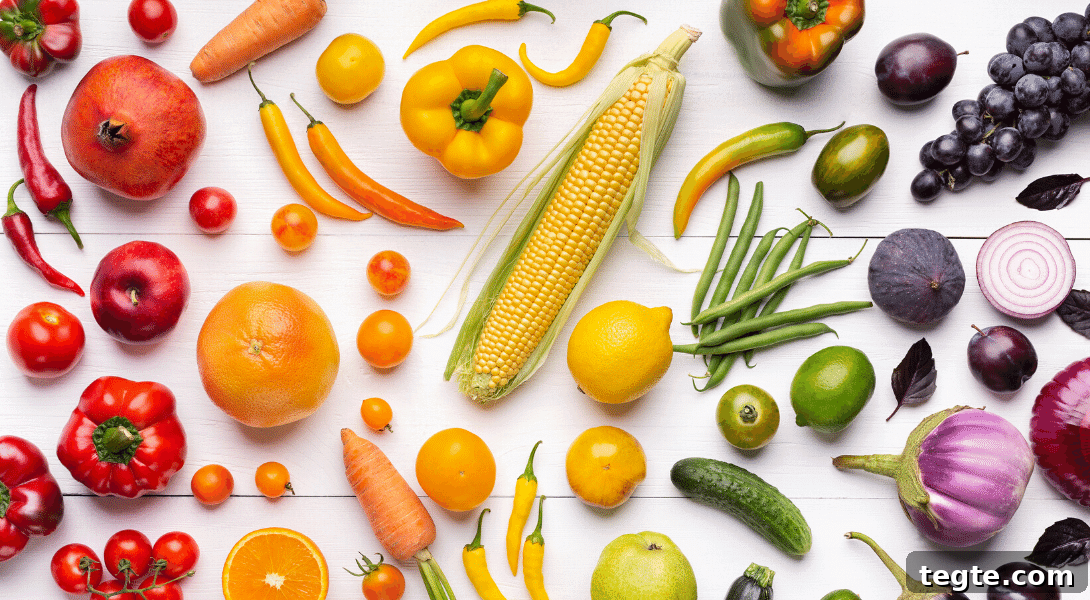
The Produce Moms founder, Lori, is an ambassador for the Produce for Better Health (PBH) Foundation. Together we can eat more fruits and veggies! #HaveAPlant. This month, we’re talking about where to store fruits and vegetables.
Shriveled root vegetables, sprouted onions, and moldy berries are all too common in many kitchens. Forgotten purchases or improper storage often lead to wasted produce. You are not alone: the National Resource Defense Council estimates that up to 40% of harvested food in the United States goes uneaten and ultimately to waste.
Storing fruits and vegetables correctly is one of the best ways to reduce food waste and save money. When produce is kept in the right environment it stays fresher longer and tastes better.
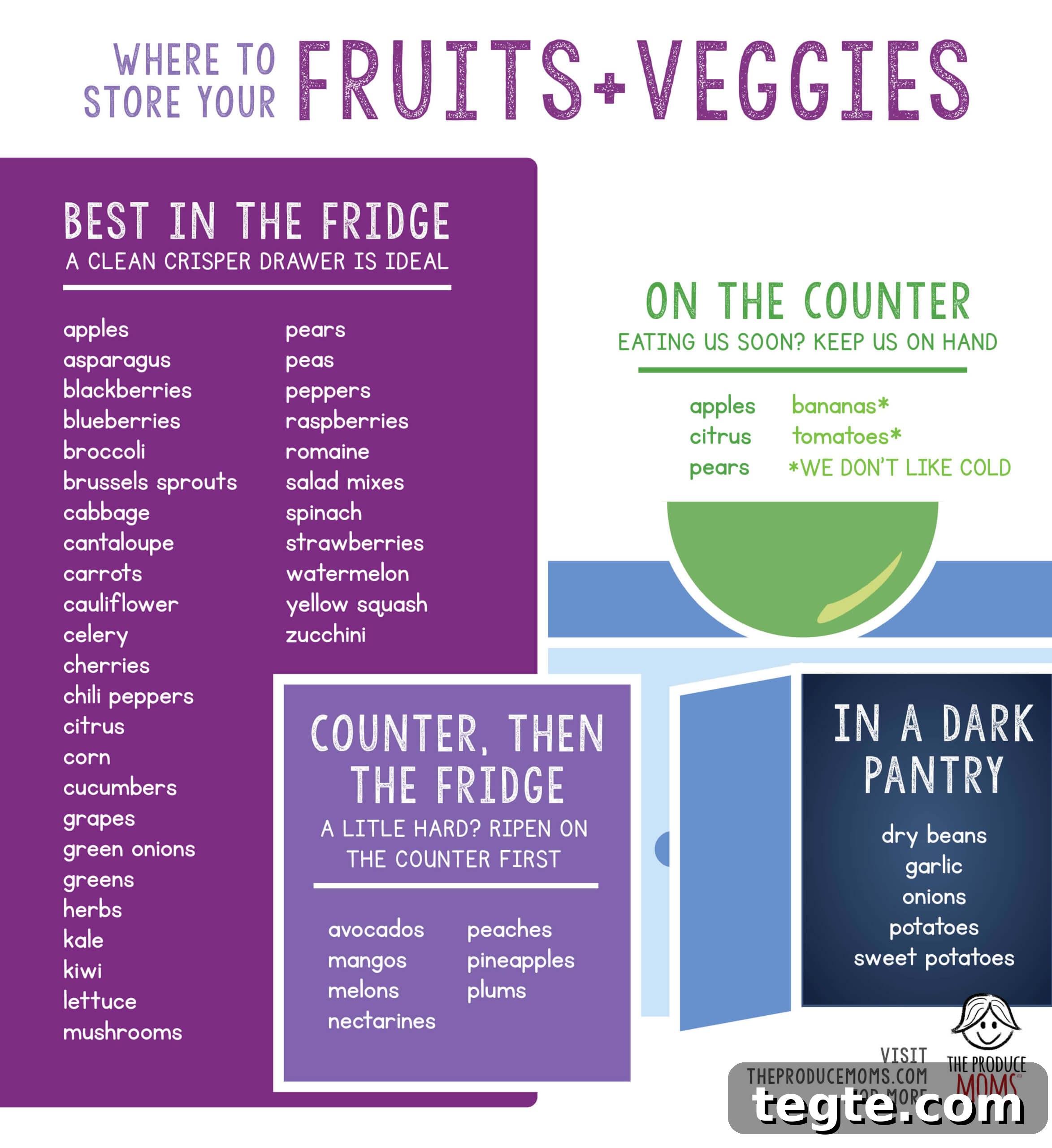
Where to Put Your Produce
On the Counter:
Bananas and tomatoes are warm-season crops and do not like cold temperatures after harvest. Keep them at room temperature in a fruit bowl or on the counter for up to a week. Refrigeration can cause bananas to brown and tomatoes to become mealy.
Fridge First, Then Counter:
Watermelon, peach, pear, apricot, plum, and persimmon last longest when stored in the refrigerator after harvest. These fruits can keep well for one to two weeks chilled, but for the best flavor remove them from the fridge one to two days before eating—room temperature enhances their sweetness.
Keep in mind that pears need to ripen at room temperature. Don’t refrigerate unripe pears; place them in a bowl at room temperature near other ripening fruit such as bananas, which give off ethylene gas that speeds ripening.
Citrus stays fresh in a clean crisper drawer where it’s protected from cross-contamination. If you prefer citrus at room temperature, a bowl on the counter is perfectly fine and keeps healthy snacks within easy reach.
Counter, Then Fridge:
Avocados, mangoes, melons, nectarines, peaches, pineapples, and plums may still be firm when you bring them home. Let them ripen on the counter or in a bowl before transferring to the refrigerator.
In a Dark Pantry:
Potatoes, sweet potatoes, dry beans, onions, shallots, garlic, and winter squash prefer cool, dark, and dry conditions. Store these items separately from one another in a pantry or ventilated produce box away from direct sunlight. Properly stored, they can remain good for four weeks or more.
RELATED: How to store potatoes & sweet potatoes
Best in the Fridge:
Apples, grapes, strawberries, cherries, and corn keep best when refrigerated. Apples can stay fresh for four weeks or longer in the fridge. Grapes, strawberries, cherries, and corn generally stay good for one to two weeks when chilled. These items do not require drawer space; an open shelf works fine.
In Fridge Drawers:
Asparagus, beets, broccoli, Brussels sprouts, cabbage, cauliflower, celery, celery root, citrus, cucumber, eggplant, fennel, green beans, herbs, leafy greens, mushrooms, peas, peppers, and scallions are best kept in refrigerated crisper drawers. Aim to keep your refrigerator at or below 40°F to preserve freshness without freezing produce.
If your fridge has multiple crispers, use the low-humidity setting in one drawer and the high-humidity setting in the other. Thin-skinned items like leafy greens and herbs do better in high humidity to prevent wilting; you can also keep them in a plastic bag. Produce that rots more quickly when wet, such as cucumbers and cabbage, should be stored in the low-humidity drawer.
Plan Meals Around Perishability
Check your counter, fridge, and pantry at least once a week to inventory what you have before buying more. Plan meals based on which items will spoil soonest and prioritize those. If you have excess produce, consider freezing, dehydrating, or canning to extend its life and prevent waste.
Proper storage helps you eat well while reducing waste.
Remember to #SavetheProduce and #HaveAPlant!
Have excess produce you can’t eat right now? Freeze it for later!
- How to freeze corn
- How to freeze cherries
- How to freeze berries
Do you have a question about where to store fruits and vegetables? Leave it in the comments below and we’ll be sure to answer it!