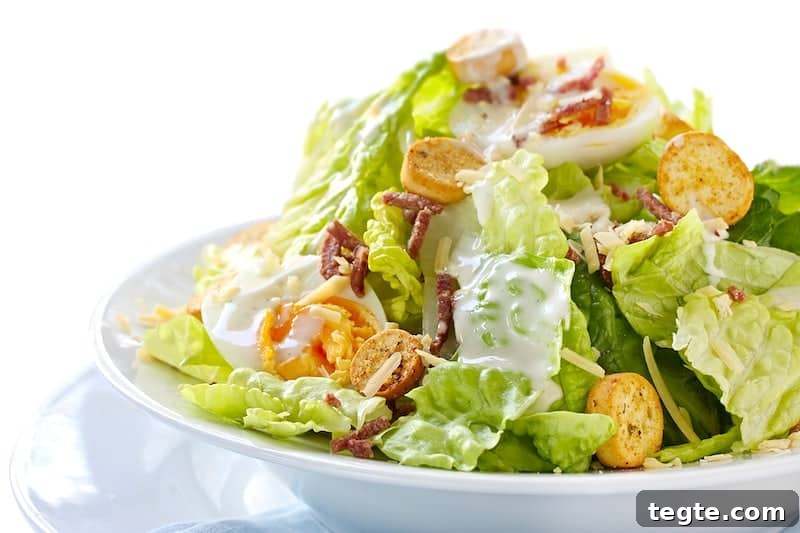
An application error message above does not affect the information below. Salad dressing can and does spoil, but with proper storage and handling you can extend its usable life. This guide explains how long dressings last, how to spot spoilage, and practical tips for storing and making dressings at home.
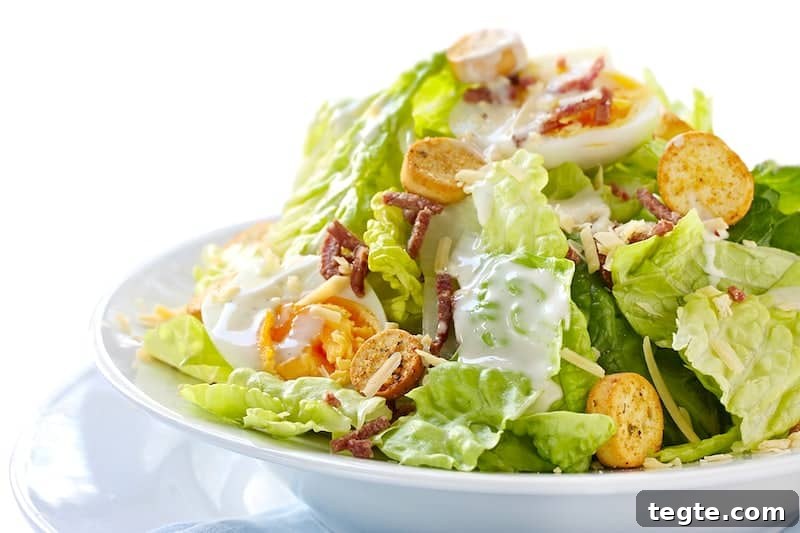
Does salad dressing go bad?
Yes. Both homemade and store-bought salad dressings can go bad. Dressings that contain dairy, eggs, or fresh ingredients spoil faster, while oil-and-vinegar based dressings are more stable but can still deteriorate over time. Never leave dressings at room temperature for more than a few hours; if left out overnight, discard them.
Different dressings use different bases — oil and vinegar, dairy, mayonnaise, or ingredients like cheese and cream — and each has its own shelf life. Understanding the ingredients and how they react to air, light, and temperature will help you keep dressings fresh longer.
How long does salad dressing last?
Once opened, most refrigerated dressings are best used within 7–10 days for optimal flavor and safety, though simple oil-and-vinegar vinaigrettes can last longer when stored properly. If a recipe or label recommends using within three days, follow that guidance. Homemade dressings without preservatives typically last shorter than commercial varieties.
Freezing small portions (for example, in tablespoon-sized amounts) can help preserve flavor and extend shelf life for some dressings, but textures may change after freezing, especially for emulsified or dairy-based dressings.
What causes salad dressing to spoil?
Spoilage results from bacteria, mold, exposure to oxygen, and breakdown of fats (rancidity). Ingredients like sugar, salt, vinegar, and certain spices help slow microbial growth, and some commercial dressings include preservatives. Still, once a bottle is opened it can pick up moisture and airborne contaminants, so refrigeration and clean handling are essential.
Signs a salad dressing has gone bad
- Off or sour smell
- Visible mold
- Separation that won’t re-emulsify (especially in creamy dressings)
- Unpleasant or chemical, bitter taste indicating rancidity
- Cloudiness, discoloration, or a slimy texture
If you notice any of these signs, discard the dressing. When in doubt, throw it out — it’s not worth the risk.
How can you tell if salad dressing is bad?
Check appearance, smell, and taste cautiously. Dairy- or egg-based dressings spoil faster and require refrigeration. Oil-based dressings become rancid when fats oxidize; they develop a sharp chemical odor and bitter taste. Read the label for storage instructions and use-by dates, and always keep opened bottles refrigerated.
Is it safe to eat salad dressing that’s gone bad?
Eating spoiled dressing can cause digestive upset or foodborne illness, especially if it contains egg or dairy. Do not consume dressings that smell off, show mold, or have been left unrefrigerated for extended periods. When a dressing appears questionable, discard it rather than risk illness.
What to do with leftover dressing
If the dressing is still good but you have leftovers, use it creatively:
- As a dip for vegetables or fruit
- On sandwiches and wraps
- Mixed into salads like chicken or potato salad
- As a marinade for meats or fish
- Swirled into mashed potatoes for extra flavor
How to make a simple homemade salad dressing
Basic vinaigrette: 3 parts oil to 1 part vinegar (for example 1 cup olive oil + 1/4 cup balsamic or red wine vinegar), a minced clove of garlic or shallot, 1 teaspoon mustard, and salt and pepper to taste. Shake or whisk until emulsified. Store in the refrigerator and use within a week for best quality.
Tips to prevent salad dressing from going bad
1. Refrigerate promptly
Always refrigerate dressings after opening. Cold slows bacterial growth and fat oxidation. Label containers with the date opened so you can track freshness.
2. Use airtight containers
Keep dressings in tight-sealing bottles or jars to limit exposure to air and light. Dark bottles or storing in a darker section of the fridge helps protect sensitive oils from light damage.
3. Maintain cleanliness
Use clean utensils when scooping or pouring dressing. Avoid double-dipping and keep hands and preparation surfaces clean to reduce contamination.
Storing different types of dressings
Thicker, creamy dressings (mayonnaise, yogurt, or cream based) should always be refrigerated and used within a shorter window — typically 5–7 days if homemade. Light vinaigrettes without dairy can be refrigerated and last longer, but still benefit from being consumed within a couple of weeks. Freezing is possible for some oil-based dressings but texture may change.
Simple Potato Salad (Example Recipe)
This potato salad uses mayonnaise and mustard and pairs well with many dressings.
Ingredients: 2 lb potatoes, ½ cup mayonnaise, 1 tbsp Dijon mustard, ¾ cup celery, ¼ cup shallot, 3 eggs, salt and pepper to taste.
Instructions: Cut and boil potatoes until tender (about 15 minutes). Drain and cool slightly, then mix with mayonnaise, mustard, shallots, celery, chopped eggs, salt, and pepper. Serve warm or chilled. Store leftovers in the refrigerator and consume within 3–4 days.
Final recommendations
Read labels, refrigerate after opening, use clean utensils, and pay attention to smell, appearance, and taste. Homemade dressings should be consumed more quickly than commercial products. If a dressing shows any sign of spoilage, discard it. Proper handling will keep your dressings flavorful and safe to eat.
Related Posts
Mini Air Fried Corn Dogs | Delicious Air Fryer Dim Sims | Nestea Instant Tea? | 26 Delicious Italian Pasta Recipes