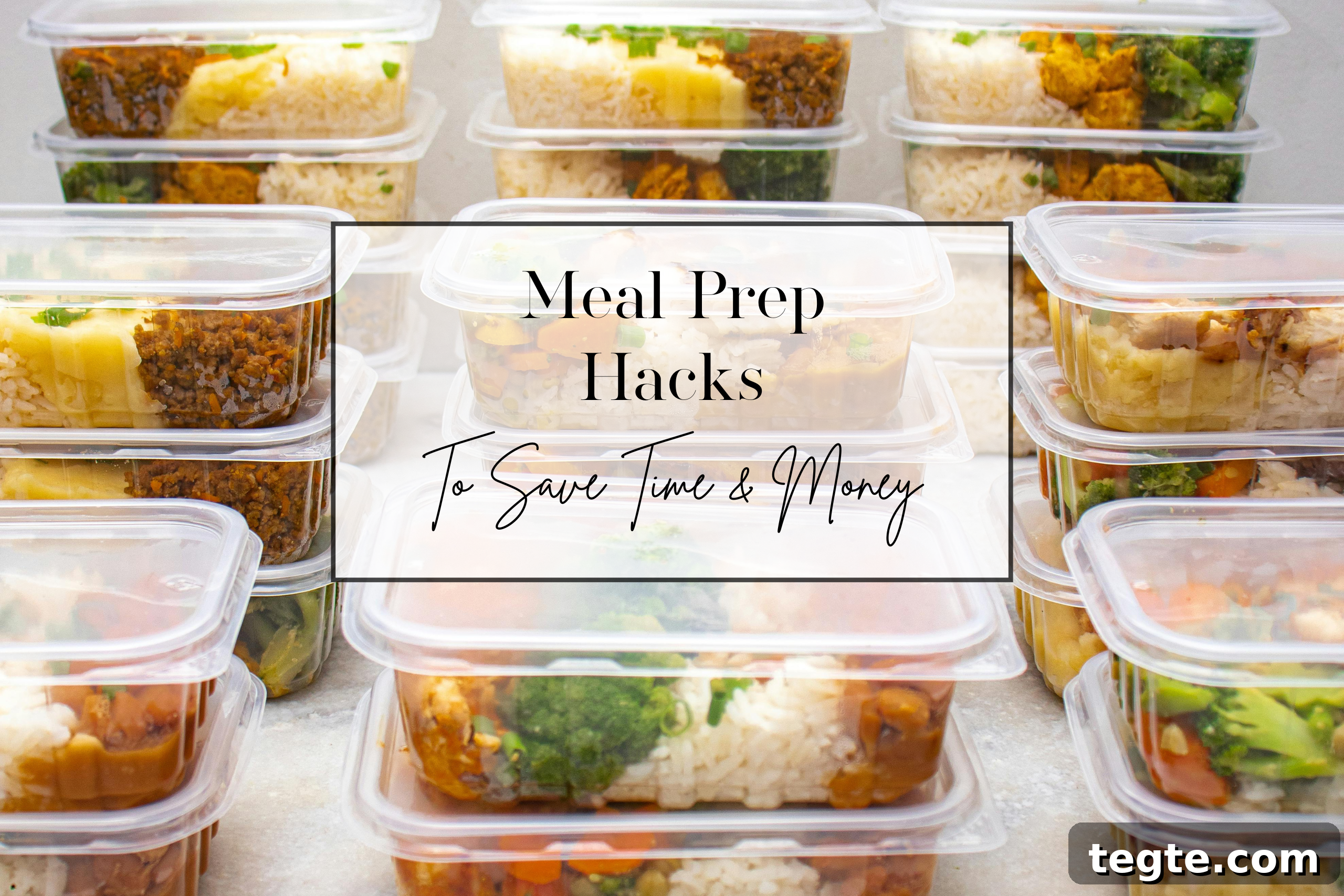
If you want to eat healthier, save on groceries, and remove the daily stress of deciding what’s for dinner, a few smart meal prep strategies can transform your routine. Without the right approach, meal prepping can feel time-consuming or overwhelming. These clear, practical hacks will help you streamline prep, reduce waste, and keep costs down while ensuring meals are nutritious and tasty.
Whether you’re a busy parent, a professional packing lunches, or someone who simply wants easier evenings, these techniques let you plan once and benefit all week. Use them to build a flexible system that fits your tastes and schedule.
This post may contain affiliate links in which I receive a small commission.
Why Meal Prep?
Meal prep helps you prepare healthy meals for several days or an entire week. I rely on meal prep because it:
- Saves time: Prepping ahead reduces daily cooking.
- Saves money: Cuts impulse buys and food waste.
- Encourages healthy eating: Ready ingredients and meals make nutritious choices easier.
- Reduces stress: You don’t need to scramble to decide what’s for dinner.
- Supports fitness goals: Easier portion control and balanced macronutrients.
Time-Saving Meal Prep Hacks
These are some of the most effective meal prep hacks I use to make weeknight meals quick and flexible. They focus on batch work, smart shortcuts, and simple organization so you can eat well with less daily effort.
Cook Once, Eat Twice (or More!)
Batch cooking is a cornerstone of efficient meal prep. Cook larger quantities of proteins, grains, and roasted vegetables, then combine them in different ways throughout the week to avoid repetition and keep meals interesting. For example:
- Roasted sweet potatoes: use in grain bowls, breakfast scrambles, or wraps.
- Shredded rotisserie chicken: toss into salads, tacos, and soups.
- Cooked quinoa: base for salads, stir-fries, and breakfast bowls.
Use Store-Bought Shortcuts Wisely
Convenience items can save time without sacrificing nutrition when you choose wisely. Look for products with minimal preservatives and lower sodium. Helpful shortcuts include:
- Pre-cut vegetables: Dramatically reduce prep time on busy nights.
- Frozen rice and canned beans: Ready in minutes and useful in many dishes.
- Rotisserie chicken: Already cooked and seasoned—ideal for quick meals.
When using convenience items, check ingredient lists and pick the healthiest options you can to preserve flavor and nutrition.
Batch Prep Ingredients, Not Just Full Meals
Prep building-block ingredients—pre-chopped vegetables, marinated proteins, and portioned snacks—so you can mix and match meals all week without assembling everything in advance. This approach prevents boredom while saving time.
- Pre-cut veggies: Use in stir-fries, salads, omelets, and sheet-pan dinners.
- Marinated proteins: Marinate chicken, tofu, or shrimp ahead so they cook quickly and flavorfully.
- Portioned snacks: Pre-portion nuts, yogurt, cheese sticks, or hummus for easy grab-and-go options.
Batching ingredients gives you flexibility to create varied meals from the same prepped items, keeping your routine efficient and interesting.
Invest in the Right Storage Containers
Good storage is essential for keeping prepped food fresh and organized. Choosing the right containers extends shelf life, prevents odor transfer, and saves space.
- Glass containers, mason jars, and BPA-free plastic: Glass is durable, microwave-safe, and doesn’t retain odors. Mason jars are excellent for layered salads and overnight oats. BPA-free plastics are lighter for transport.
- Stackable containers: Uniform, stackable sizes maximize fridge space and make it easy to see what you have.
- Vacuum-sealed bags and airtight lids: Great for longer freezer storage to prevent freezer burn.
- Silicone storage bags: Reusable and space-efficient for freezing portions.
The right containers help your meals stay fresher longer and make meal retrieval faster when hunger strikes.
Have a “Lazy Meal” Option
Keep a few ultra-simple meals stocked for evenings you don’t want to cook. Examples:
- Protein smoothie with banana, nut butter, and chia seeds
- Whole grain wraps with hummus and fresh veggies
- Canned tuna with avocado and rice cakes
- Frozen stir-fry veggies with pre-cooked quinoa and roast chicken
- Greek yogurt with granola and berries
My Favorite Meal Prep Tools
Glass meal prep containers
Instant Pot & slow cooker
Mason jars
Air fryer
Make Use of Kitchen Gadgets
A few reliable appliances speed up prep and reduce active cooking time. Useful tools include:
- Slow cooker or Instant Pot: Set-and-forget cooking for soups, stews, and braises.
- Air fryer: Fast roasting of vegetables and proteins with little oil.
- Food processor: Quick chopping, slicing, and shredding to cut down prep time.
Budget-Friendly Meal Prep Tips
Healthy eating can be affordable with intentional planning. Use these strategies to stretch groceries and reduce waste without sacrificing variety.
Buy in Bulk & Freeze Portions
Buying staples in larger quantities and portioning them for the freezer saves money and prevents waste. Divide bulk items into meal-sized portions for convenience.
Plan Meals Around Sales & Seasonal Produce
Base your meal plan on discounted proteins and seasonal vegetables. Farmers’ markets and store sales often provide the best value for fresh produce.
Minimize Food Waste
Repurpose leftovers—toss roasted veggies into omelets, blend wilting greens into smoothies, or freeze portions for later. Proper storage (herbs in water, berries with a paper towel) extends freshness.
Stick to Simple, Versatile Ingredients
Choose ingredients that work across multiple dishes. For example, chicken, rice, and beans can become burrito bowls, stir-fries, or salads. A few versatile spices and sauces create different flavor profiles with the same base ingredients.
DIY Your Convenience Foods
Making your own convenient items is usually cheaper and healthier than buying pre-packaged versions. Ideas include:
- Homemade freezer burritos or breakfast sandwiches
- Custom trail mix with bulk nuts, seeds, and dried fruit
- Portioned snacks like hummus, cottage cheese, or nuts in reusable containers
Simple Meal Prep Plan for Beginners
A straightforward plan removes guesswork. Start with these basics:
Breakfast (Prep 3-4 days ahead)
- Overnight oats with fruit and nuts
- Egg muffins packed with vegetables
- Greek yogurt with honey and granola
Lunch/Dinner (Mix & Match Components)
- Protein: Chicken, tofu, beans, or fish
- Carb: Quinoa, sweet potatoes, or whole wheat pasta
- Veggies: Roasted Brussels sprouts, bell peppers, or spinach
- Healthy fats: Avocado, nuts, olive oil, or tahini dressing
Snacks
- Hummus with sliced cucumbers and carrots
- Hard-boiled eggs with everything bagel seasoning
- Cottage cheese with pineapple
- Apple slices with almond butter
- Roasted chickpeas seasoned with sea salt and paprika
Common Meal Prep Mistakes to Avoid
Avoid these pitfalls to keep meal prep manageable and effective:
- Prepping too many meals at once: Food may spoil before you eat it. Stick to 3–4 days at a time.
- Not storing food properly: Use airtight containers, label items, and refrigerate or freeze perishables promptly.
- Lack of variety: Rotate meals and experiment with new seasonings to prevent boredom.
- Skipping seasoning: Herbs, spices, and healthy sauces make simple meals enjoyable.
FAQs
Store chopped vegetables in airtight containers with a paper towel to absorb excess moisture. Keep leafy greens in a produce drawer or a container with a breathable lid to maintain crispness.
There’s no single best day—pick what fits your schedule. Many people prep on Sunday when they have more time, but any day that works for you is fine.
Start small: prep 2–3 meals ahead and expand as you get comfortable. Over time you’ll discover a rhythm that suits your life. Simple changes add up—meal prepping can significantly reduce stress, save money, and help you eat better.
What’s your favorite meal prep hack? Share it in the comments!
Follow for more healthy recipes, workouts, and family-friendly meal ideas.